


Across the Trnovo Plateau to the Goriška Region – full-day trip
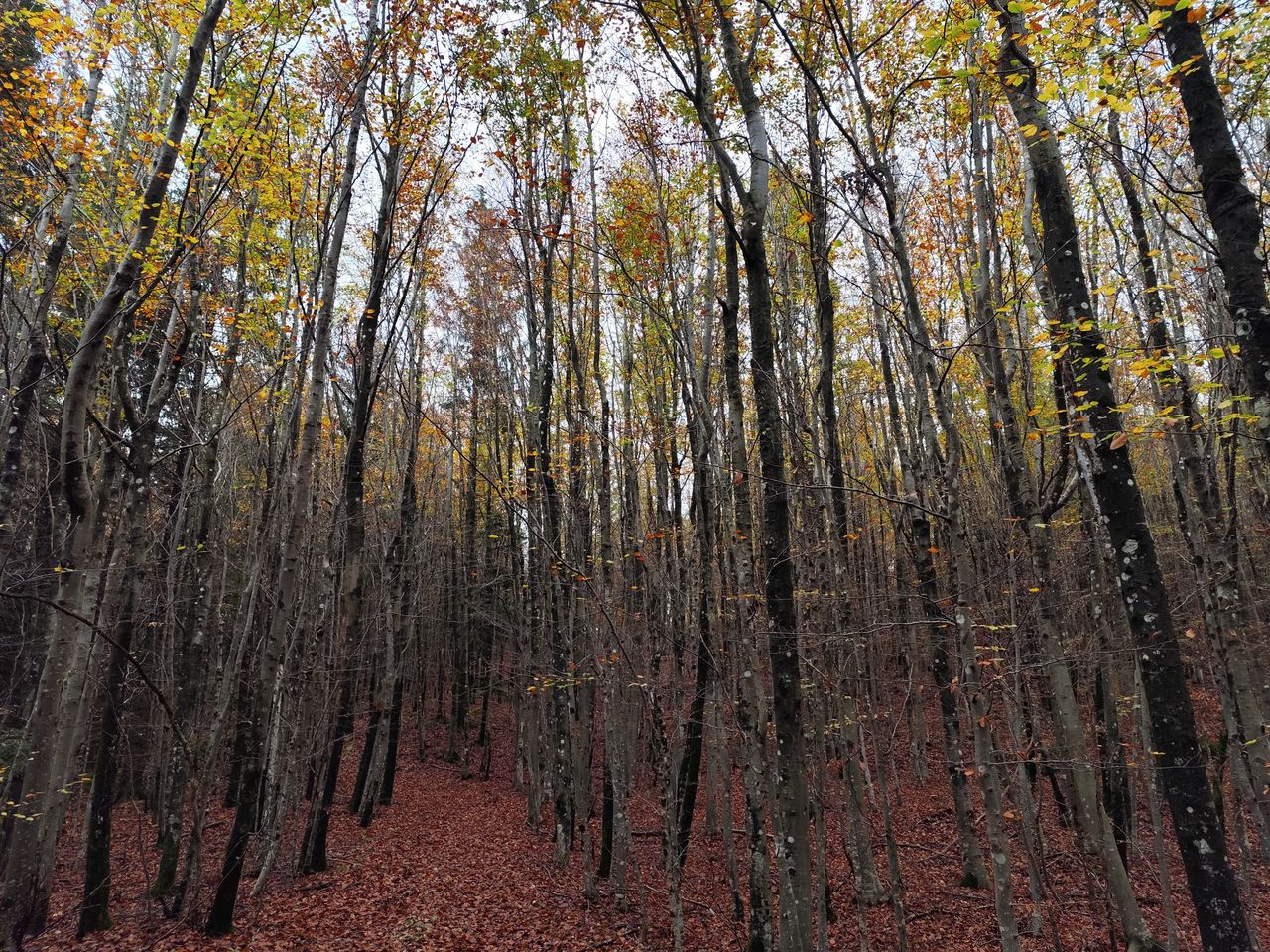
Most people travelling from Ljubljana to Nova Gorica take the motorway. We will take a different route – to where the burja wind is born, through one of the least populated areas of Slovenia.
We travel past Roman fortifications, ice caves and spectacular viewpoints, discovering the unusual stories of the Trnovo Plateau – from former glassmakers and the ice trade to life on the plateau and popular resistance against the occupying forces.
Our route takes us along the extreme north-western edge of the Dinaric Alps, one of Europe’s least-known major mountain ranges, which continues from here across the western Balkans all the way to Albania. Far better known than the mountain range as a whole is one of its smaller areas – the Karst (Kras), which gave its name to karst phenomena around the world.
The Trnovo Plateau is also a major natural and climatic barrier. Cold continental air spills over its edge towards the warmer Vipava Valley and rushes down the slopes as the powerful burja wind.
The programme is adapted to the group, weather, season and level of physical fitness, but the basic route always takes us across Hrušica and the Trnovo Plateau towards the Goriška region.
From Roman Fortifications to the Edge of the Trnovo Plateau
Our first stop is Hrušica, where the fortress of Ad Pirum once stood along the Roman road connecting Emona and Aquileia. The Romans built it in the second half of the 3rd century as one of the key strongholds of the Claustra Alpium Iuliarum defensive system, which protected the routes leading towards the heart of the Empire.
We continue through Col, whose name still recalls the former border between Carniola and the Goriška region. It derives from the German word Zoll – toll or customs duty.
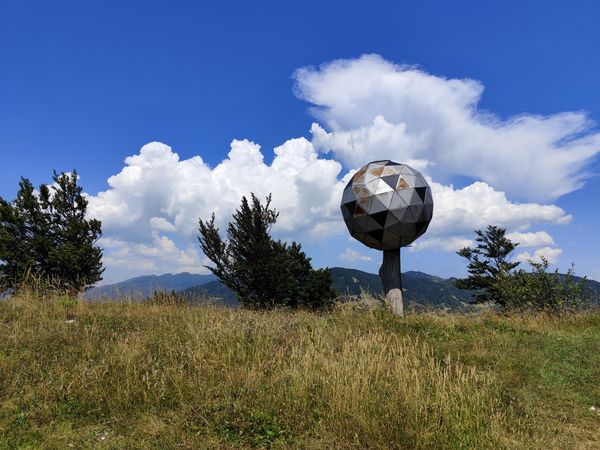
From here, we ascend to Sinji Vrh, offering one of the finest views over the Vipava Valley and the wider Goriška region, all the way to the sea. By arrangement, the visit can also include a tasting of boutique Golden Ring Cheese, aged deep underground in former military tunnels.
The Karst Landscape: Otlica Natural Window and Paradana
On the Trnovo Plateau, depending on the group and conditions, we can choose between two main natural sites; a longer programme can include both.
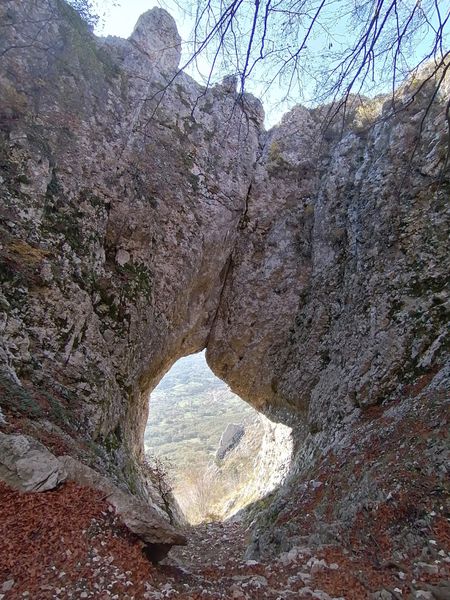
Otlica Natural Window is a natural rock window high above Ajdovščina. It can be reached by an easy 20-minute walk. From the edge of the plateau, the view extends across the Vipava Valley towards the Goriška region and the Friulian Plain. The entire walk takes approximately one hour.
The other option is the Great Ice Cave in Paradana, one of the most fascinating examples of temperature inversion. As we descend towards the entrance to the cave, the temperature drops and the vegetation changes with it. Natural ice was once extracted from the cave and transported to Trieste, where it was used to refrigerate food on long journeys across the Mediterranean, including as far as Egypt. The entire walk takes around 45 minutes. Please note: there is a risk of slipping during the descent.
Lokve – Life in the Heart of the Trnovo Forest
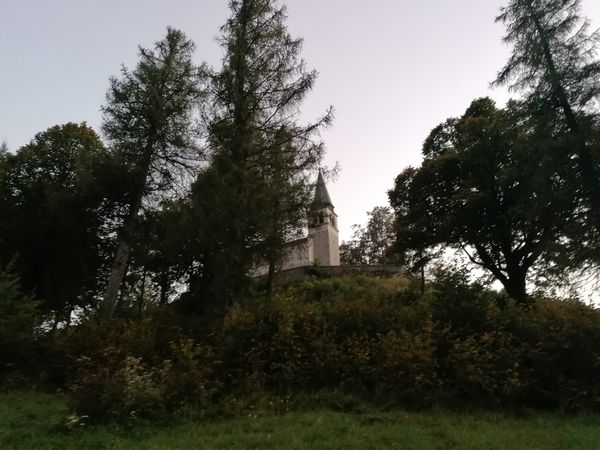
In the middle of the Trnovo Forest lies Lokve, a village at 956 metres above sea level. From the 1960s onwards, it developed as a skiing and excursion destination for Nova Gorica. After a period of decline, the village has begun to come back to life in recent years.
The village is home to the developing Wood&Stone open-air sculpture collection, while the small museum of wooden bucket-making can also be visited by prior arrangement. We also discover the story of the glassmakers – glassblowers who settled in the middle of the Trnovo Forest in the 18th and 19th centuries and produced glass that became renowned far beyond the local area.
Depending on availability, we also stop for lunch in Lokve. If no restaurant is open on the day of the excursion, lunch is arranged at another point along the route.
Trnovo and the Descent to Nova Gorica
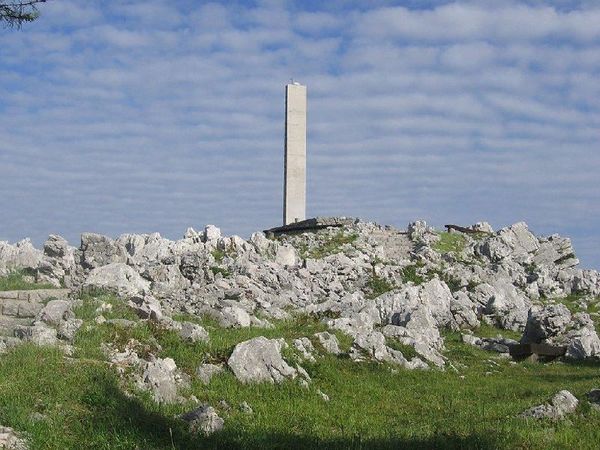
We then stop in Trnovo near Nova Gorica, at the monument and collective tomb of the fighters of the IX Corps, the principal Partisan formation in this area. Its units took part in the liberation of Gorizia, Trieste and Cividale in May 1945. The monumental memorial was designed by architect Edvard Ravnikar, who a few years later also drew up the original urban plan for Nova Gorica.
We then visit the Zalesnik chasm, one of the largest post-war mass graves in the Goriška region, which also confronts us with the difficult question of post-war violence. After the end of the Second World War, a large number of people were thrown into the chasm, including people deported from Gorizia in May 1945; the exact number of victims remains unknown.
From the plateau, we descend into the valley, where our first stop is the Solkan Bridge, which spans the Soča River with the largest stone arch in the world. We then conclude the excursion at Europe Square / Piazza della Transalpina, a square shared by Nova Gorica and Gorizia – and by Slovenia and Italy – as the state border runs directly across it.
From here, we can also look towards Mount Sabotin, a hill that is itself divided between two countries. On the Slovenian side, the enormous stone inscription TITO is still visible, while on the Italian side, lights in the colours of the Italian flag illuminate the former military barracks at night – two very different symbols on the same border mountain, at the extreme north-western edge of the Dinaric world.

Practical Information
The tour is led by Blaž P. Kosovel, researcher, cultural worker and author of the guidebook Nova Gorica – A New City on the Border and the Digital Archive of Nova Gorica that you are currently exploring.
Duration: full-day excursion, approximately 8 hours, or adapted to the group’s availability
Walking: shorter walks and easy hiking sections. The amount of walking is adapted to the group and the selected programme.
Price for guiding and excursion organisation: from €350, depending on group size, programme and specific preferences
Additional costs: transport and lunch
More about the guide and author of the excursion
Contact:
Blaž P. Kosovel
phone: +386 41 521 268