


Nowa Huta
©Photo: Blaž Kosovel
1 / 19
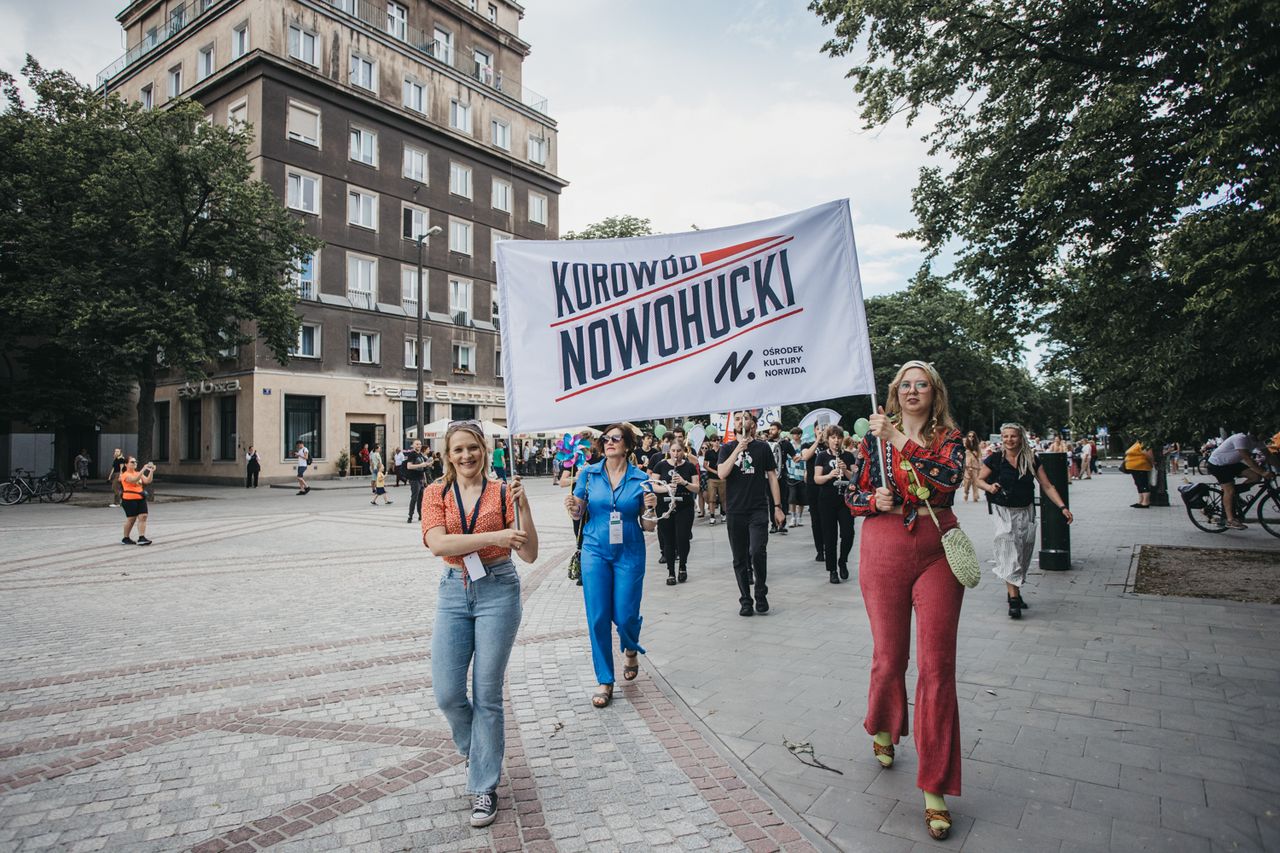
The Nowa Huta Procession on Roses Avenue, 2024 ©Photo: Grzegorz Mart, Ośrodek Kultury Norwida
2 / 19
©Photo: Blaž Kosovel
3 / 19
©Photo: Blaž Kosovel
4 / 19
©Photo: Blaž Kosovel
5 / 19
©Photo: Blaž Kosovel
6 / 19
©Photo: Blaž Kosovel
7 / 19
©Photo: Blaž Kosovel
8 / 19
©Photo: Blaž Kosovel
9 / 19
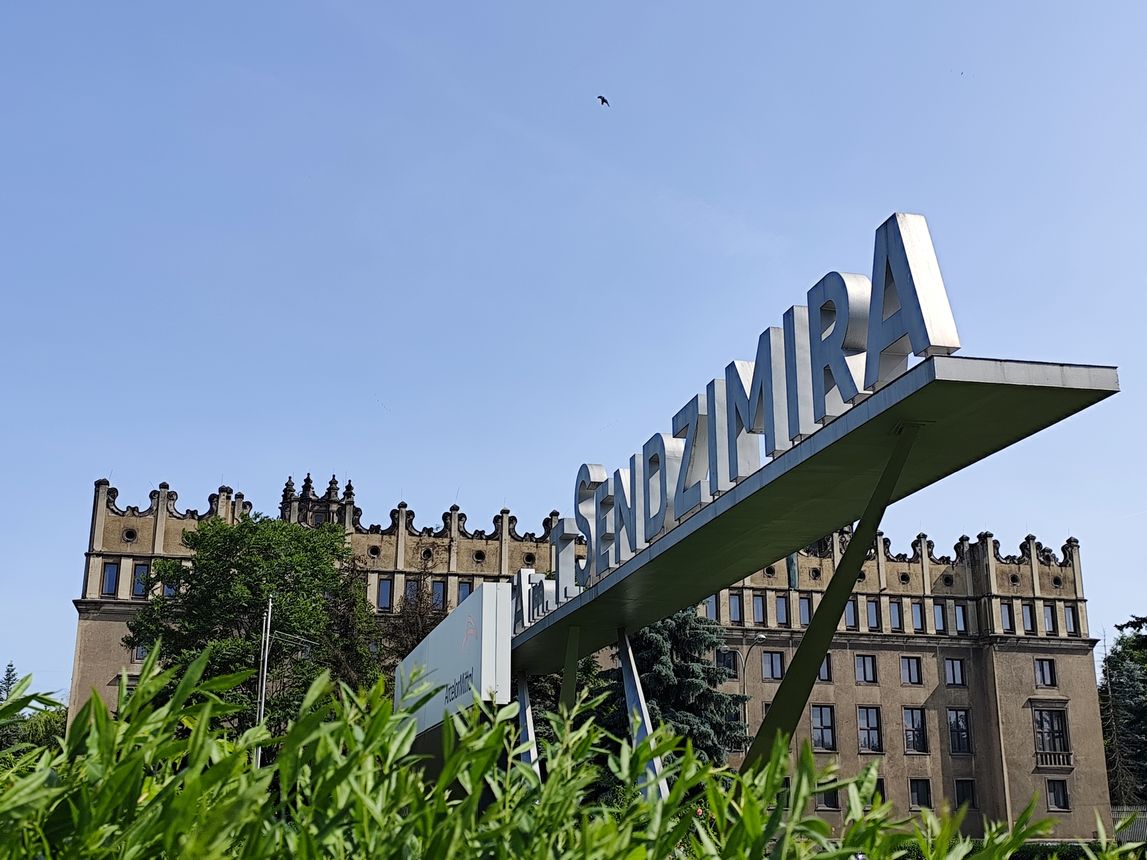
Entrance to the former steelworks factory. ©Photo: Blaž Kosovel
10 / 19
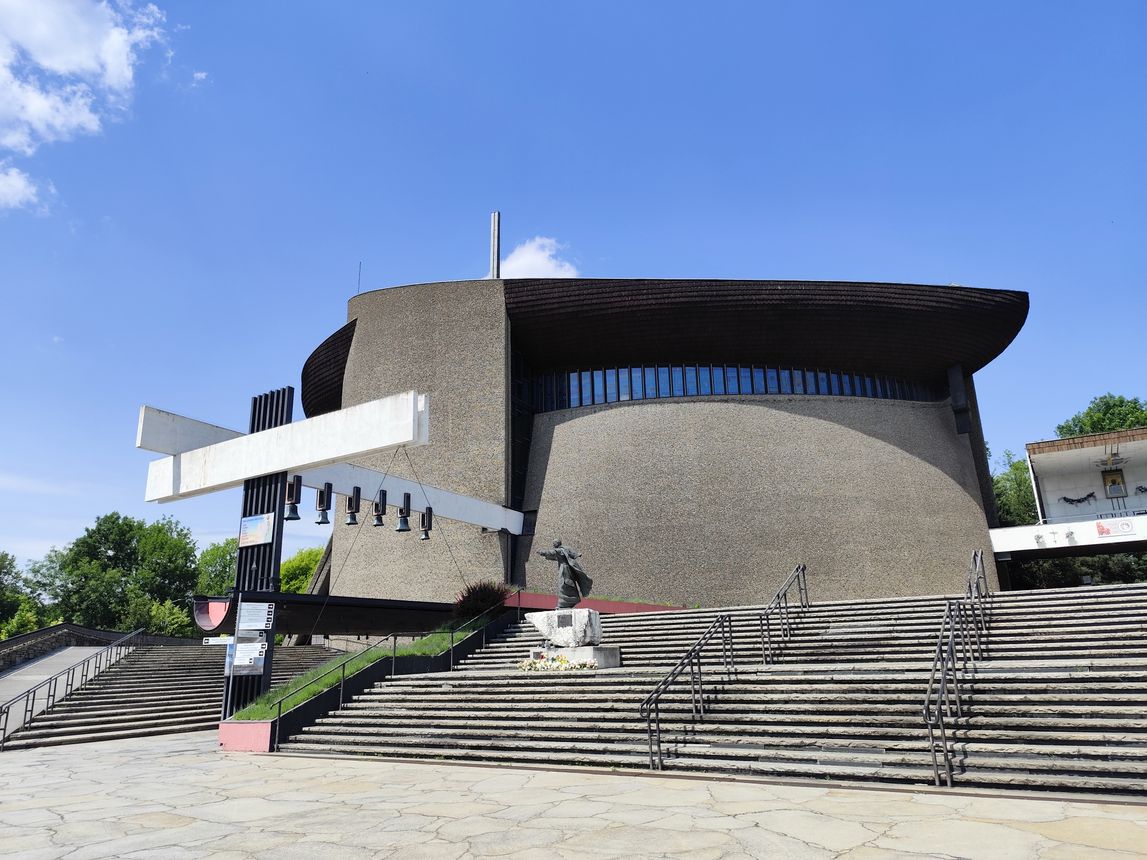
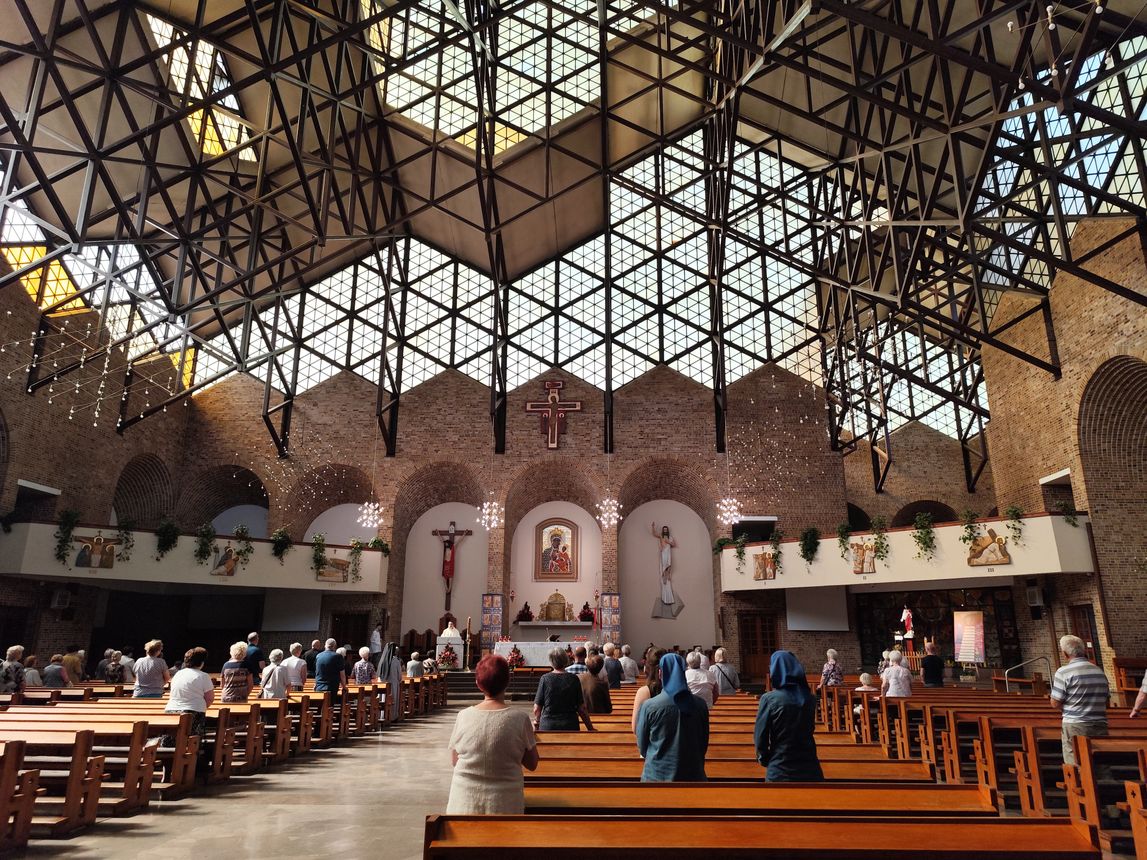
The Ark of Lord Church, consecrated 1977 by then metropolitan bishop Karol Wojtyla. ©Photo: Blaž Kosovel
11 / 19
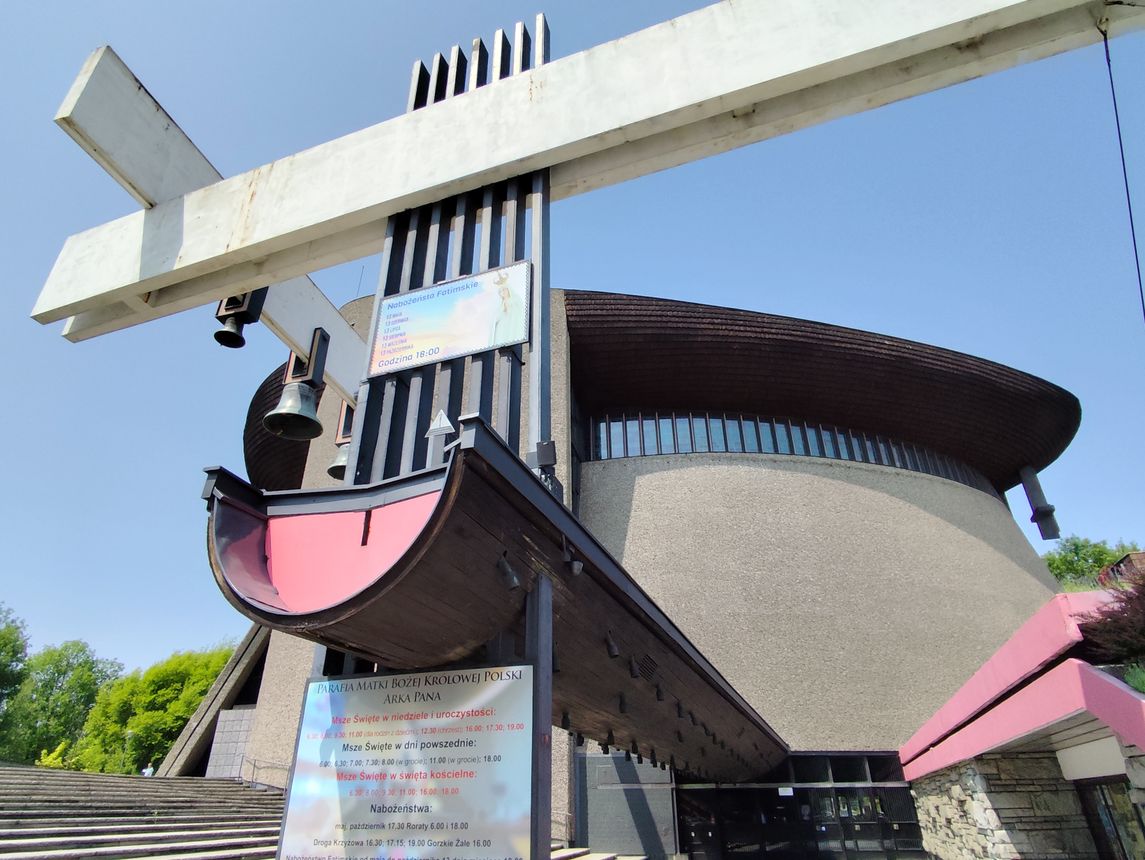
The Ark of Lord Church, consecrated 1977 by then metropolitan bishop Karol Wojtyla. ©Photo: Blaž Kosovel
12 / 19
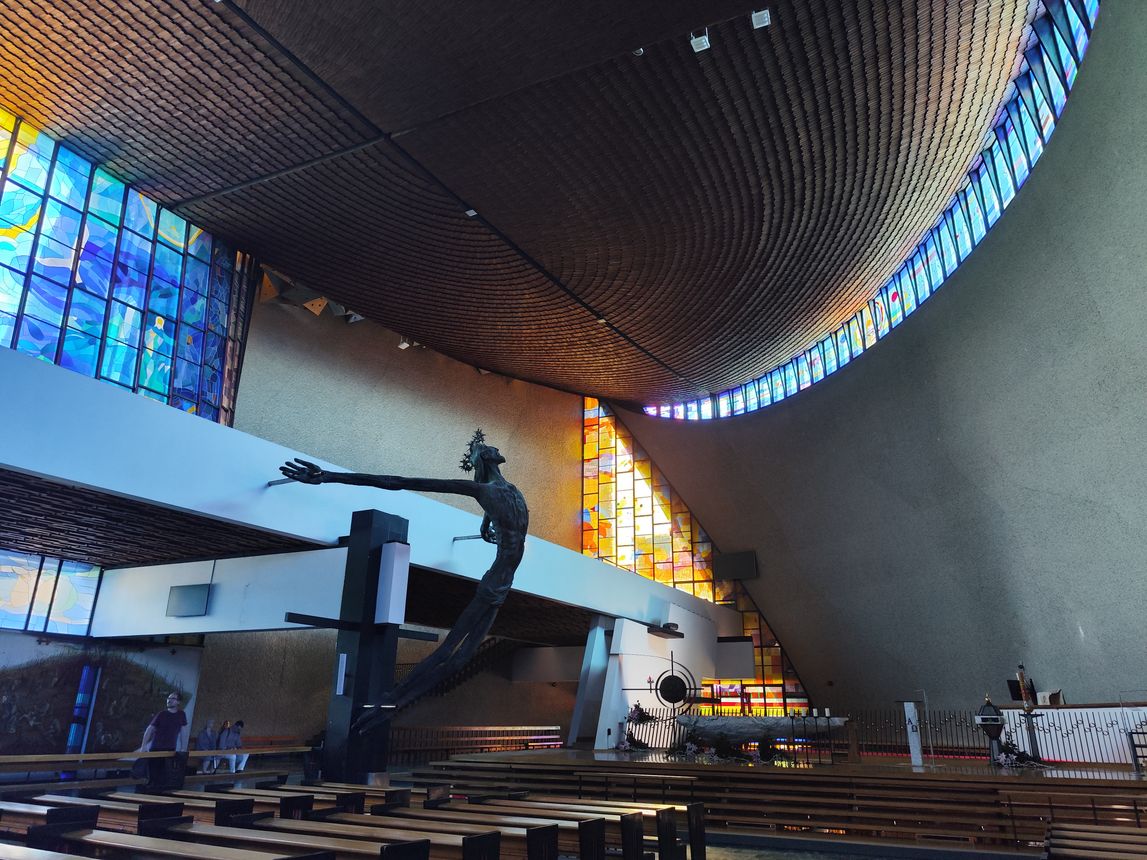
The Ark of Lord Church, consecrated 1977 by then metropolitan bishop Karol Wojtyla. ©Photo: Blaž Kosovel
13 / 19
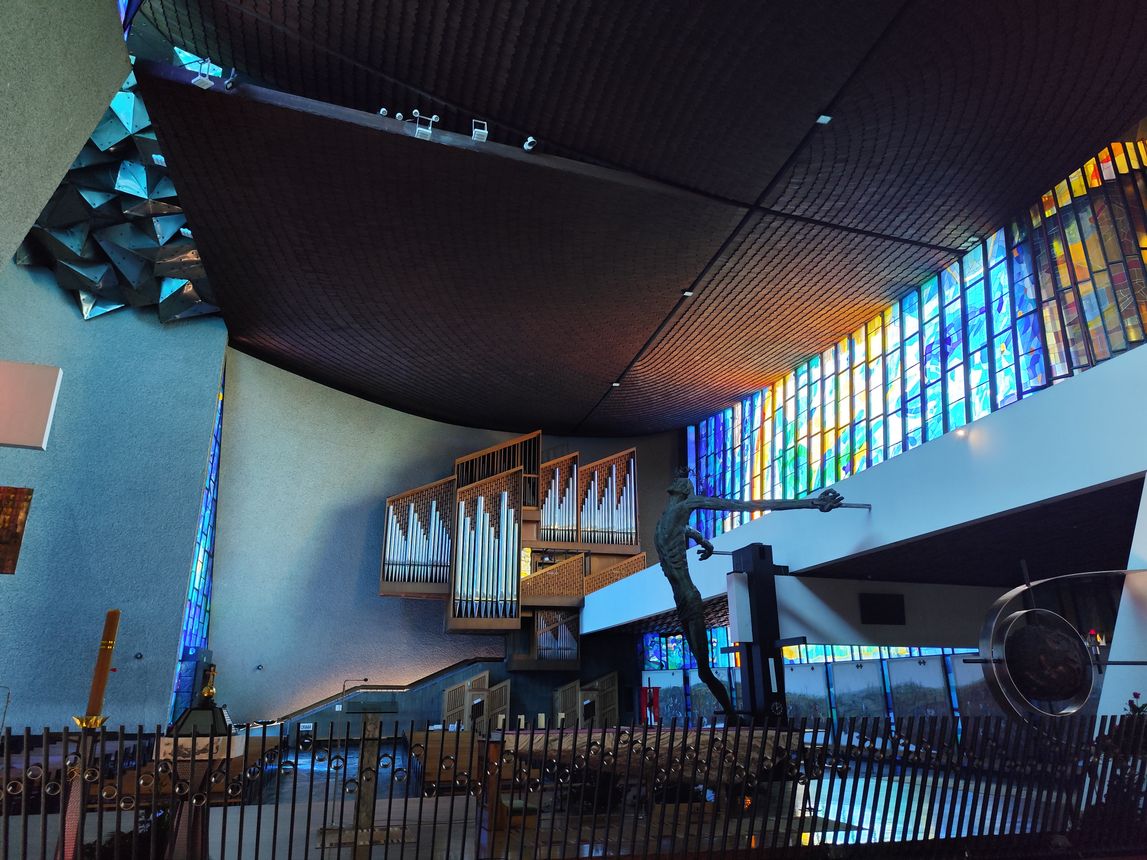
The Ark of Lord Church, consecrated 1977 by then metropolitan bishop Karol Wojtyla. ©Photo: Blaž Kosovel
14 / 19
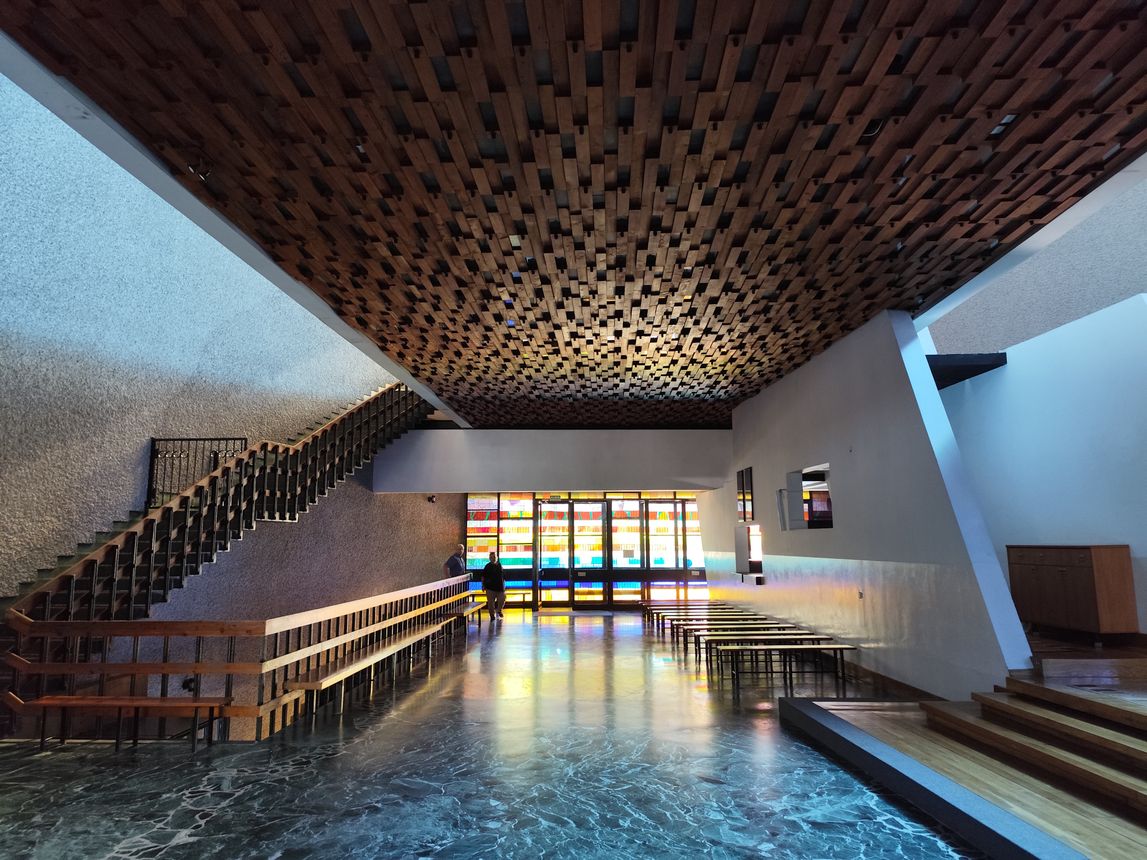
The Ark of Lord Church, consecrated 1977. ©Photo: Blaž Kosovel
15 / 19
©Photo: Blaž Kosovel
16 / 19
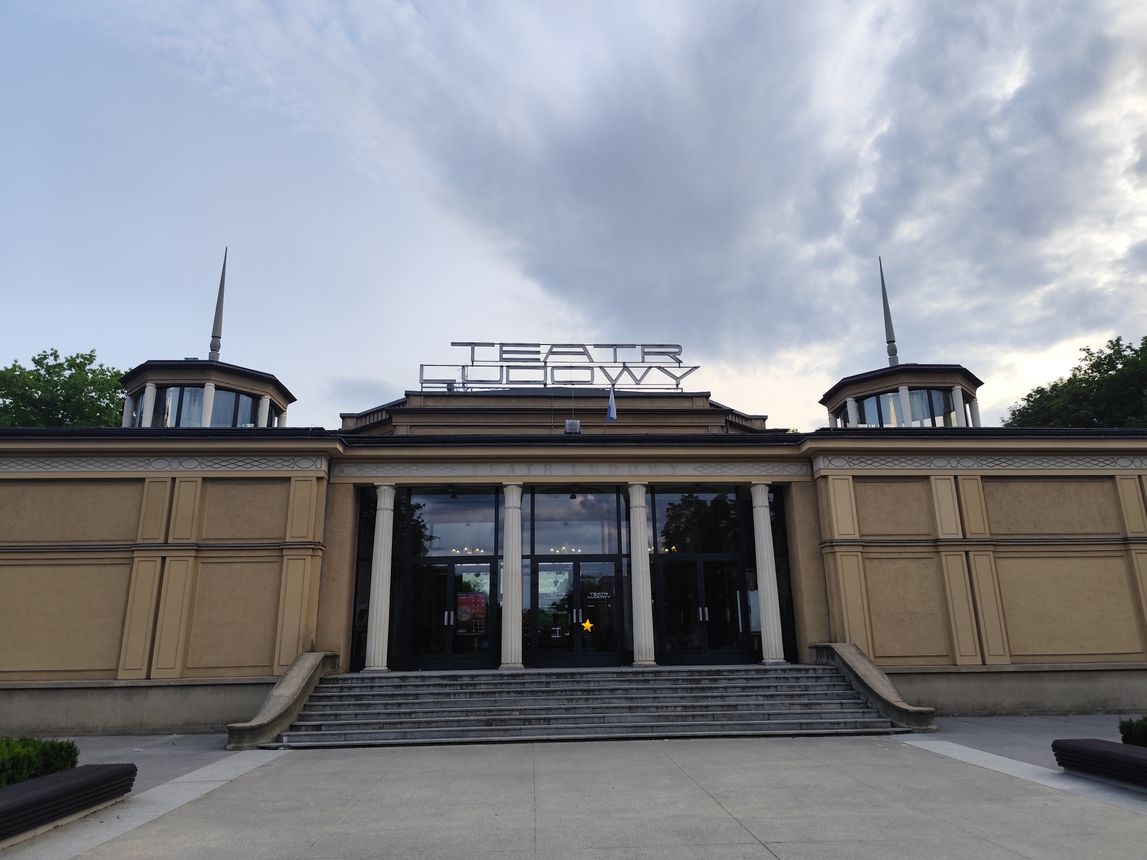
©Photo: Blaž Kosovel
17 / 19
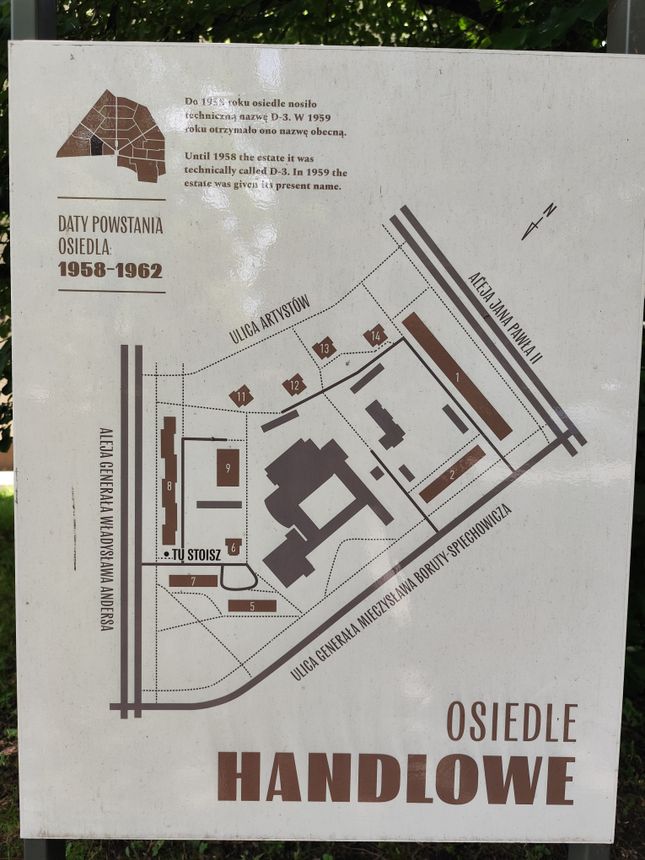
©Photo: Blaž Kosovel
18 / 19
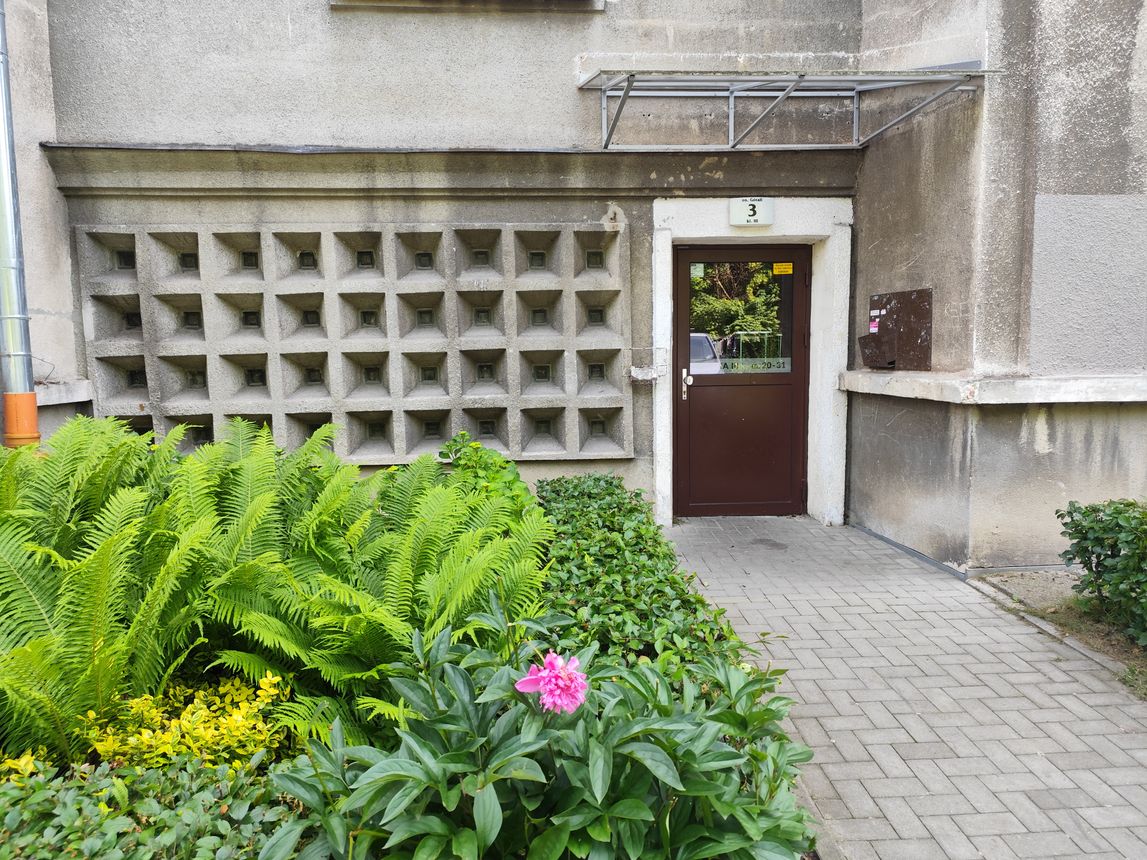
©Photo: Blaž Kosovel
19 / 19
Country: Poland
Year of establishment: 1949
Planned population: 100,000
Current population: approx. 190,000
Purpose (why the city was founded): for the workers of the newly built steelworks
Distinguishing feature (motto, peculiarity, etc.): garden city, neighborhood unit, ideal city
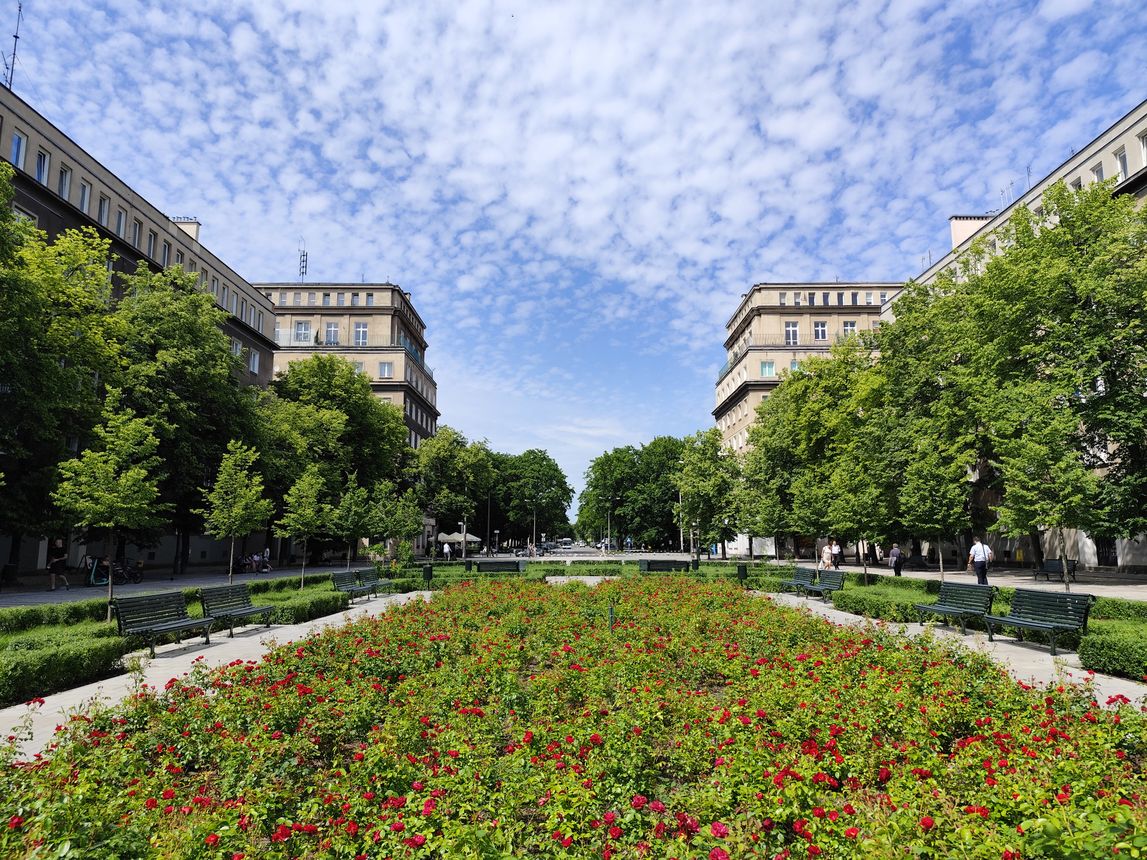
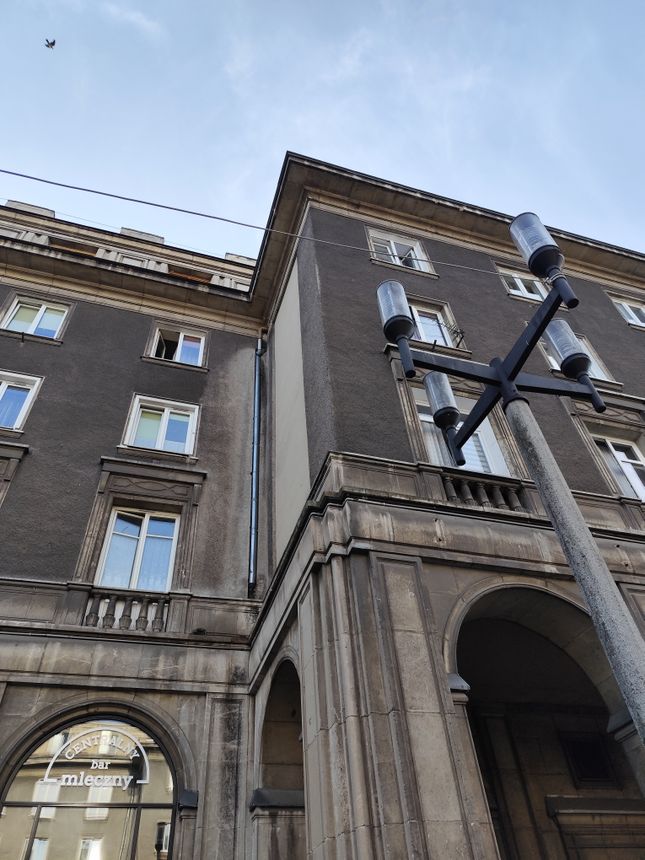
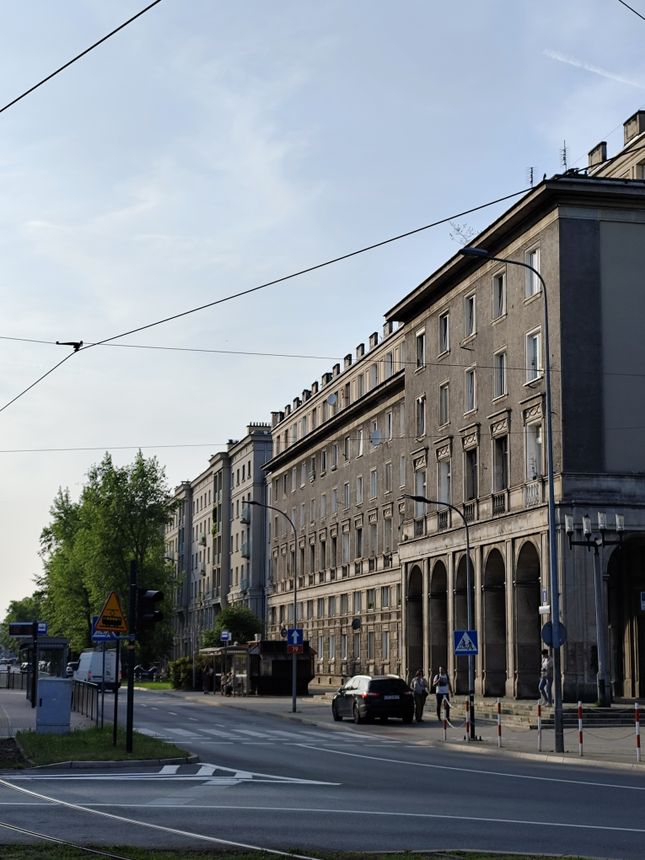
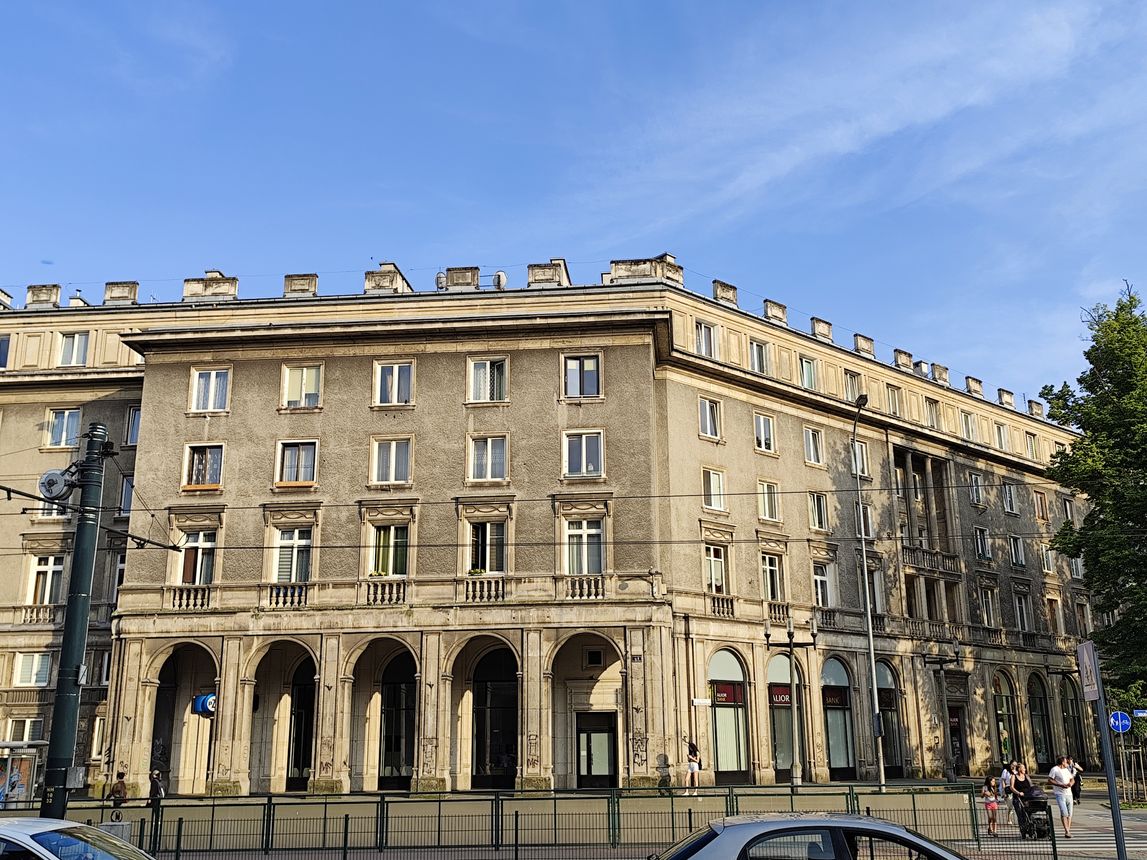
Built in 1949 on Kraków’s eastern edge, Nowa Huta was designed as a model socialist city centred on the Lenin Steelworks—an urban vision of modernity, labour, and equality. Its monumental avenues, grand squares, and green courtyards embodied post-war ideals of order and progress. Over time, faith, protest, and everyday life reshaped its meaning. As industry declined, its vast parks and open spaces gained new appeal, turning Nowa Huta into one of Kraków’s greenest and increasingly popular districts among younger generations.
Avtor: New Towns New Narratives Network
Kraj: Nowa Huta

