


Spijkenisse

Country: The Netherlands
Year founded: 1231 as a small fishing and farming village, 1970s as a New Town
Planned population: around 90.000 inhabitants
Current population: around 73.000 inhabitants
Purpose (why the city was founded): originally planned as a suburban commuter city
Special feature (motto, peculiarity, etc.): Known for its real-life 'Euro bridges' based on euro banknote designs
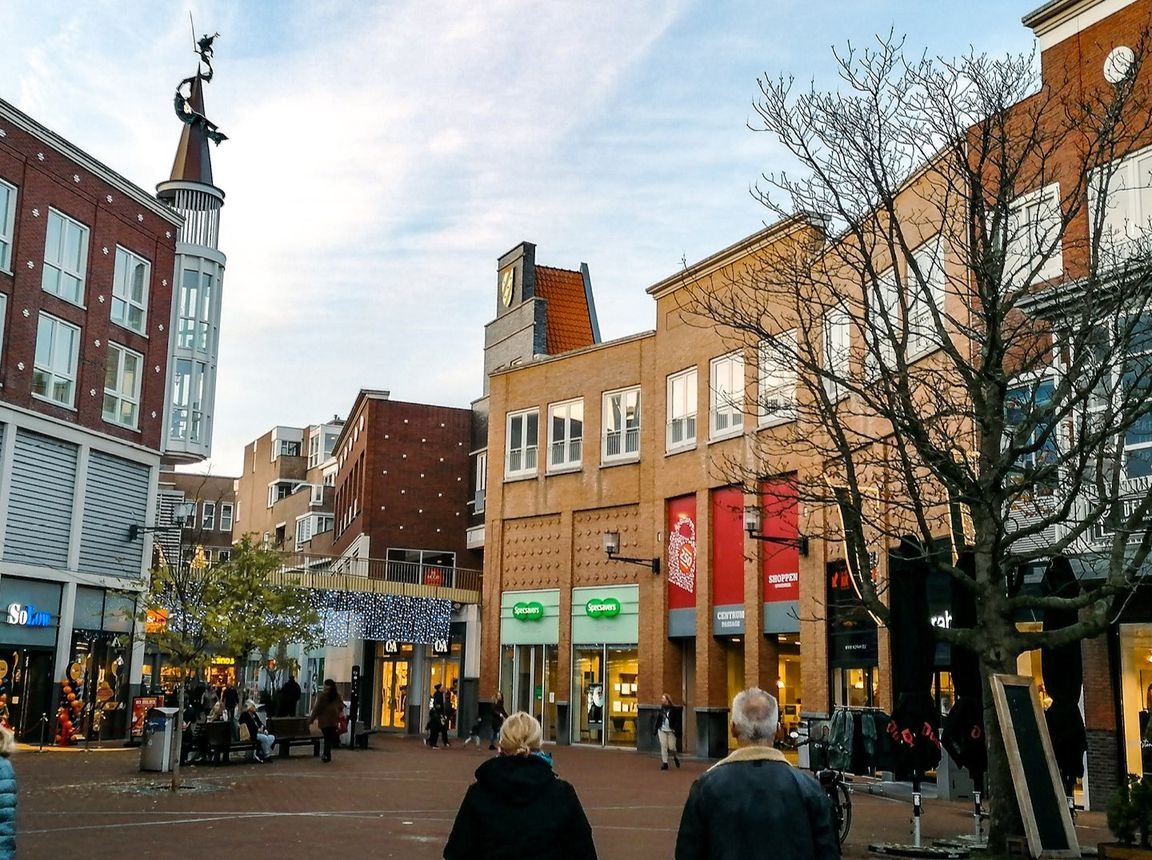
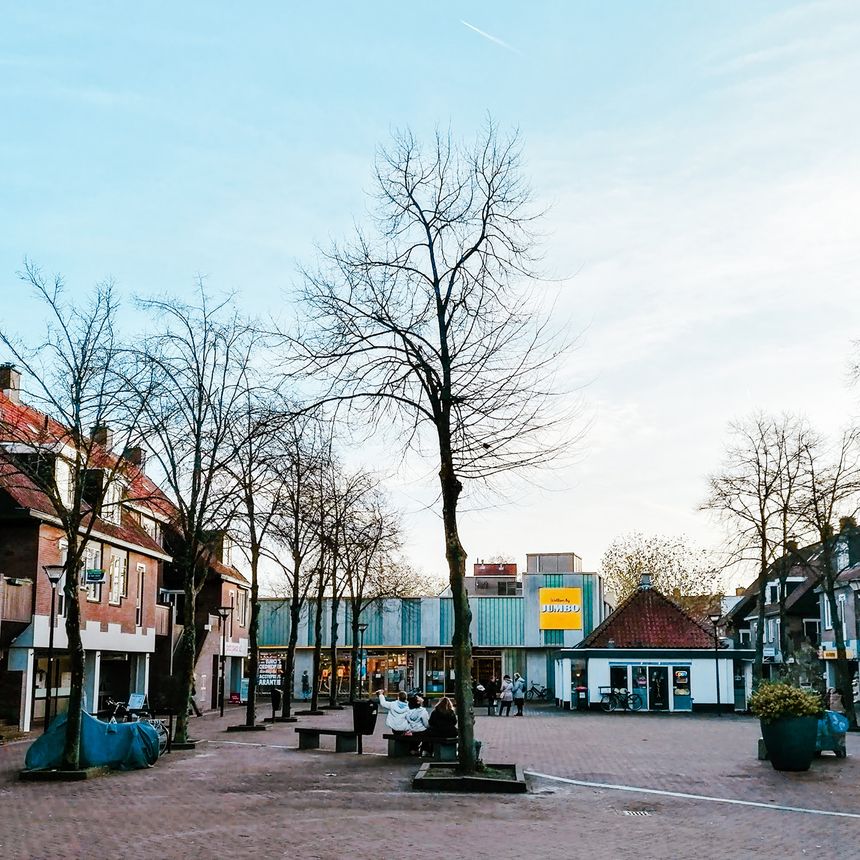
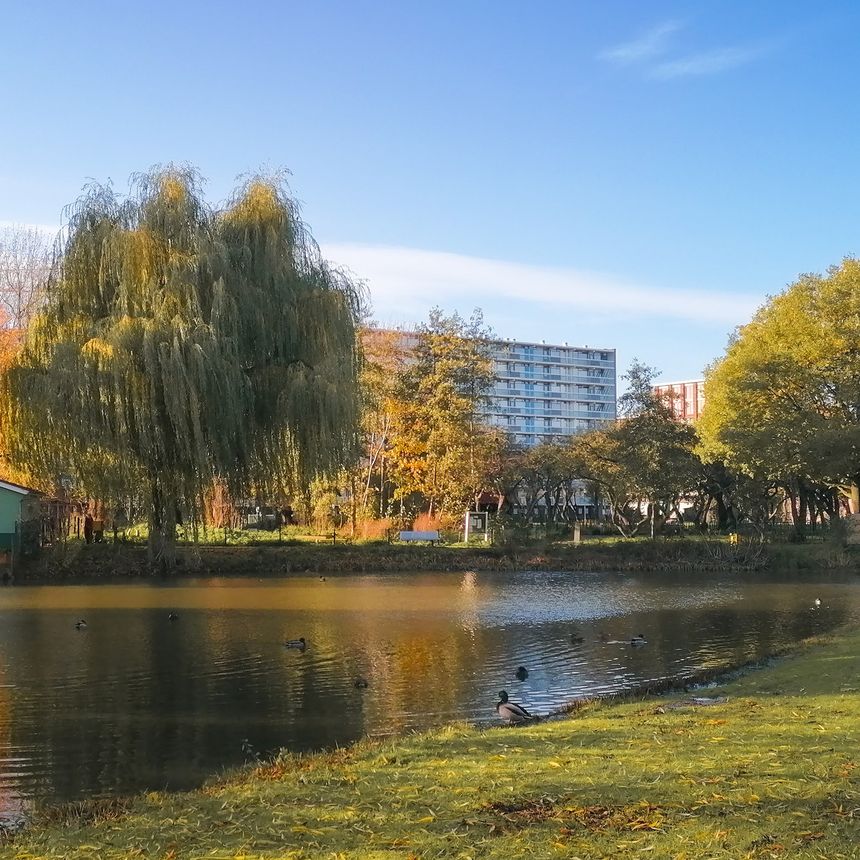
Once a small fishing and farming village, Spijkenisse was transformed in the 1970s into a New Town near Europe’s largest port, Rotterdam, to house its expanding industrial workforce. Built on modernist ideals of greenery and affordable living, it grew rapidly to nearly 70,000 residents. As Rotterdam’s post-industrial revival and gentrification since the 2000s pushed lower-income families outward, many settled here. Today, Spijkenisse faces the task of renewing its ageing housing and green spaces while strengthening community ties and reducing dependence on the port city.
Avtor: New Towns New Narratives Network
Kraj: Spijkenisse

