


Why is Nova Gorica called the “town of roses”?
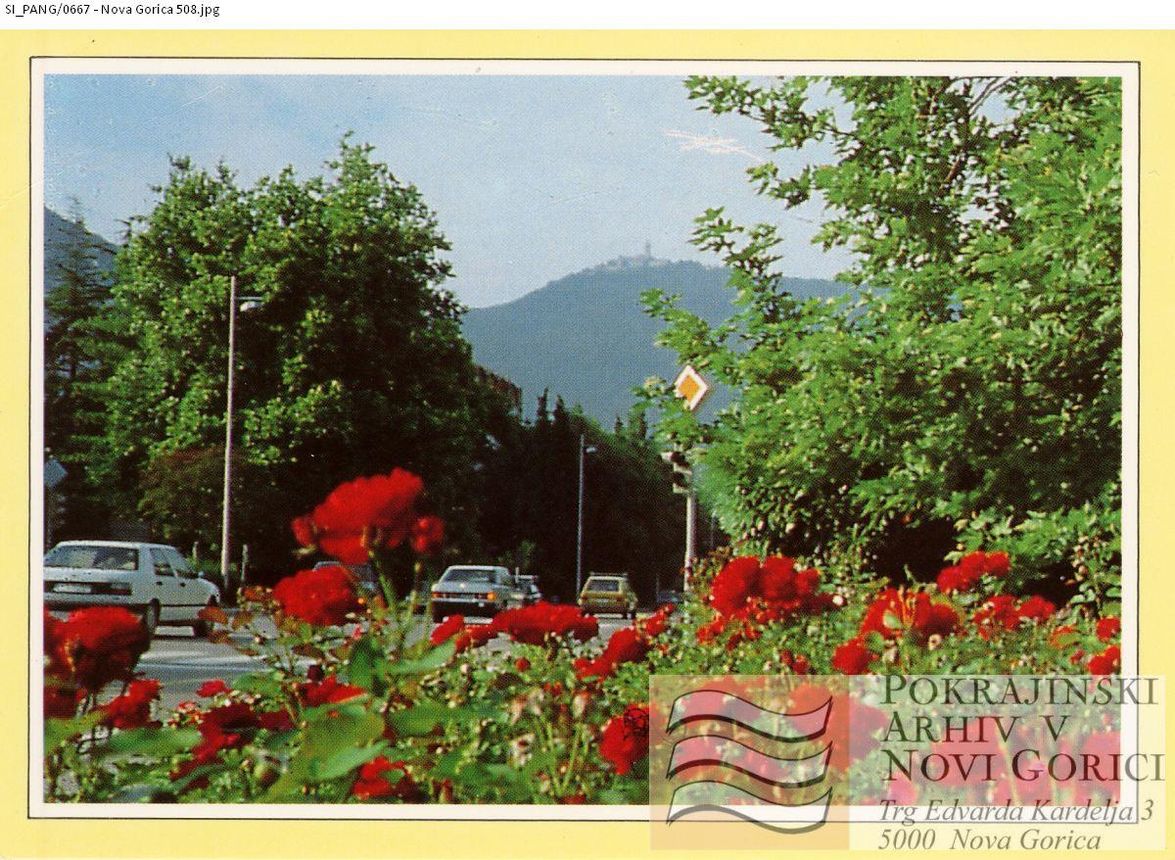
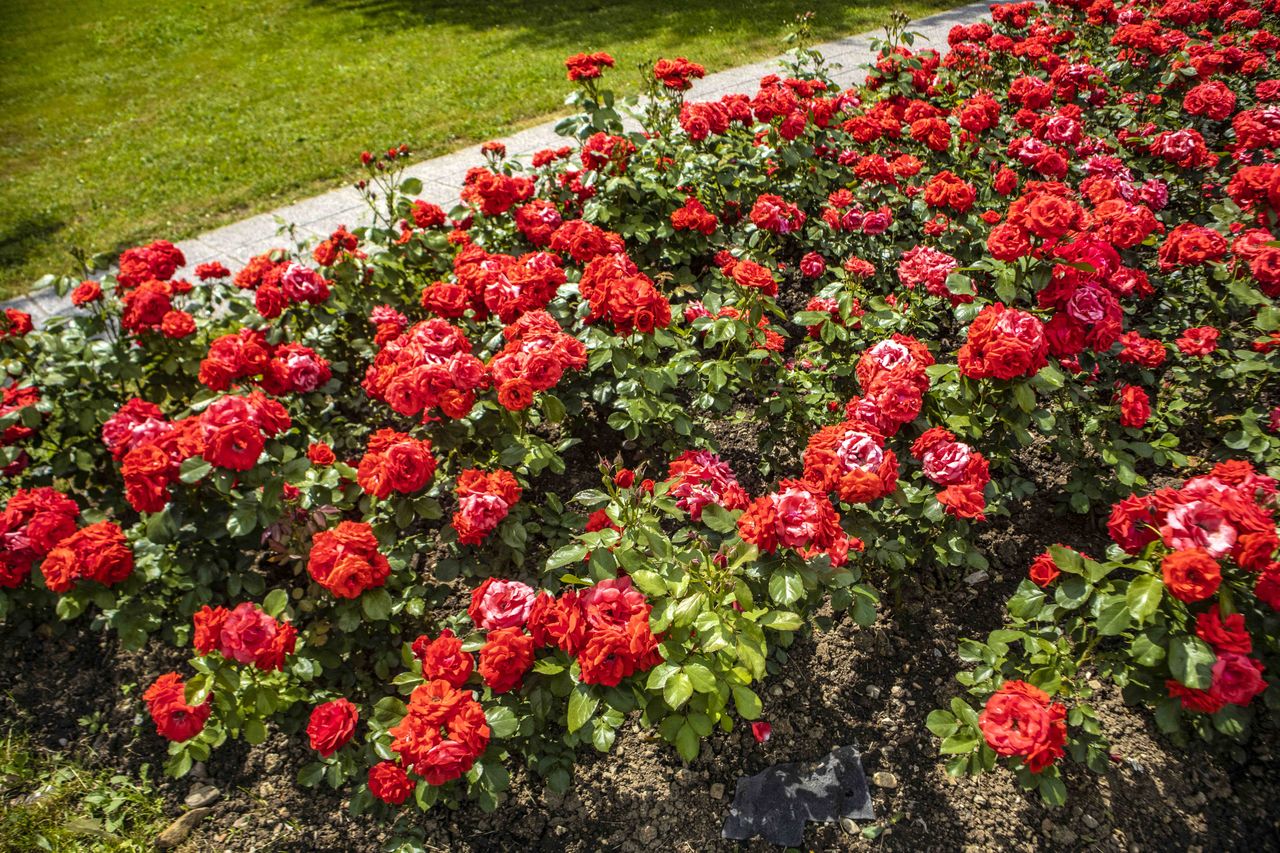
“The rose? I like it. A flower is a beautiful thing. Why not? It just happened to be a red rose. And we were all happy with it. They (the politicians) were, and so was I. A red flower stands for passion and love. That is all fine, although I would like to see more rose plantings.”
(Interview, October 2022)
Nova Gorica is known as the City of Roses, a designation reflected in the municipal coat of arms featuring a red rose. Adopted in 1968, the rose was described in the presentation of the design as a symbol of the youth, beauty, and freshness of Slovenia’s youngest city. In popular imagination, it was also said to embody the essence of the Goriška region, known as a land of sunshine and cheerful, hardworking people.
The coat of arms was designed by Roni Nemec, who drew inspiration from the tradition of the neighbouring settlement of Rožna Dolina (Rose Valley). A manor once stood there, built by the noble Boronio family. In 1740, Emperor Leopold I granted the family the noble title von Rosenthal, which gave the area its name, Rožna Dolina, literally meaning “Valley of Roses.” Before the Second World War, a horticultural estate owned by the Voigtländer family reportedly operated there. The family later moved its activities to the Italian village of Mossa. Roses also traditionally adorned local gardens, as they are relatively easy to cultivate and are regarded as the queens of flowers. Their fragrance, colour, and shape have long made them symbols of beauty and love, while the red rose in particular conveys respect and courage.
The rose tradition was further developed by Žarko Bole, director of the Nova Gorica municipal utility company, who, together with Miha Ogorevc, later director of the Volčji Potok Arboretum, helped shape the city’s horticultural character during the 1960s. They planted a wide variety of trees, shrubs, and rose beds throughout the city, importing many rose varieties from Germany. Bole also participated in the creation of what might be called “Gorizian roses.” According to available accounts, around 1,000 roses were planted annually in Nova Gorica during the 1960s. In 2002, on the occasion of the city’s fiftieth anniversary, the Nova Gorica Tourist Association planted fifty roses and subsequently landscaped several roundabouts. By 2016, the city’s collection had grown to approximately 12,000 roses, covering 1,900 square metres of urban space.
Nova Gorica is also home to the Slovenian Rose Society. In cooperation with the Municipality of Nova Gorica, the society began developing part of the monastery’s vegetable garden in 2003 as a dedicated rose collection. That year, a collection of historic Bourbon roses was planted. The roses are named after Île de Bourbon (today Réunion Island), which belonged to the French Bourbon dynasty at the time of their origin. In 1817, a chance cross between the Chinese rose Old Blush and the European damask rose Quatre Saisons occurred on the island, giving rise to the Bourbon rose group. In the monastery garden, these roses bloom from late May throughout the season, filling the space with shades of pink and a rich fragrance.
Every May, Nova Gorica celebrates its rose heritage with the Rose Festival, whose most popular events take place among the monastery’s Bourbon roses. The first Rose Festival was organised in 1995 by the Nova Gorica Tourist Association. Featuring activities ranging from the selection of a Rose Queen and rose exhibitions to culinary competitions, the festival entertained residents from 1995 to 2005 and again from 2010 to 2014.
Avtor: Jasna Fakin Bajec
Vir:
- Petra Kolenc (2016): "Novogoriški grb in njegova predzgodba." Izvestje, št 13. Pridobljeno od https://ojs.zrc-sazu.si/izvestje/article/view/8684
- Petra Kolenc in Blaž Kosovel (2022): S ciljem olepševati mesto: ob 70-letnici delovanja Turističnega društva Nova Gorica 1952-2022. Založba ZRC, Ljubljana.
