


Trg Evrope/Piazzale della Transalpina
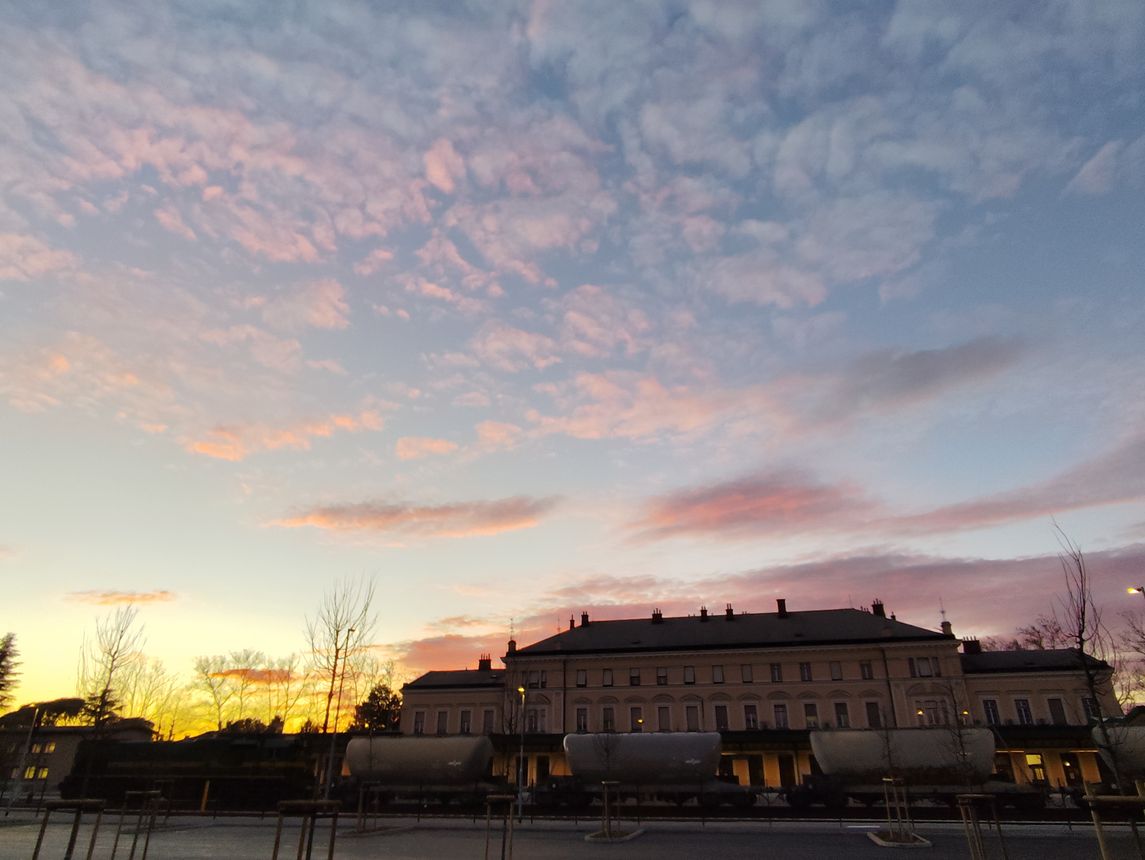
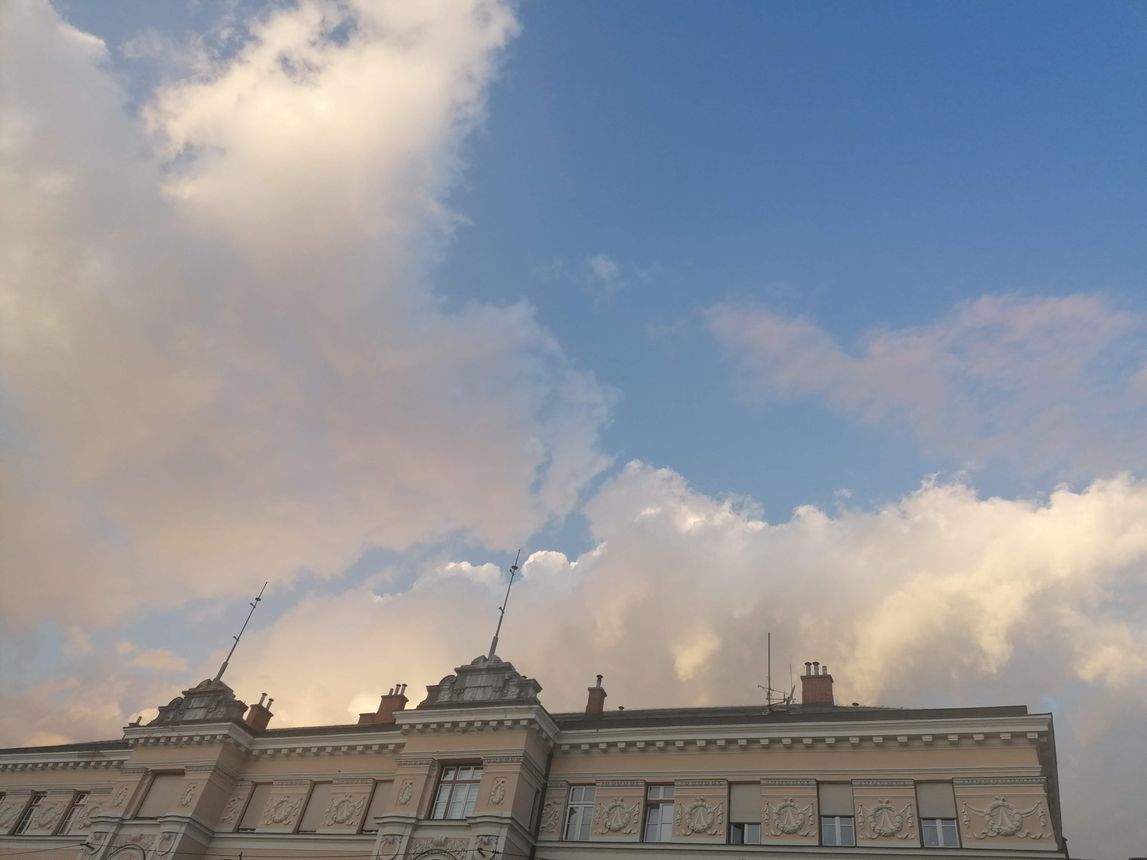
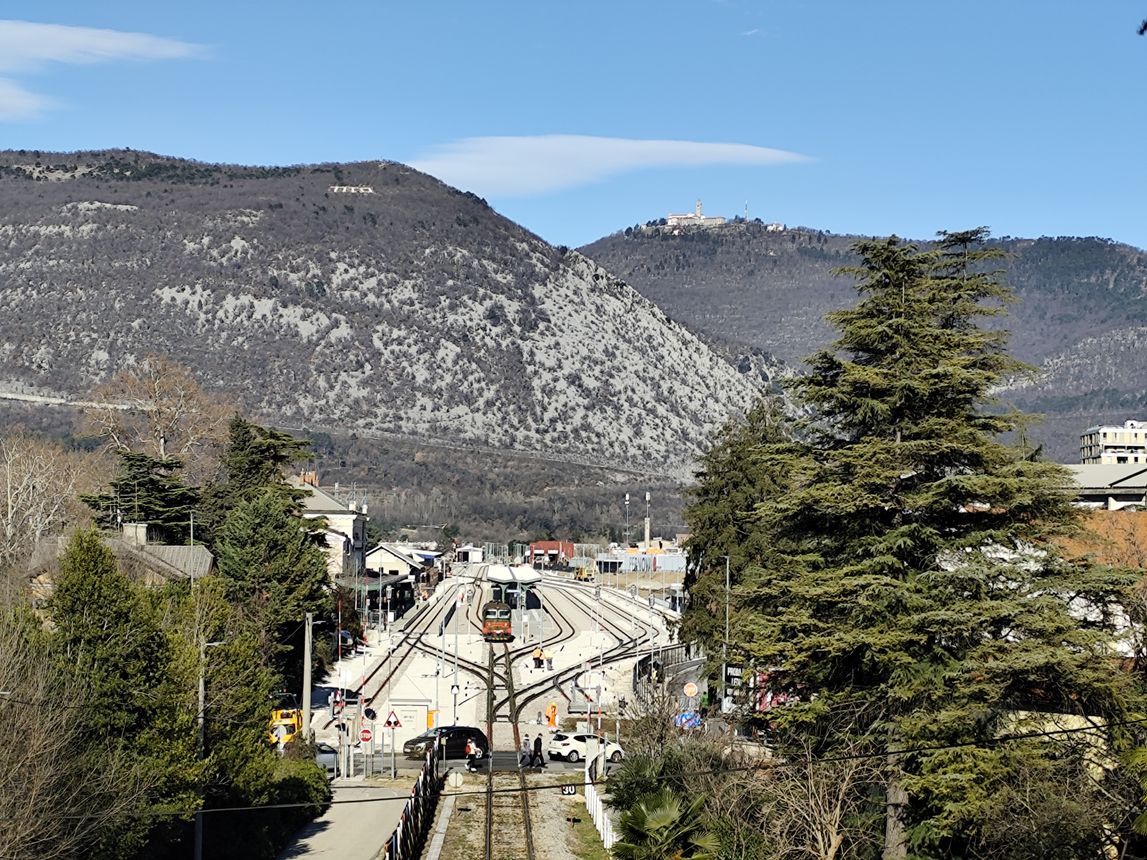
Transalpina Square (known in Slovenian as Bohinj Railway Square) was laid out in 1906, during the construction of the railway station on the line between Trieste and Jesenice. This was the final section of the line connecting the main Austro-Hungarian port with České Budějovice and, earlier, with Prague. It was regarded as one of the most picturesque railway routes in Europe. With the new line, Gorizia gained its second railway station in 1906. The opening was attended by Franz Ferdinand (1863–1914), heir to the throne, who was assassinated eight years later in Sarajevo.
After the First World War, when the area became part of Italy, architect Maks Fabiani developed an urban plan in which five streets radiated in a fan shape from the square, thereby defining the northern part of Gorizia. After the Second World War, the railway played a decisive role in the emergence of Nova Gorica.At the 1947 peace negotiations, it was agreed that the entire railway line (except for the section between Opčine and Trieste) would be assigned to Yugoslavia. The railway thus defined the state border, and Nova Gorica was shaped in direct relation to it. Ravnikar designed the Magistrala, the central axis of the new town, to run parallel to the railway, with all other streets aligned either parallel or at right angles to it.
Although the border had been open since 1955, locals in the border area needed prepustnice — special passes for crossing at small, designated checkpoints.
Five decades later, in 2004, Slovenia joined the European Union together with nine other Eastern and Central European countries. Romano Prodi, then President of the European Commission, celebrated the EU’s largest-ever expansion right here in this square. On this occasion, it was renamed Europe Square; on the Italian side, it is still called Piazzale della Transalpina.
Slovenia joined the Schengen area in December 2007, making the border freely passable without police checks. However, during the 2020 pandemic lockdown, the border across the square was re-established.
Railway Station
The railway station is the oldest public building in the Nova Gorica area. Built in the distinctive Austro-Hungarian Secession style, it stands out in the modern town. For many years, a red star on the station bore the inscription: “We are building socialism.”
Avtor: Blaž Kosovel
Kraj: Nova Gorica

Tags
Povezani članki
Nova Gorica Railway Station