


Nova Gorica - a New Town
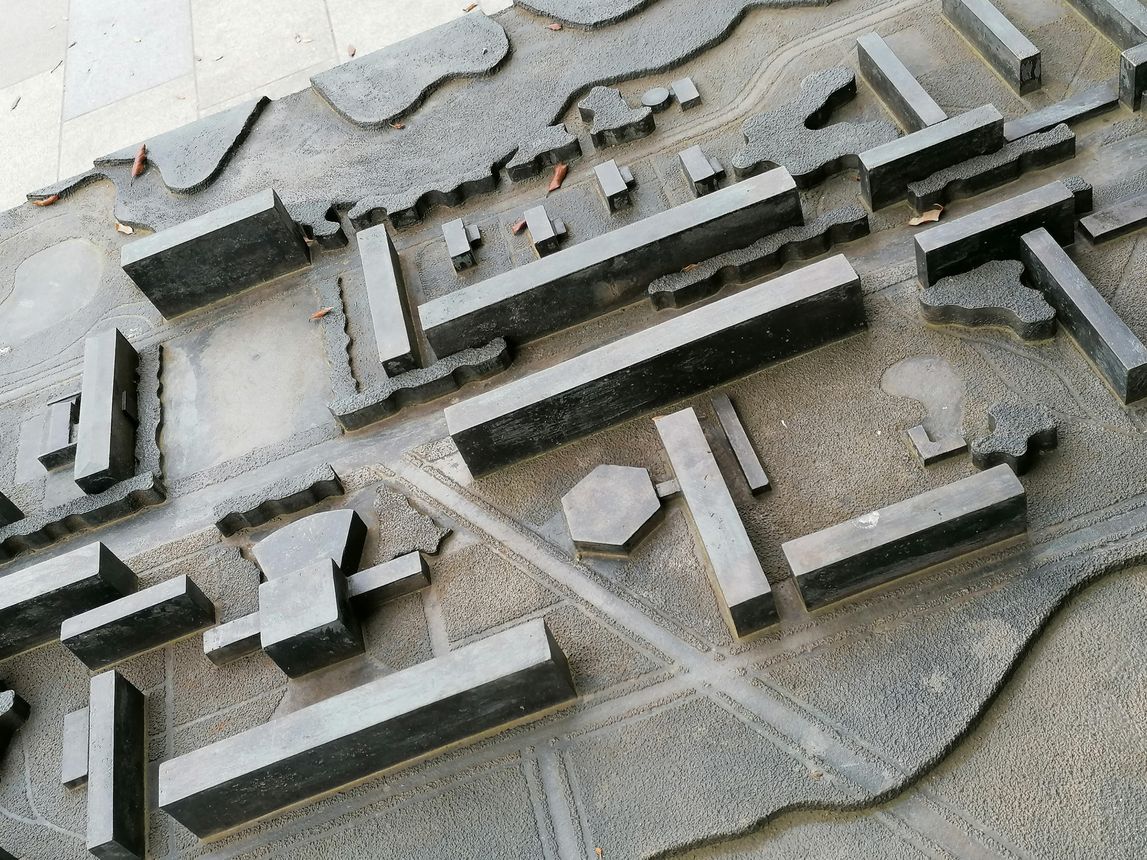
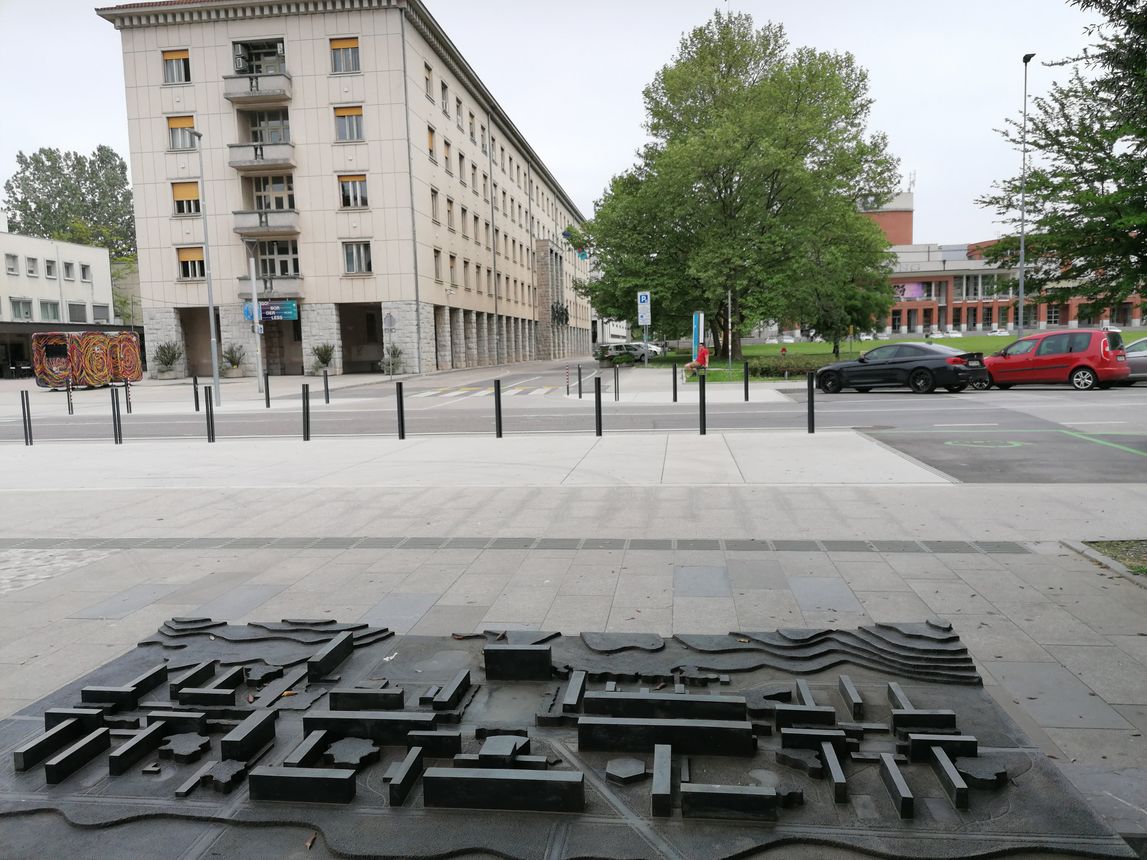
Unlike many other new towns built after the Second World War, Nova Gorica was planned from the outset as a genuine administrative, educational, and cultural centre.
New centres are typically large-scale national projects involving the construction of entire capitals. The most notable example of this modernist urbanism is Brasília, the capital of Brazil, built in the country's interior in 1956 by architects Lúcio Costa, Oscar Niemeyer, and Joaquim Cardozo. Another well-known example is Chandigarh, Le Corbusier's most significant urban project, begun in 1953, built as the capital of the Indian states of Punjab and Haryana.
But Nova Gorica had two particular characteristics: it was built to replace the “lost” city of Gorizia after the Second World War, and it was also a town where the original design was abandoned most quickly due to geopolitical changes following the Cominform resolution and the resulting lack of funds in Yugoslavia.
Today, the town has approximately 13,000 inhabitants, the municipality has 32,000, and the entire cross-border conurbation has more than 70,000.
Avtor: Blaž Kosovel
Kraj: Nova Gorica