


New Towns
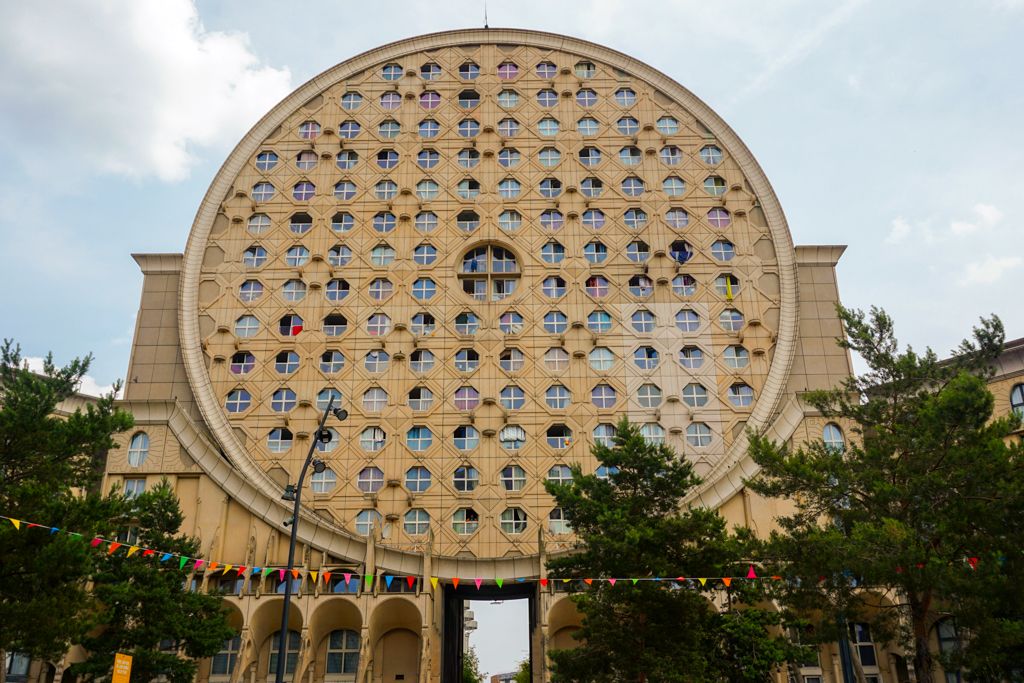



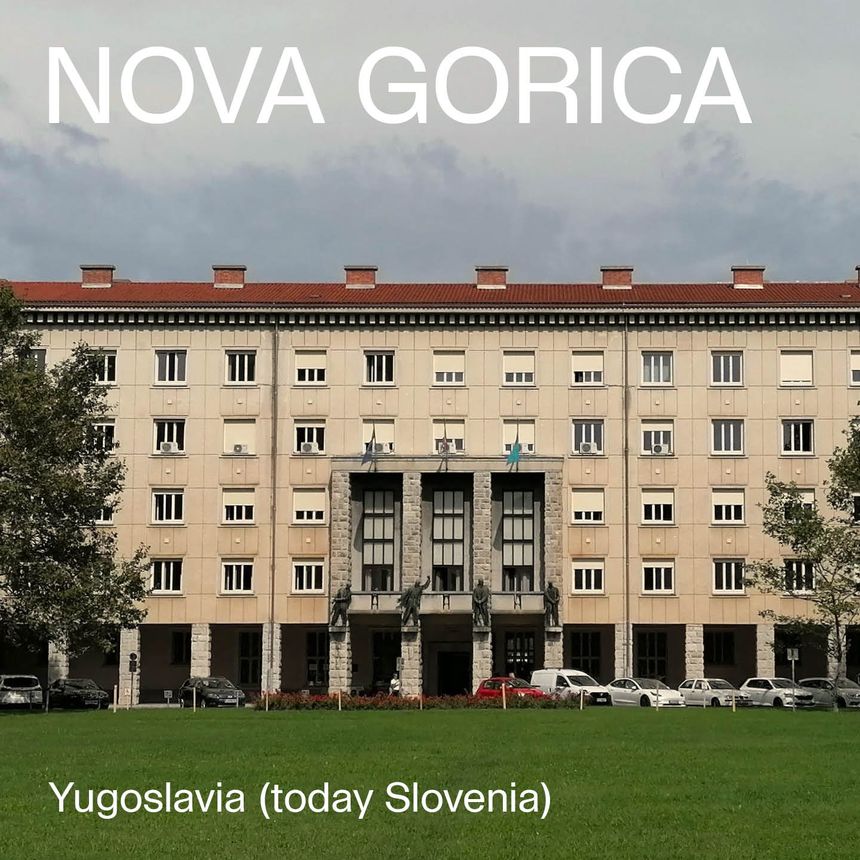
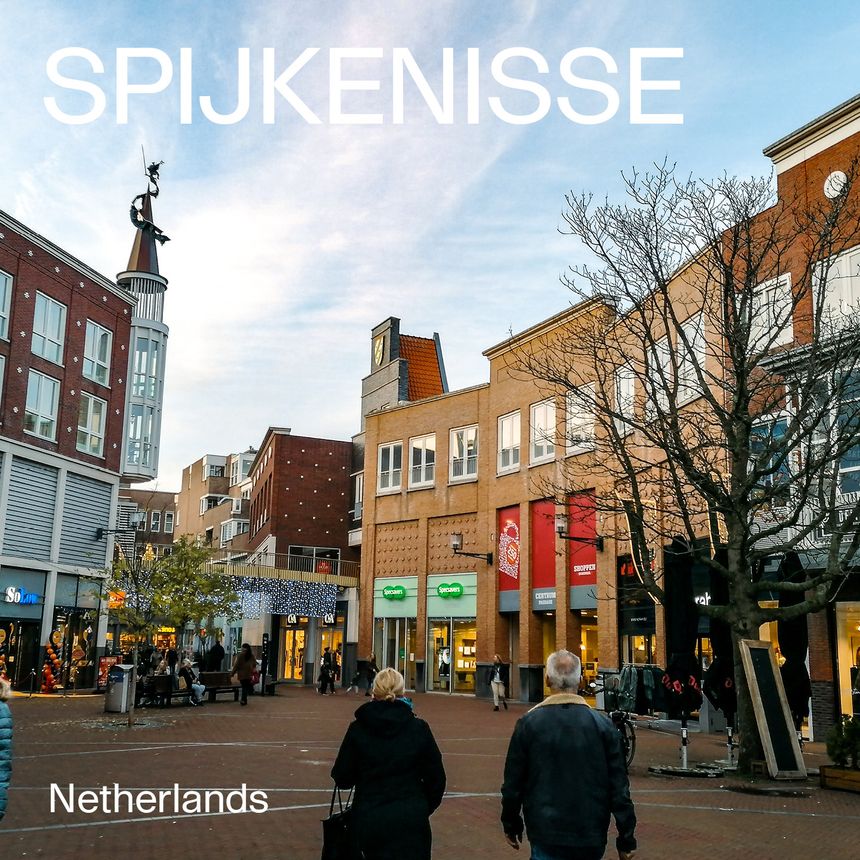
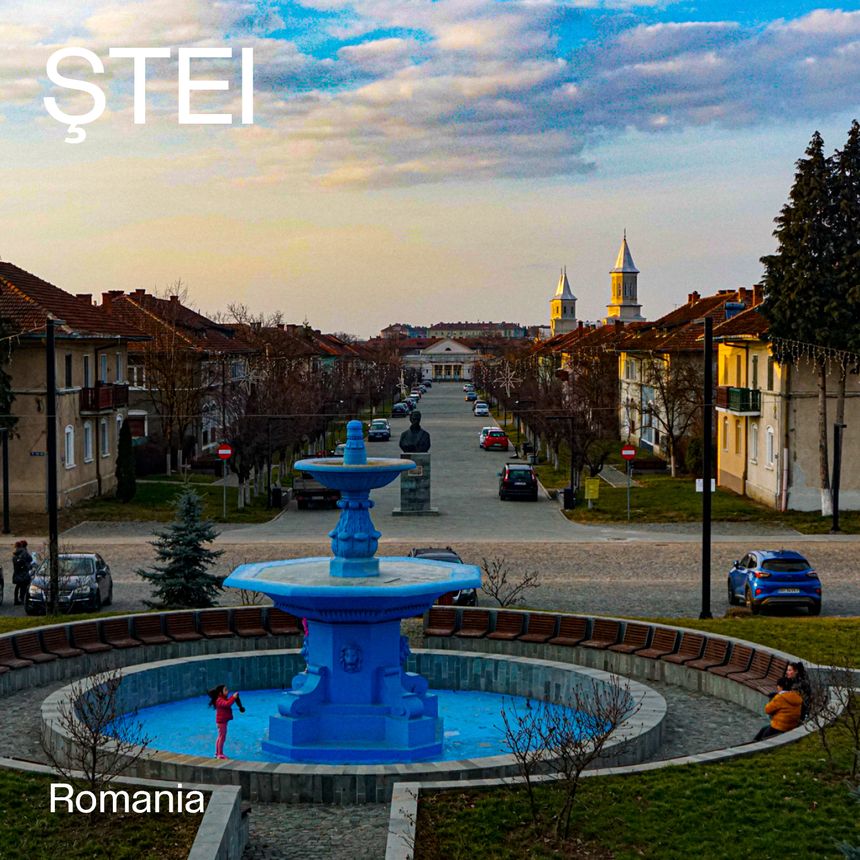

Nova Gorica is the first new town built ab initio (from scratch) in the 20th century to become a European Capital of Culture. This is worth emphasising, since new towns are often perceived as places lacking culture.
Every new town is a town without a long history, without traditions, legends, and stories that have been shaped over generations. It also lacks important civic families, characteristic crafts, or traditional dishes. Initially, it is always a stranger in its environment. All new towns share a similar crisis of identity, as they have had to invent themselves from the start.
Towns develop either by the growth of smaller settlements into larger centres or are planned as a whole from the outset. In the Renaissance, the concepts of perspective and order began to influence the planning of towns. This marked the beginning of the modern concept of urban planning, also known as central town planning.
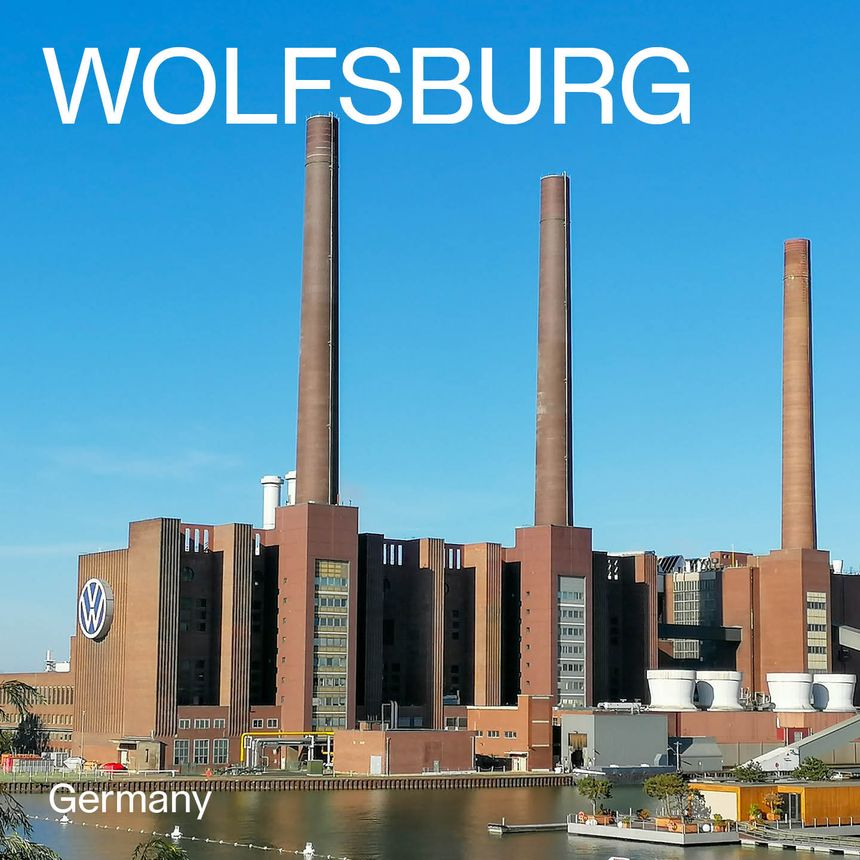
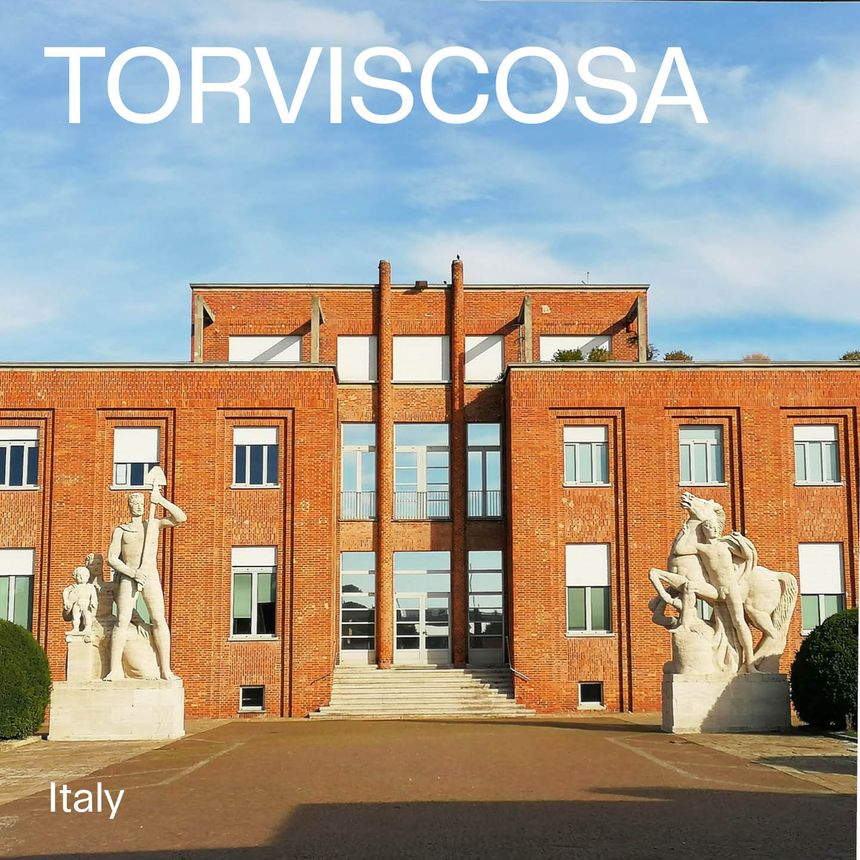
Many new towns were designed as military outposts (such as Aquileia, Palmanova, Karlovac), as ports, or as mining towns near ore deposits (Velenje, Raša). In the last century, many were built for industrial purposes – most often for steel (Magnitogorsk, Nowa Huta, Eisenhüttenstadt), but also for chemicals (Halle-Neustadt, Torviscosa near Nova Gorica) or the automotive industry (Wolfsburg, for Volkswagen's first factory).
The Italian Fascist regime played a significant role in building new towns, creating them in areas that had been made habitable only through reclamation and drainage. These settlements became true pioneer colonies in newly conquered territories, turning into new centres of rural life (for example, Latina, south of Rome).
After the Second World War, many new towns were created to relieve the burden on capitals and major cities. First, they appeared around London, then in Paris (today's notorious banlieues), and later in Berlin. In the Netherlands, one in every 17 inhabitants now lives in a planned town.
Avtor: Blaž Kosovel