


»Gorizia Wall« - misleading metaphor
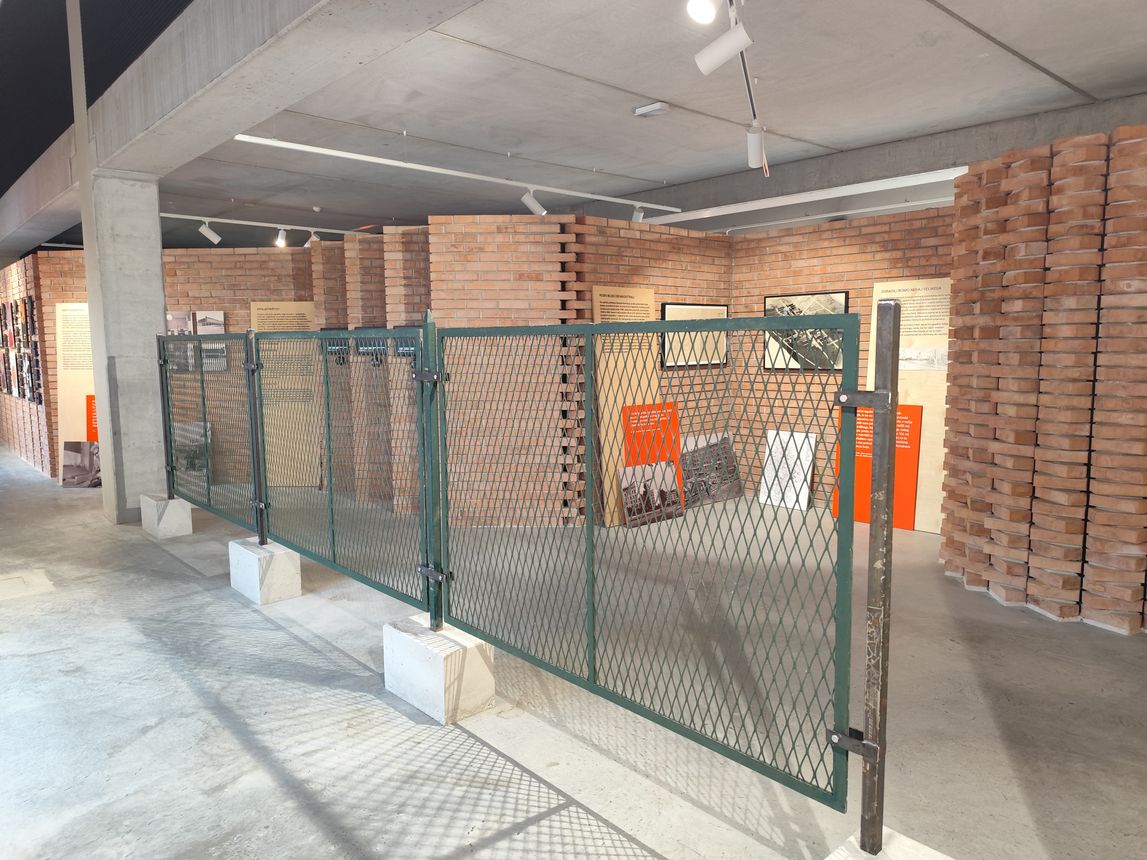
When Slovenia joined the European Union in 2004, many journalists wrote that the "Berlin Wall" had fallen between the two Goricas. Major media outlets again used the metaphor during the presentation of the European Capital of Culture, claiming that in 1947, the border had divided Gorizia into two.
Yet the Berlin Wall metaphor is completely misleading in the Gorizia context, for two reasons. First, unlike Berlin, the town of Gorizia was not literally split in half. Instead, it was cut off from most of its hinterland and from half of its railway infrastructure. What was divided was the Goriška region. Second, the border here was never as impenetrable, deadly, or strictly guarded as the Berlin Wall.
Already in the years after the war, once tensions between the two states eased to some degree, residents of the border zone were able to cross fairly easily with special permits. The border even became known as "the most open border in Europe." One reason for this quicker easing of tensions was precisely the establishment of Nova Gorica on the Yugoslav side, which to some extent mitigated the "loss" of Gorizia. Nova Gorica, after all, came into being as a result of the post-war division.
Nova Gorica was born in opposition to Gorizia, and this contrast is still visible today — even in how each town remembers its past. Gorizia was the site of Italy's largest military campaign during the First World War, while Nova Gorica was built on the western edge of the territory annexed after the Second World War as a replacement for the "lost" Gorizia. In Gorizia, monuments, streets, and squares recall the First World War, while in Nova Gorica, they commemorate the Second. Benito Mussolini is still an honorary citizen of Gorizia, whereas Josip Broz Tito holds the same title in Nova Gorica.
Avtor: Blaž Kosovel