


Erjavčeva ulica
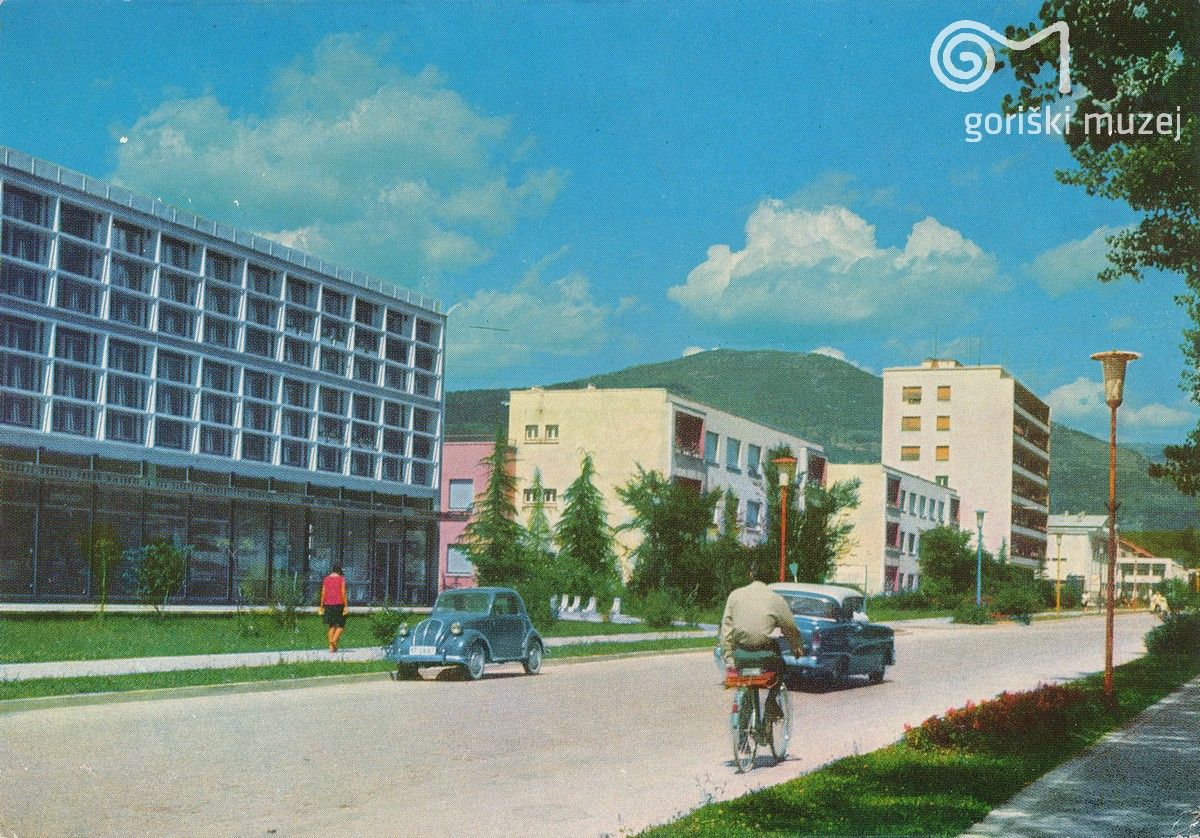
Erjavčeva ulica in the late 1960s. From left to right are the headquarters of Elektro Primorska and Soške Elektrarne, and the first “skyscraper“, which housed the town‘s first supermarket (self-service store) that is still operating. In the background is Škabrijel Hill. ©Photo from the collection of Goriški muzej Kromberk - Nova Gorica (Goriška museum).
1 / 7
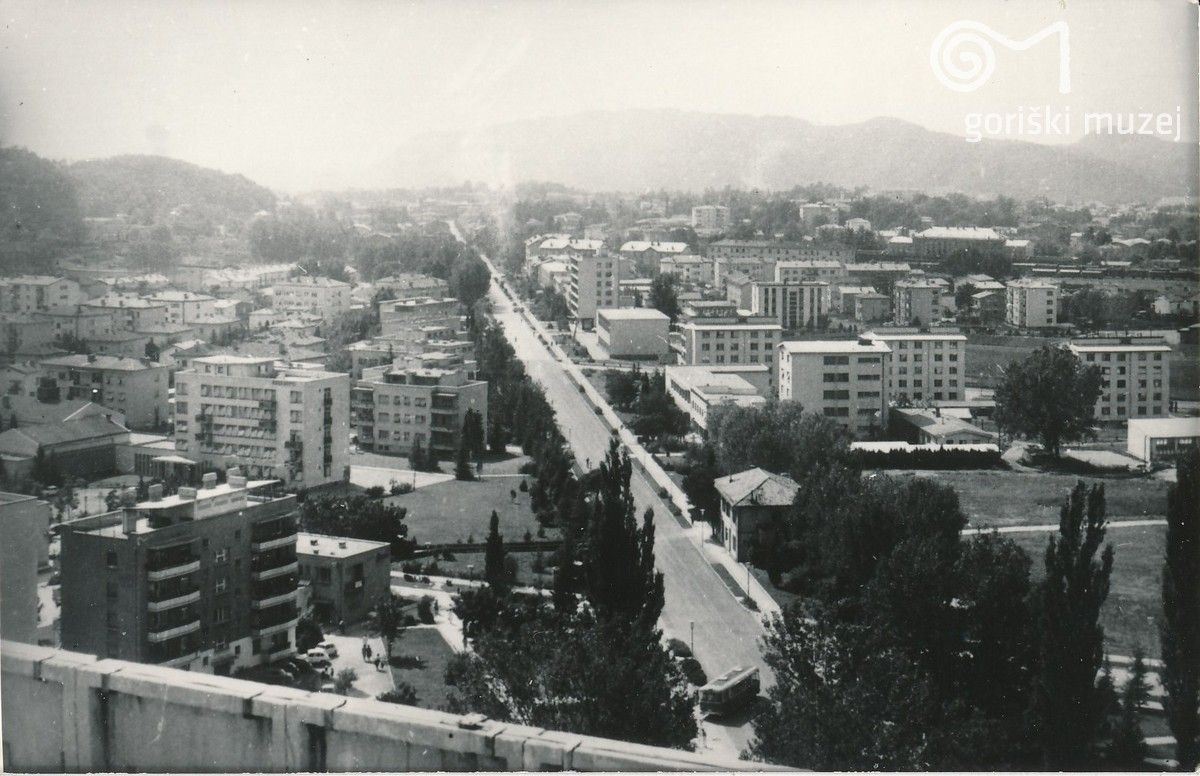
View of the Erjavec street from the "skyscraper". ©Photo from the collection of Goriški muzej Kromberk - Nova Gorica
2 / 7
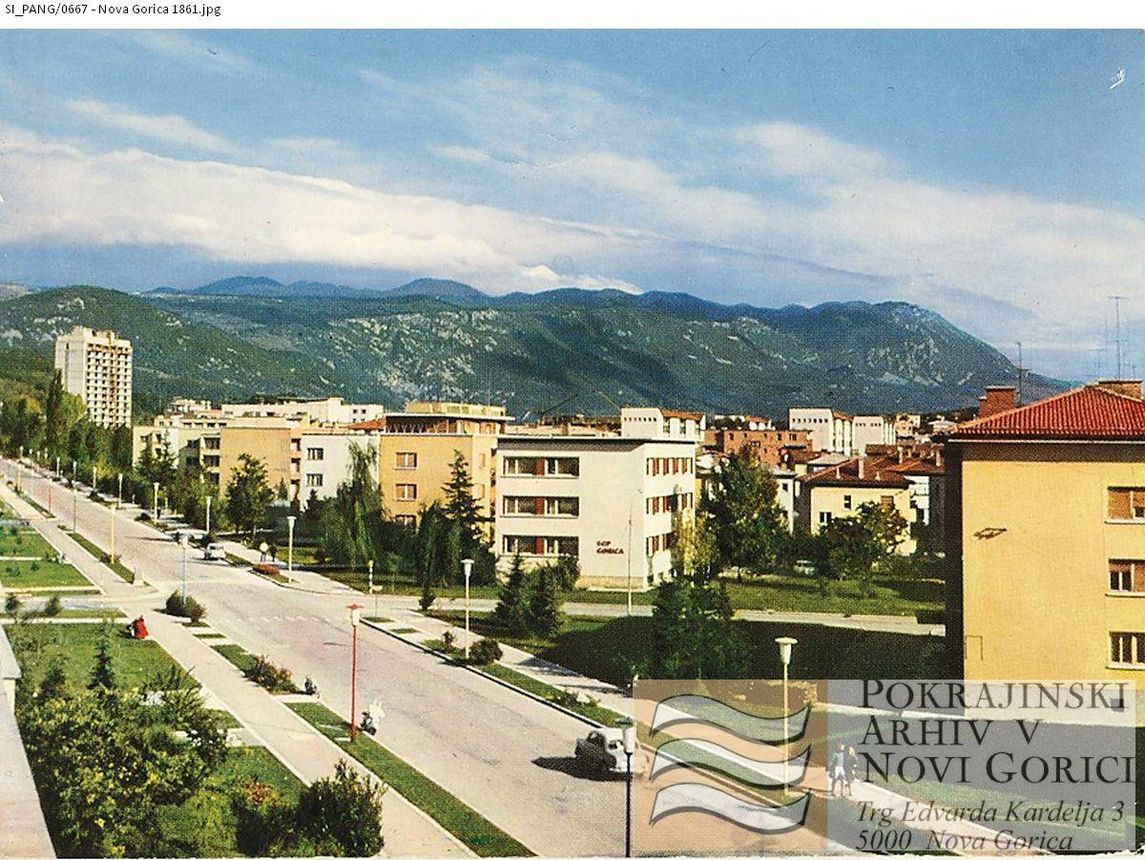
©From the collection of Regional Archive in Nova Gorica - PANG 667 Zbirke razglednic krajev Nova Gorica
3 / 7
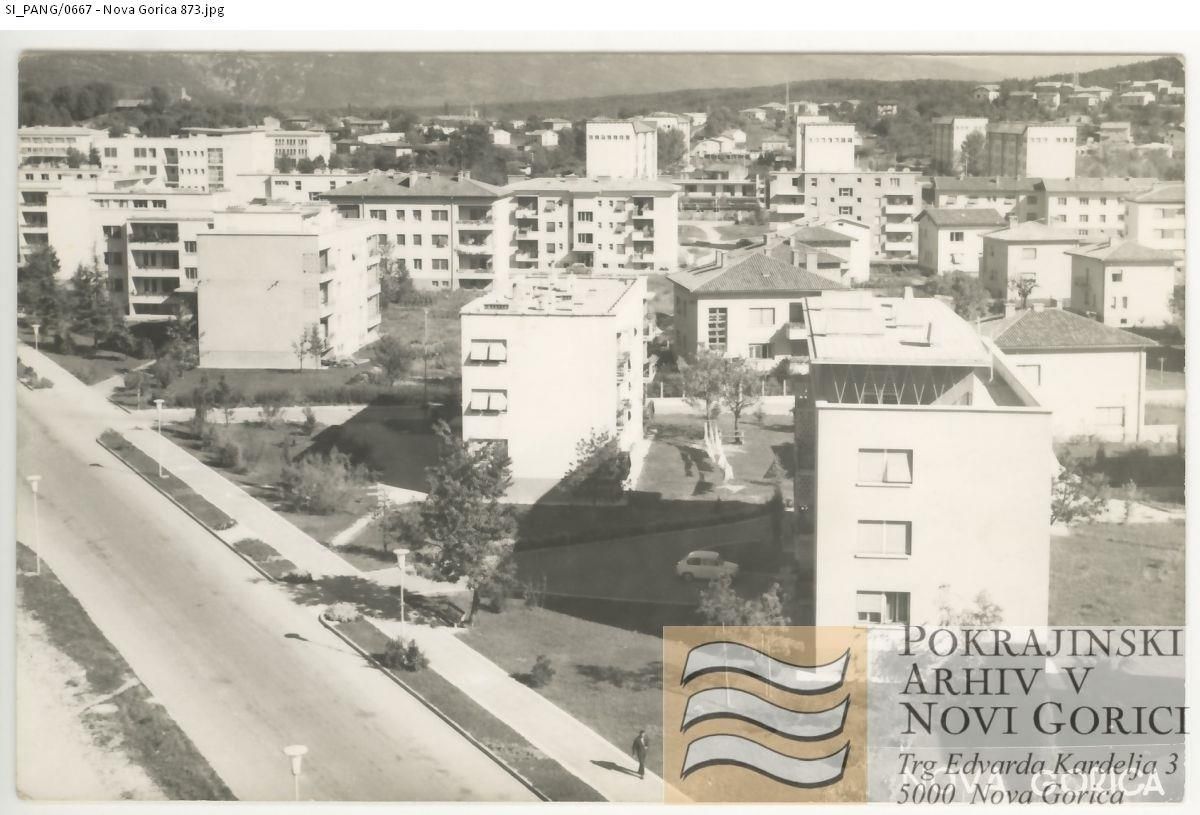
©From the collection of Regional Archive in Nova Gorica - PANG 667 Zbirke razglednic krajev Nova Gorica
4 / 7
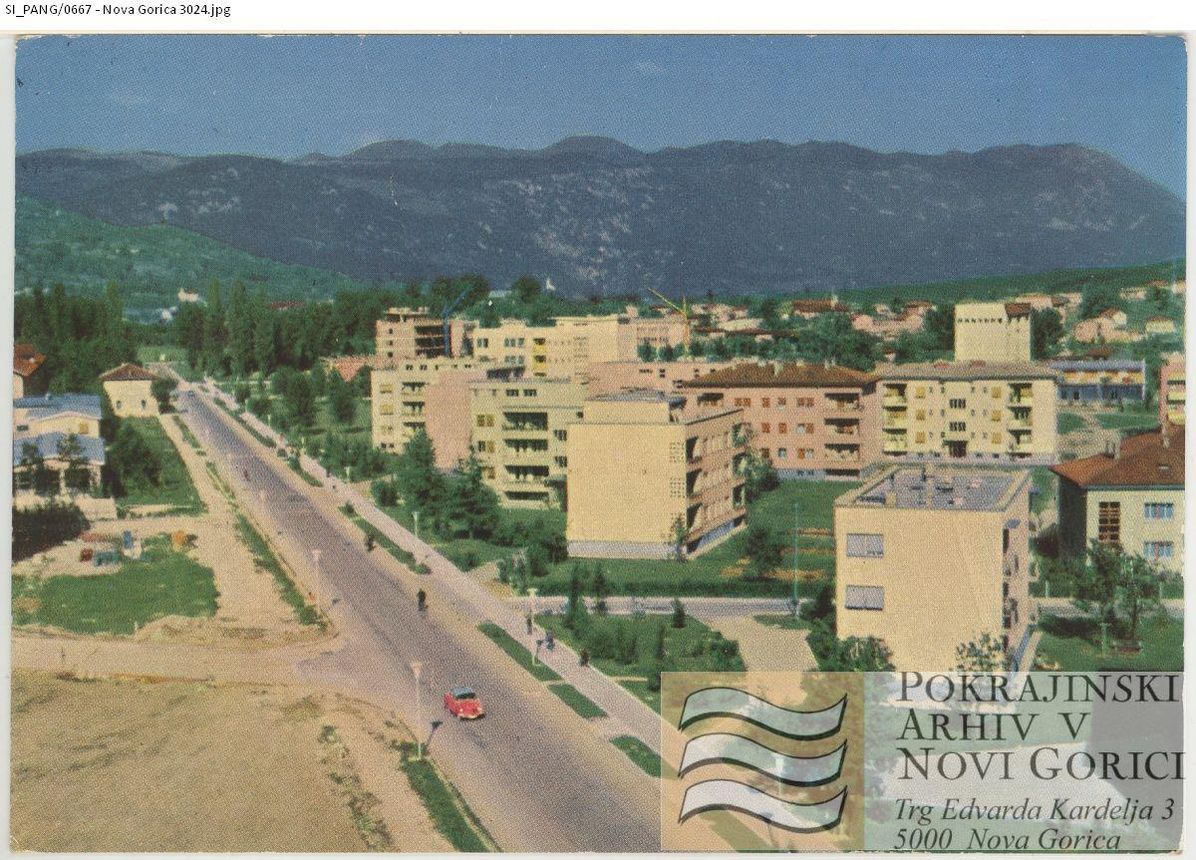
©From the collection of Regional Archive in Nova Gorica - PANG 667 Zbirke razglednic krajev Nova Gorica
5 / 7
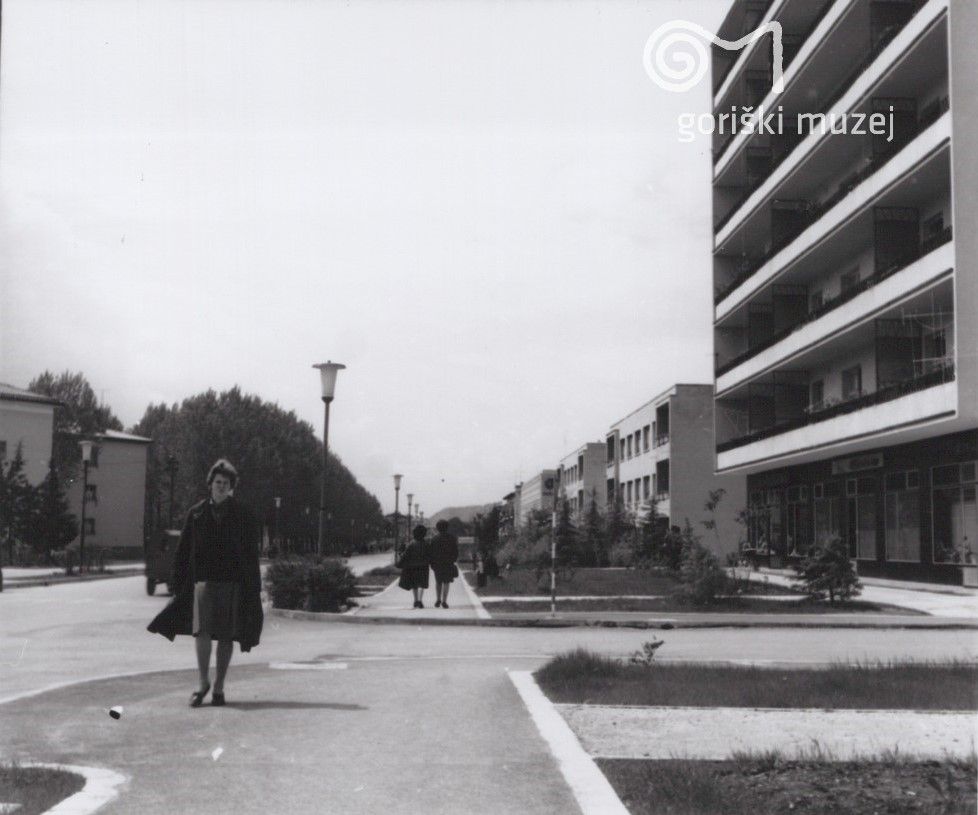
The first “skyscraper” on Erjavčeva Street, which housed the first (and still operating) self-service shop in the town, 1960s. ©Photo Pavšič, kept by the Goriška museum - Goriški muzej Kromberk - Nova Gorica.
6 / 7
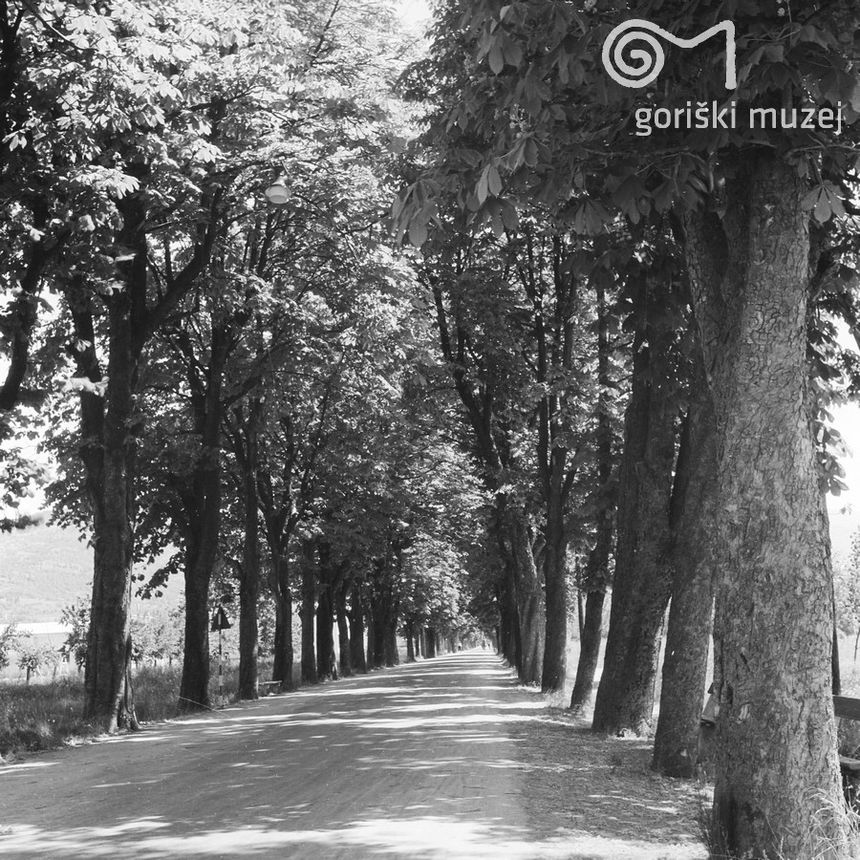
Former tree-lined avenue on today’s Erjavčeva Street in 1959. The road originally led to the former Gorizia cemetery. ©Photo Pavšič, from the collection of the Goriški muzej Kromberk - Nova Gorica (Goriška museum).
7 / 7
Avenue of distinguished men and women
Erjavčeva ulica (Fran Erjavec Street) is the only street that connects the two towns. On the Italian side, it is called Via San Gabriele, leading up the hill. The street once led to the former Gorizia cemetery (see p. 48). Since 1968, a memorial park has been taking shape here as busts of distinguished and patriotic Slovenian figures from the area have been erected along the street. The initiative originated from the Club of Former Gorizia Students — an association of Slovenian high school graduates from the Gorizia Gymnasium before the First World War.
A selection of some who have statues on the street:
Fran Erjavec (1834–1887): Natural scientist, writer and teacher from Ljubljana who popularised natural science and encouraged a love of nature through his works. He taught at the secondary school in Gorica from 1871, where he was also buried.
Karel Lavrič (1823–1876): A politician and lawyer, he advocated linguistic equality for Slovenians, a united Slovenia, and a federalist arrangement for Austria-Hungary. From 1869, he lived in Gorizia, where he established the first political association of Slovenians in Gorizia called Soča.
Engelbert Besednjak (1894–1968): A lawyer, politician and publicist from Gorizia, he fought resolutely for the rights of Slovenes in fascist Italy, representing their interests in parliament in Rome from 1924 to 1929.
Lojze Bratuž (1902–1937): A teacher, choir conductor and composer, he was tortured and killed by the fascists, who forced him to drink machine oil and petrol, as a symbol of cultural resistance against Fascism because of his commitment to Slovenian culture. He was married to Ljubka Šorli.
Ljubka Šorli (1910–1993): A poet, teacher and cultural worker, she dedicated her life to preserving the Slovenian language and identity in the Goriška region.
Avtor: Blaž Kosovel
Kraj: Nova Gorica

Tags
