


Bus Station Nova Gorica
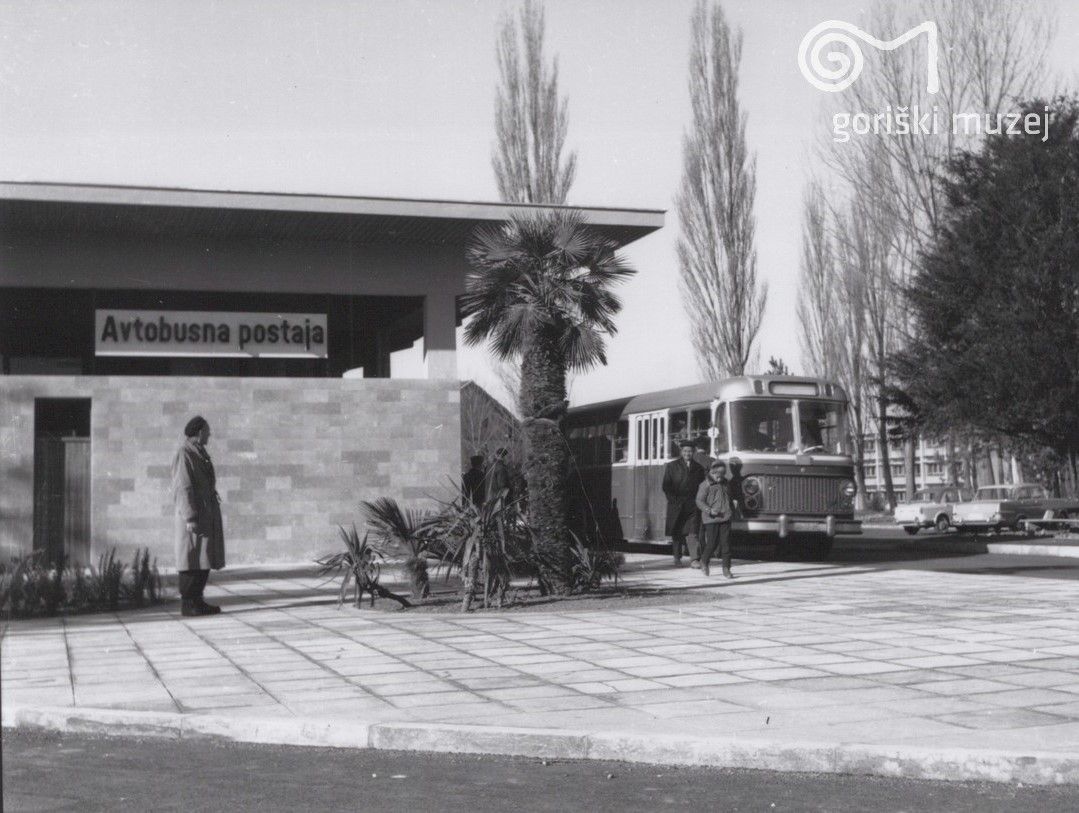
©Photo Pavšič, from the collection of the Goriški muzej Kromberk - Nova Gorica (Goriška museum).
1 / 4
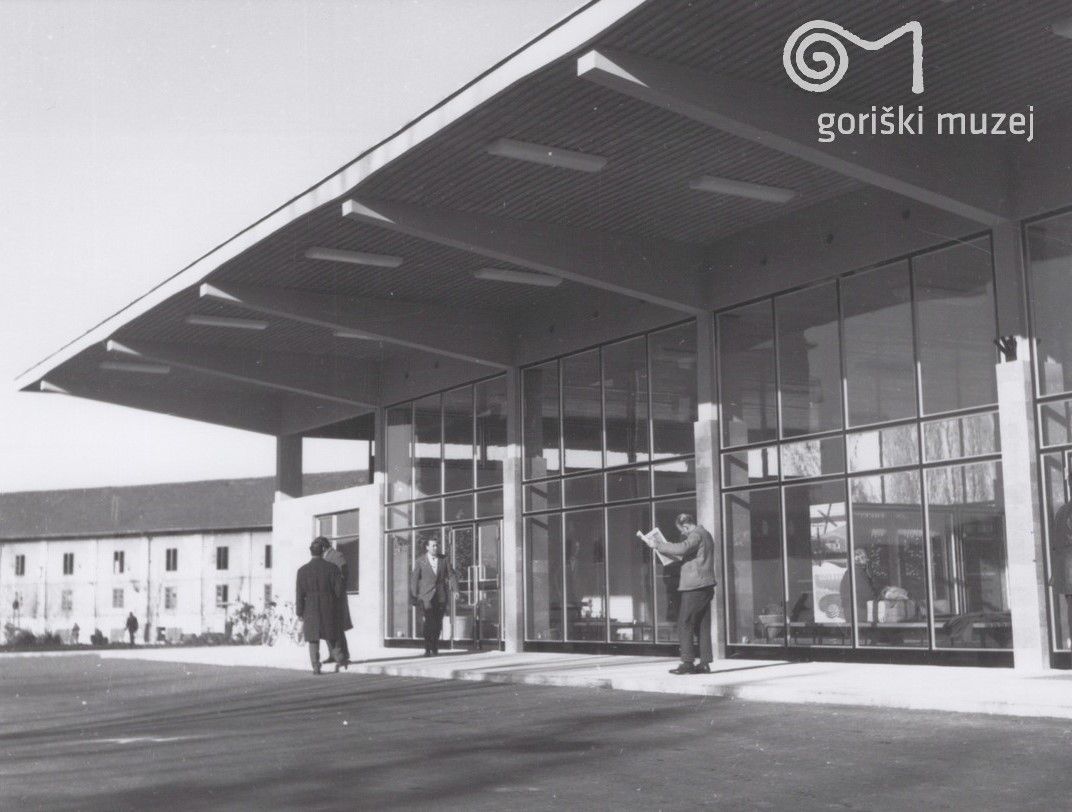
©Photo Pavšič, from the collection of the Goriški muzej Kromberk - Nova Gorica (Goriška museum).
2 / 4
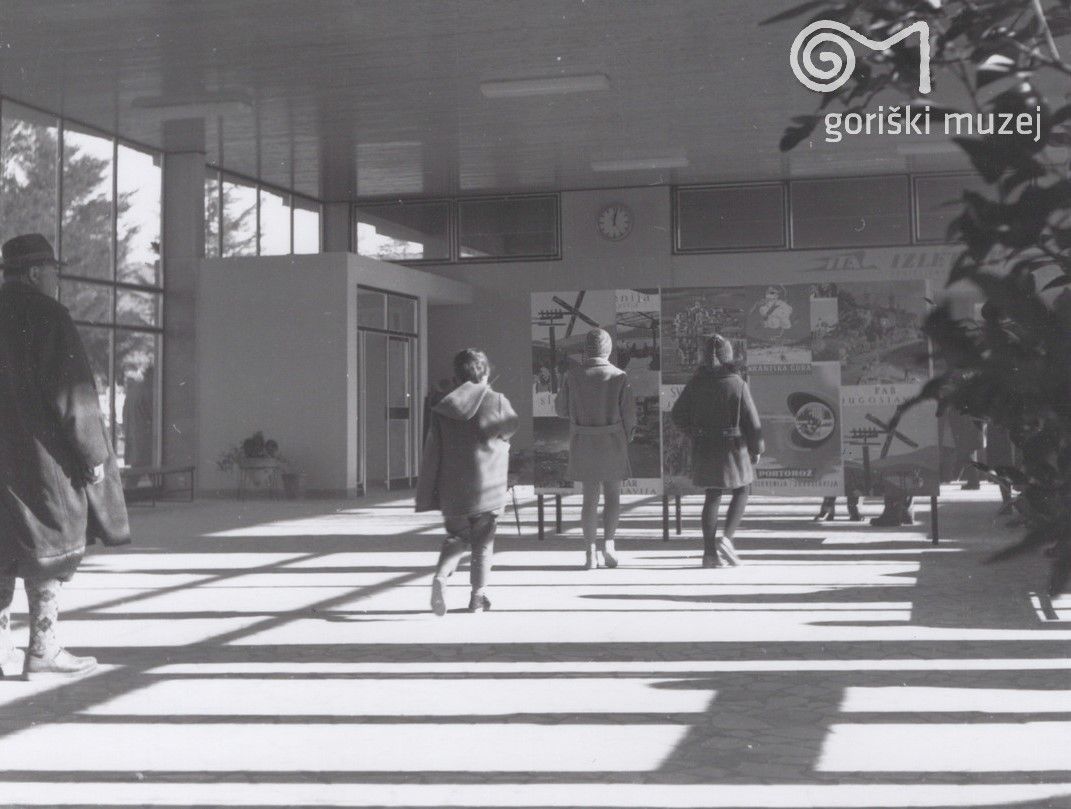
©Photo Pavšič, from the collection of the Goriški muzej Kromberk - Nova Gorica (Goriška museum).
3 / 4
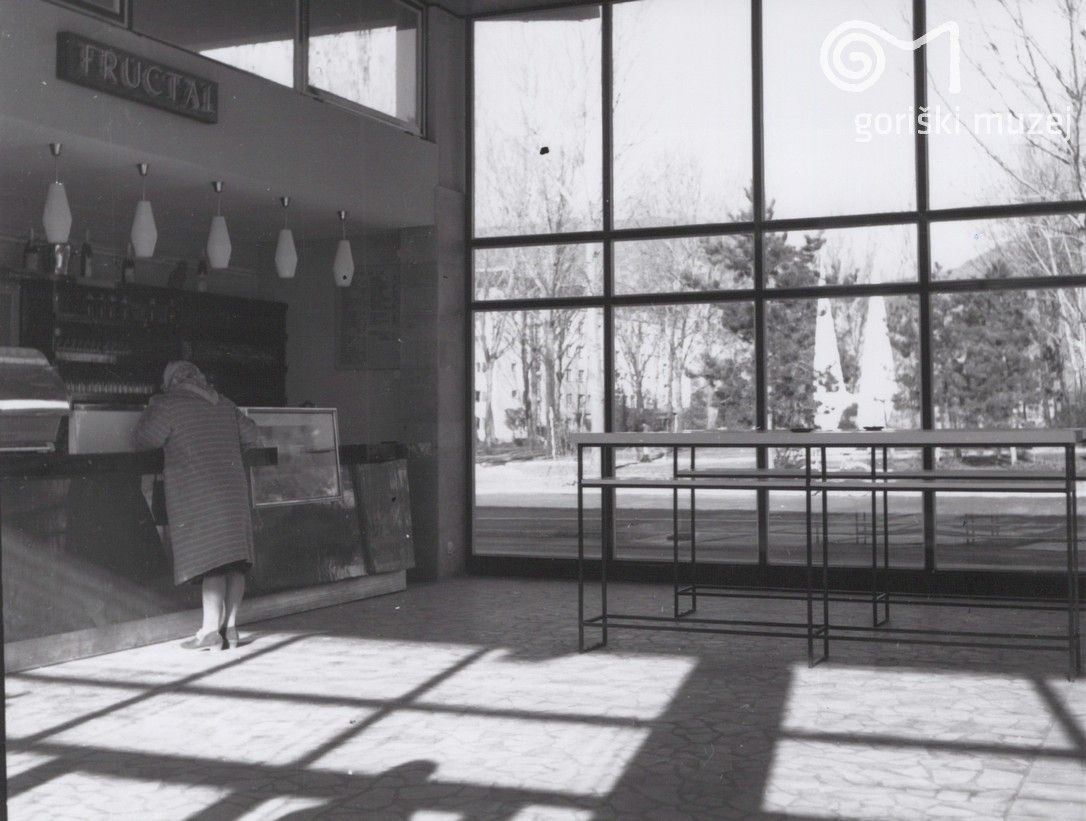
©Photo Pavšič, from the collection of the Goriški muzej Kromberk - Nova Gorica (Goriška museum).
4 / 4
The bus station was built in 1962; before that, there had been a playground on this site, and earlier still a cemetery.
The art historian and conservator at the Institute for the Protection of Cultural Heritage, Nova Gorica Regional Unit, Alenka di Battista, wrote the following historical and art-historical insights in the article Modernist Heritage of Nova Gorica in the journal Outsider (2022):
“In the area between Kidričeva and Erjavčeva Street, which was gradually transformed into a public green space through horticultural planning in the 1950s, the Nova Gorica bus station was built between 1960 and 1962. The plans were prepared within the Ljubljana Project Design Atelier by architect Milivoj Lapuh, who is better known in the literature as a designer of school buildings and the author of standards for their construction in 1968.
The bus station is a single-storey structure with a flat reinforced concrete roof and a rectangular ground plan. It is characterised by a skeletal reinforced concrete structure with a prominent cantilevered canopy, whose underside reveals exposed concrete formed using slatted formwork. The spaces between the supporting columns are enclosed by large glass walls with aluminium frames. The external walls of the terminal sections of the station, with lowered ceilings, are clad in stone slabs.
Platforms are arranged on the northern and southern sides of the building; inside there is a waiting room, ticket windows, a bar, and toilets. A particularly valuable element in the interior is the Venetian terrazzo flooring in the waiting room, while terrazzo was also used in the toilets.
The architecture of the bus station follows the key characteristics of modernist architecture of the 1960s in Slovenia, marked by the use of visible natural materials (stone, aluminium, concrete, wood), skeletal construction, and the integration of the building into a park-like natural setting.”
(Di Battista 2022).
Before the construction of this important transport infrastructure, however, the area was used by young people. According to accounts, there was a large depression between the last Russian block and the bus station, which workers had needed during the construction of the town. It was overgrown with grass, and water collected in it. In winter, children poured water over the slopes so they could go sledding. When it was filled in, they created a football field. It stretched from the park to the bookshop. Next to the park there was a gravel road, which also served as a track during motorcycle races.
An older resident, speaking at a workshop with Nova Gorica pensioners about playing football on the construction site, said:
“I was born in 1948 and we came from Postojna. I lived in the Russian block, no. 12 [Kidričeva Street 31 – author’s note]. When I arrived, it was unfinished. /…/ We spent most of our childhood outside. We were obsessed with football, we played a lot. There were cornfields here that were gradually abandoned, and we turned one of them into a football pitch. Without any equipment, without shovels or anything. Just by playing, we levelled the ground.”
(Ethnographic workshop with Nova Gorica pensioners, November 2024).
Avtor: Jasna Fakin Bajec
Kraj: Nova Gorica

Tags
