


The Trnovo and Banjščice Plateaus
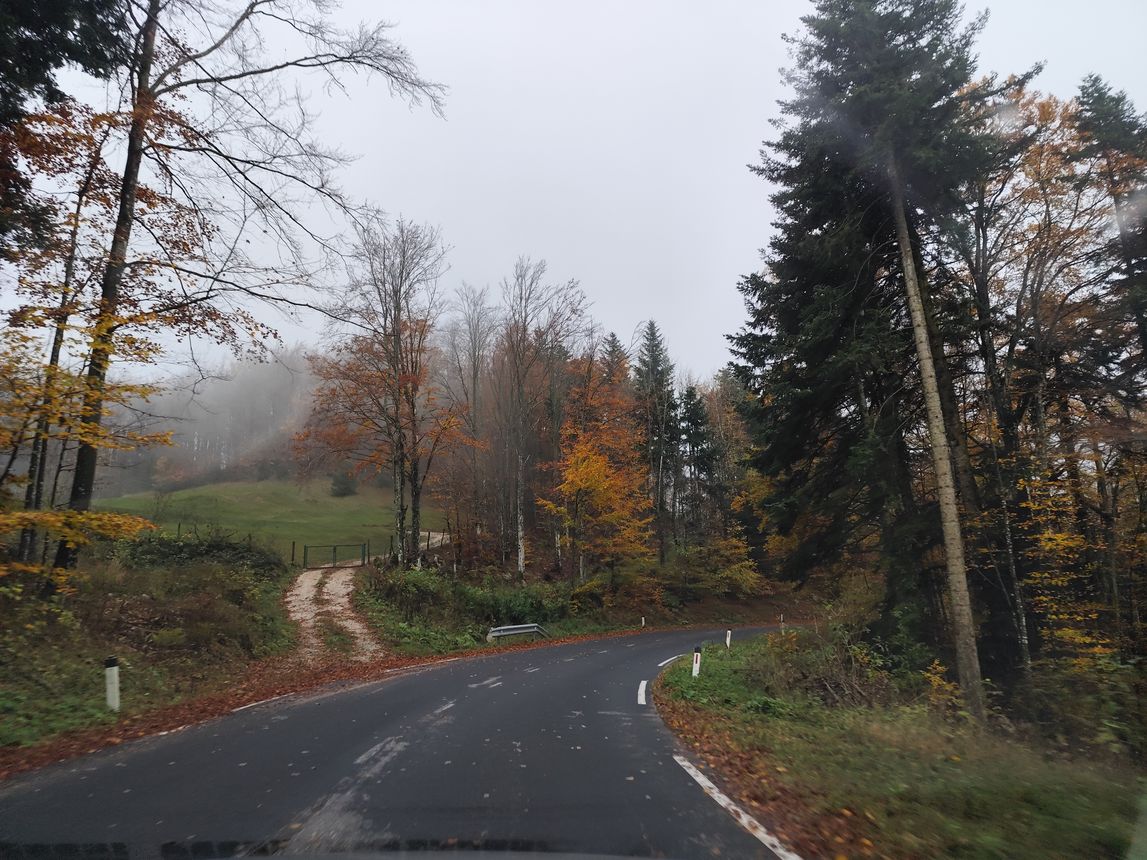
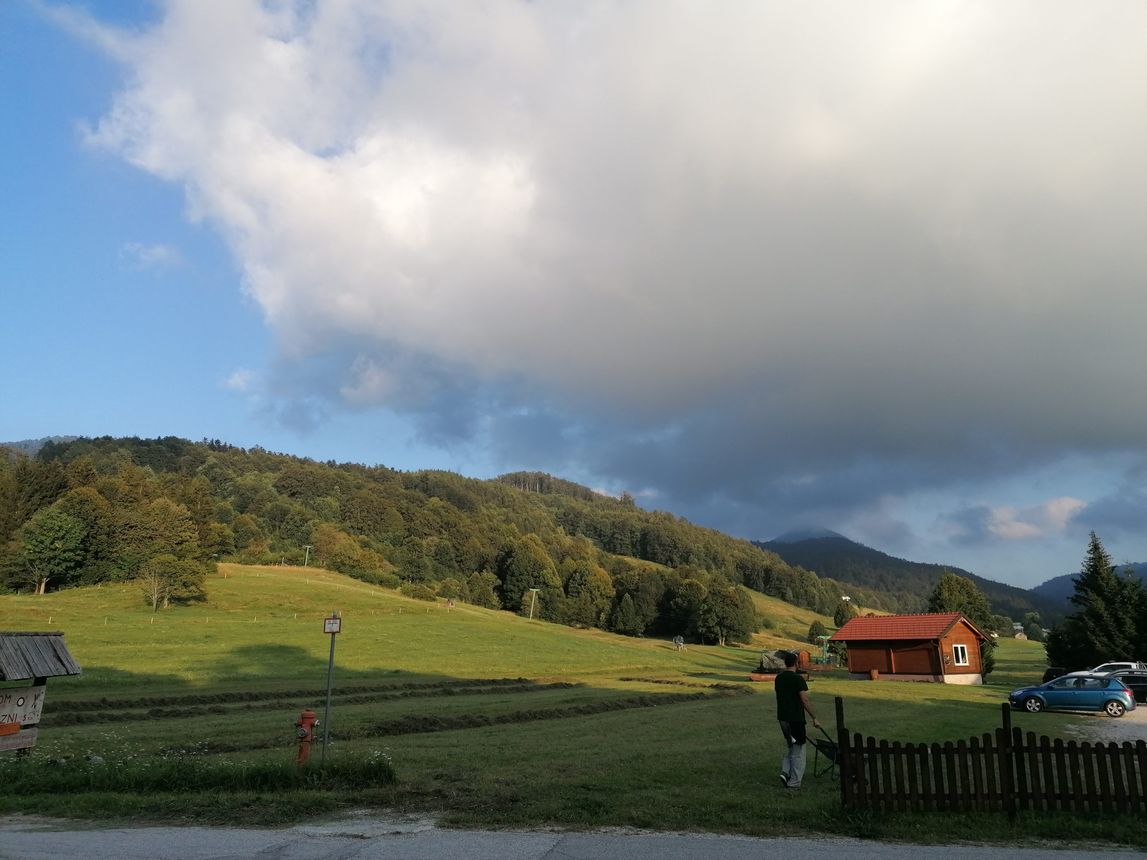
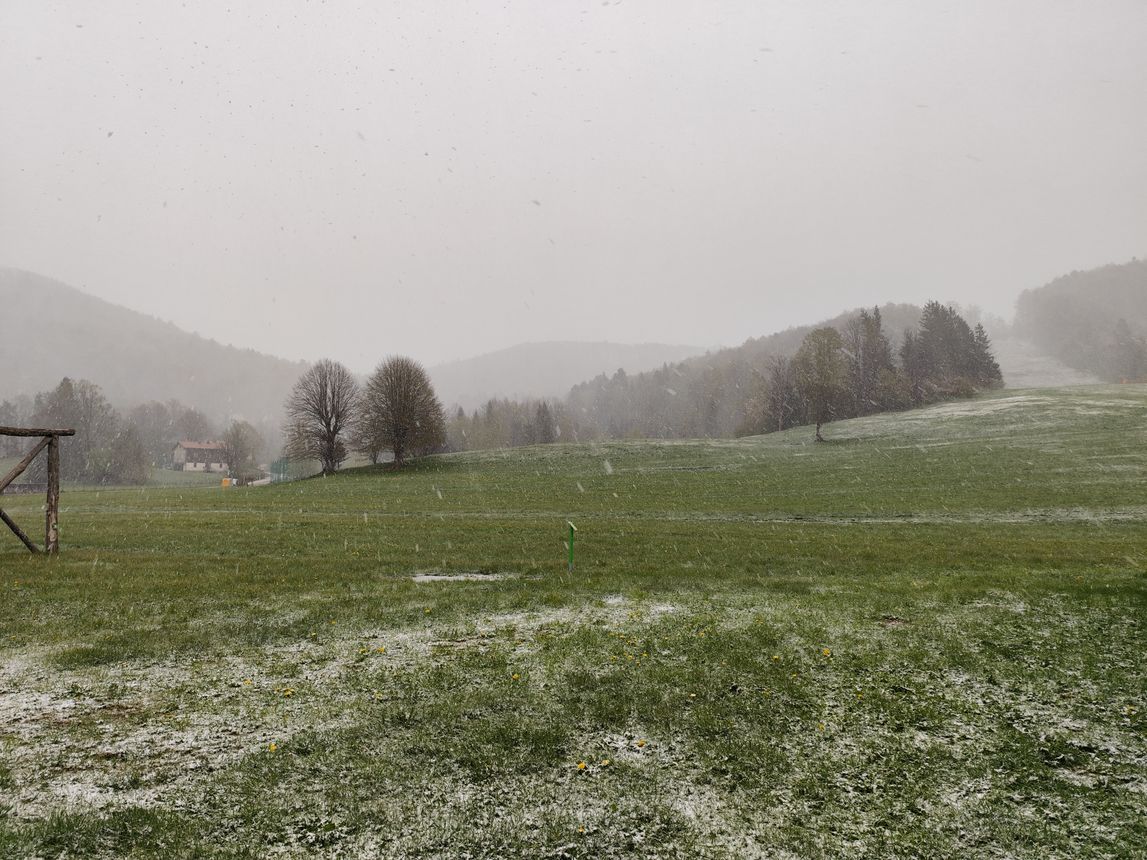
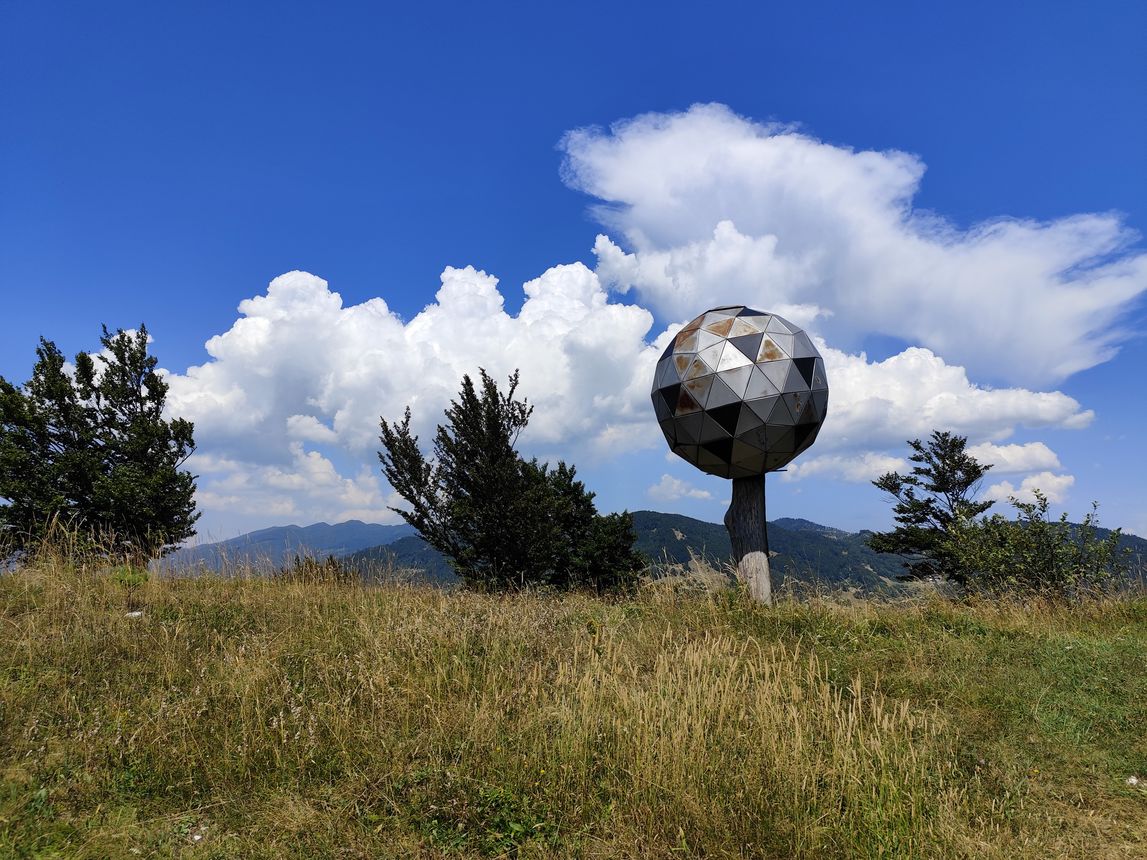
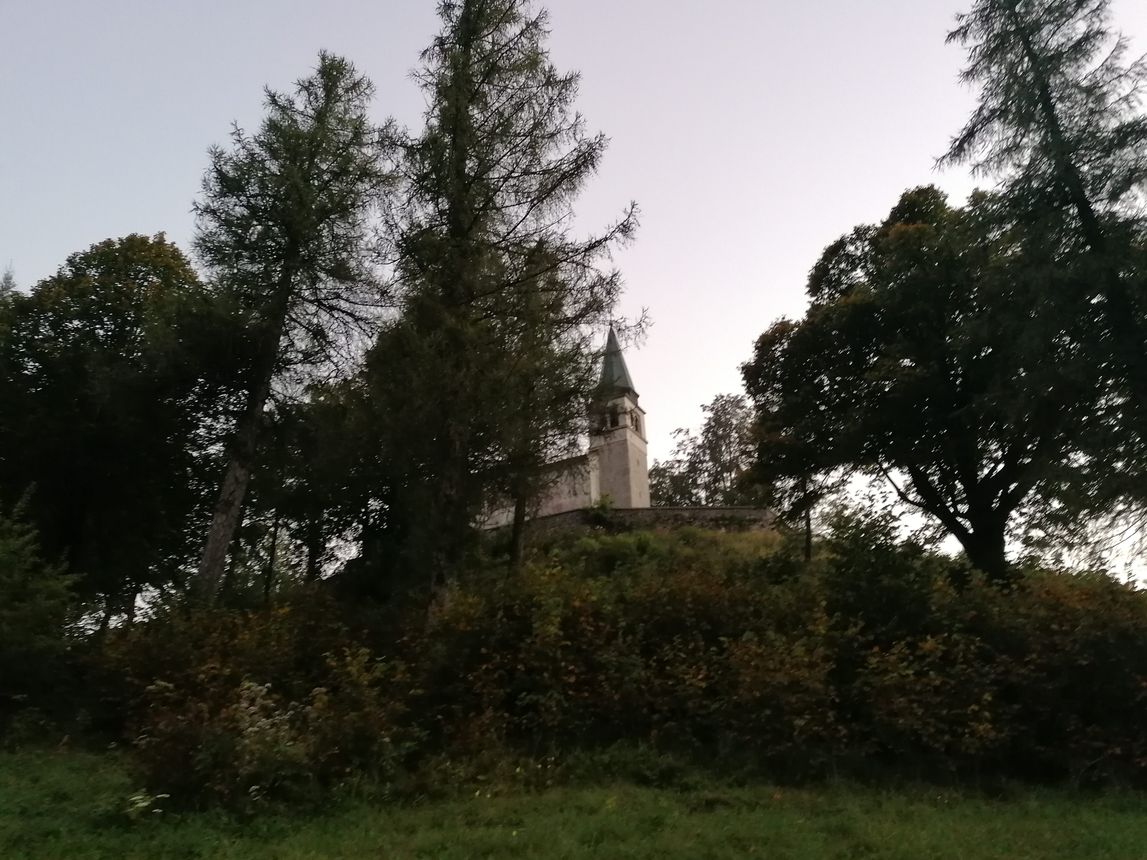
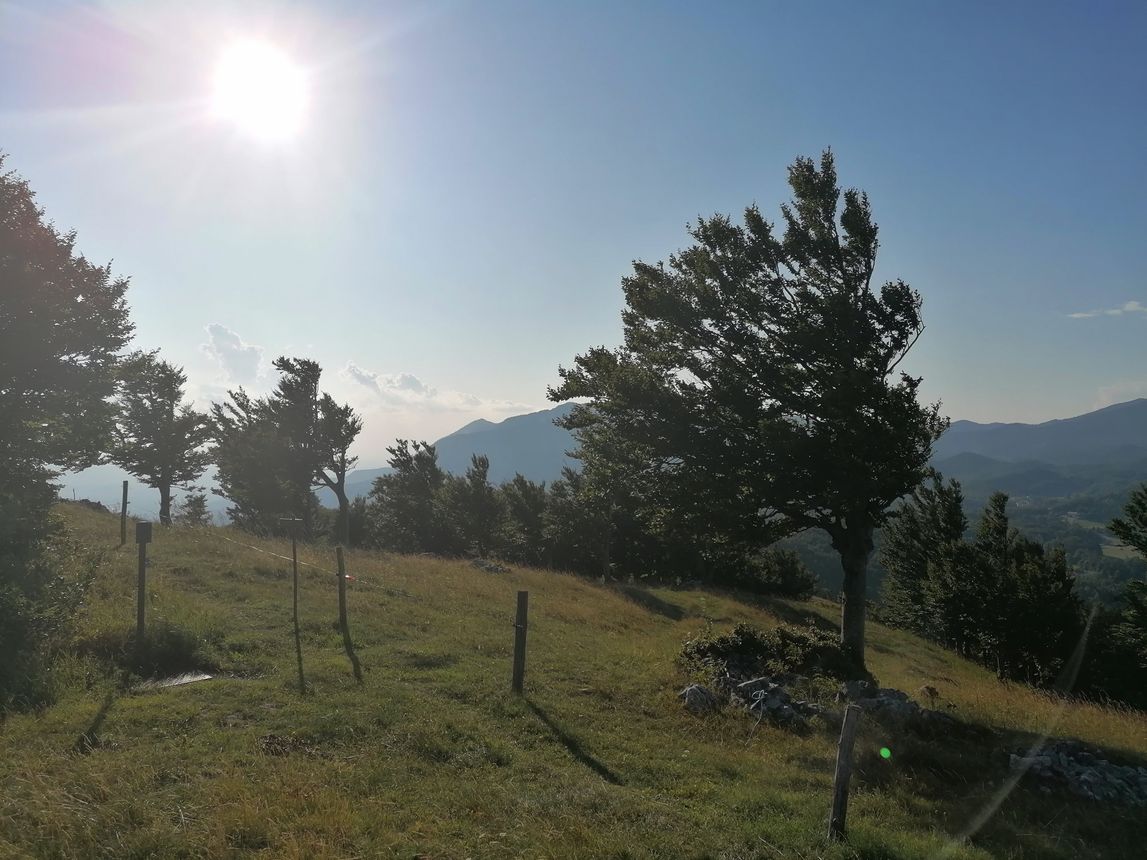
The north-western edge of the Dinaric Alps is one of the least populated parts of Slovenia and the only location outside the Alps with an alpine climate.
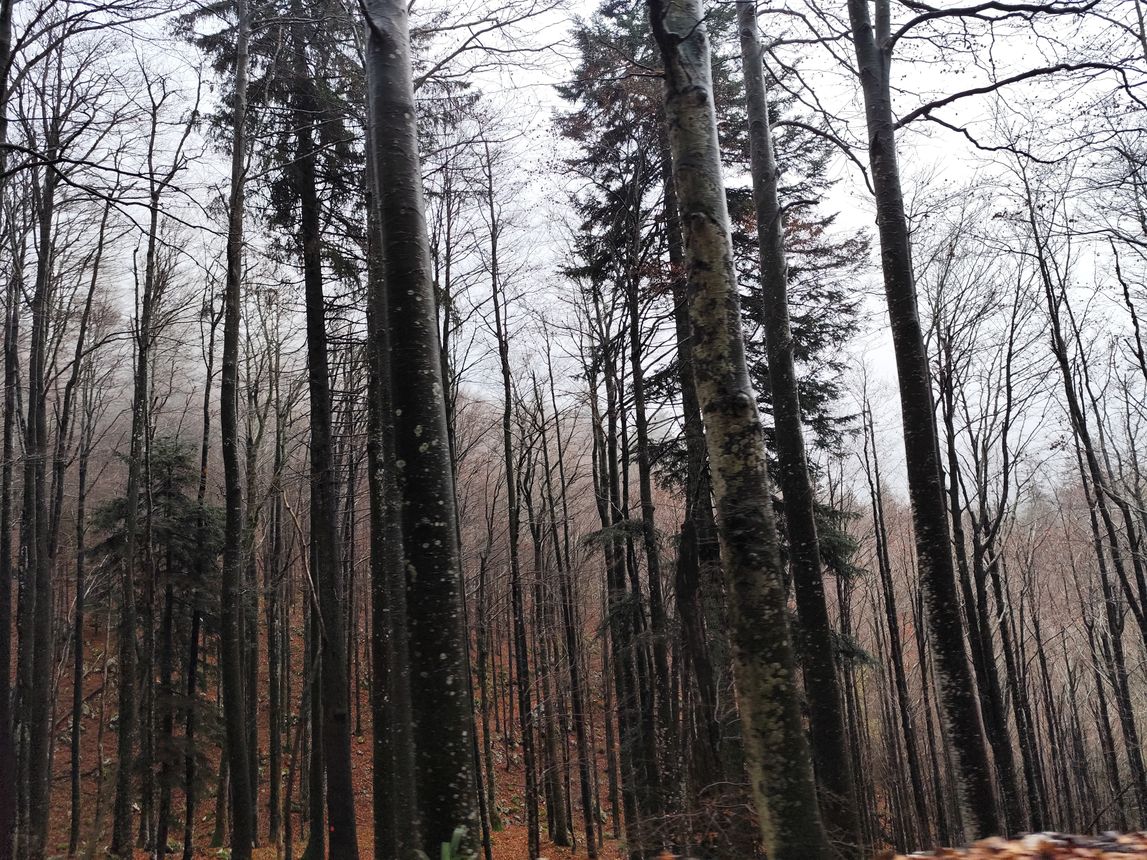
The landscape is dominated by beech forests, with no surface water, and is dotted with caves and abysses. During the reign of Maria Theresa, the forest was surveyed for the first time to calculate the volume of timber, which was essential for heating Gorizia.
German colonists settled here and were the first to manage the forest systematically, building roads and felling trees with crosscut saws—the earliest forest management plans in Europe date back to this period. Between the 18th and 19th centuries, Czech glassmakers from Hamburg settled in the middle of the Trnovo Forest. Their bottles gained renown across the region and beyond.
The narrow, 16 km long Čepovan Valley lies between the two plateaus. It is one of the best-preserved dry valleys in Slovenia, its shape bearing witness to the former presence of water.
At the edge of the Trnovo Plateau, a trail offers exceptional views of the Vipava Valley and the Karst, stretching all the way to the sea. The trail starts in front of the village of Trnovo, which is also a popular take-off point for paragliders and hang gliders. In summer, temperatures on the plateau are up to 10 degrees lower than in the valley, making it a natural refuge from the heat.
Otliško okno and Skozno
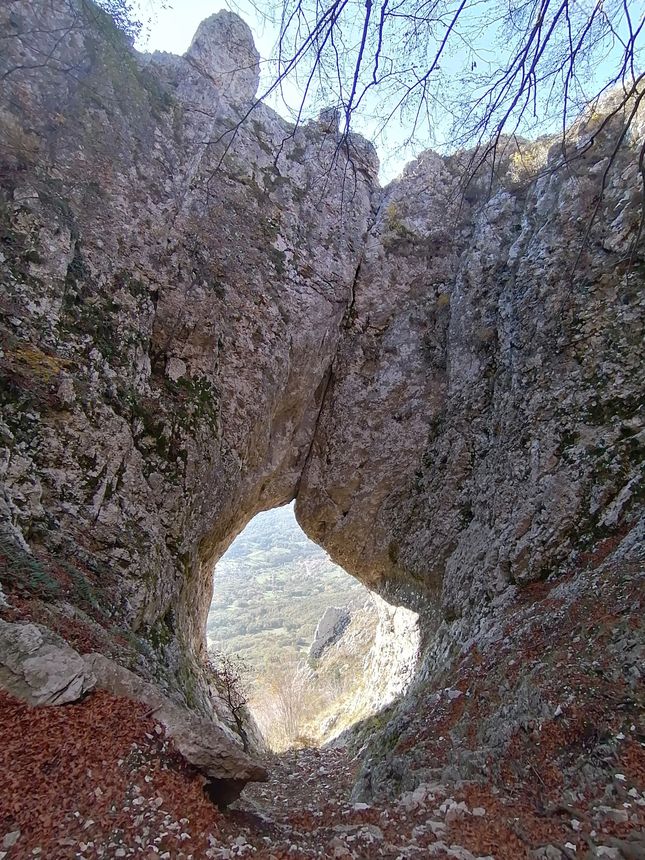
Otliško okno (Otlica Window) is a natural stone arch above Ajdovščina. Standing 12 metres high and 7 metres wide, it is accessible via a 20-minute walk from the car park and offers stunning views of the Vipava Valley. Skozno is a smaller window above Lijak in Trnovo.
Avtor: Blaž Kosovel