


Goriška Hills
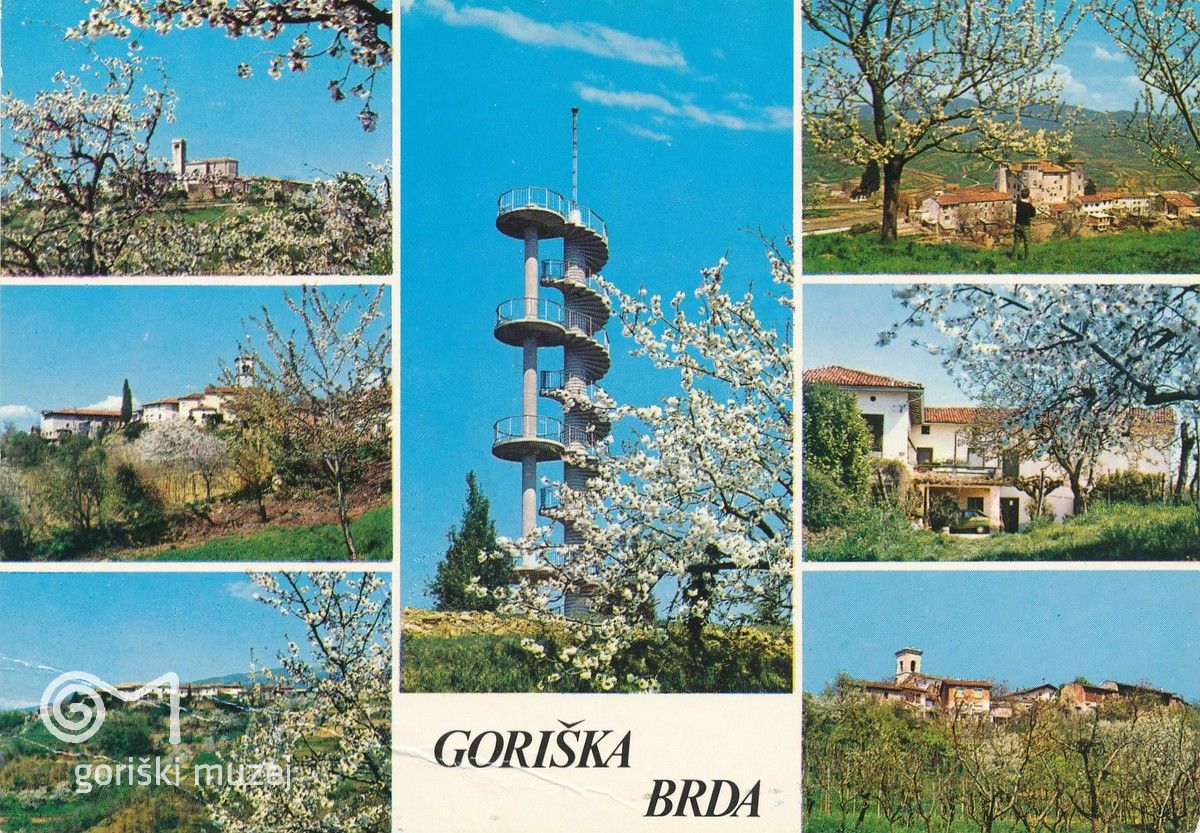
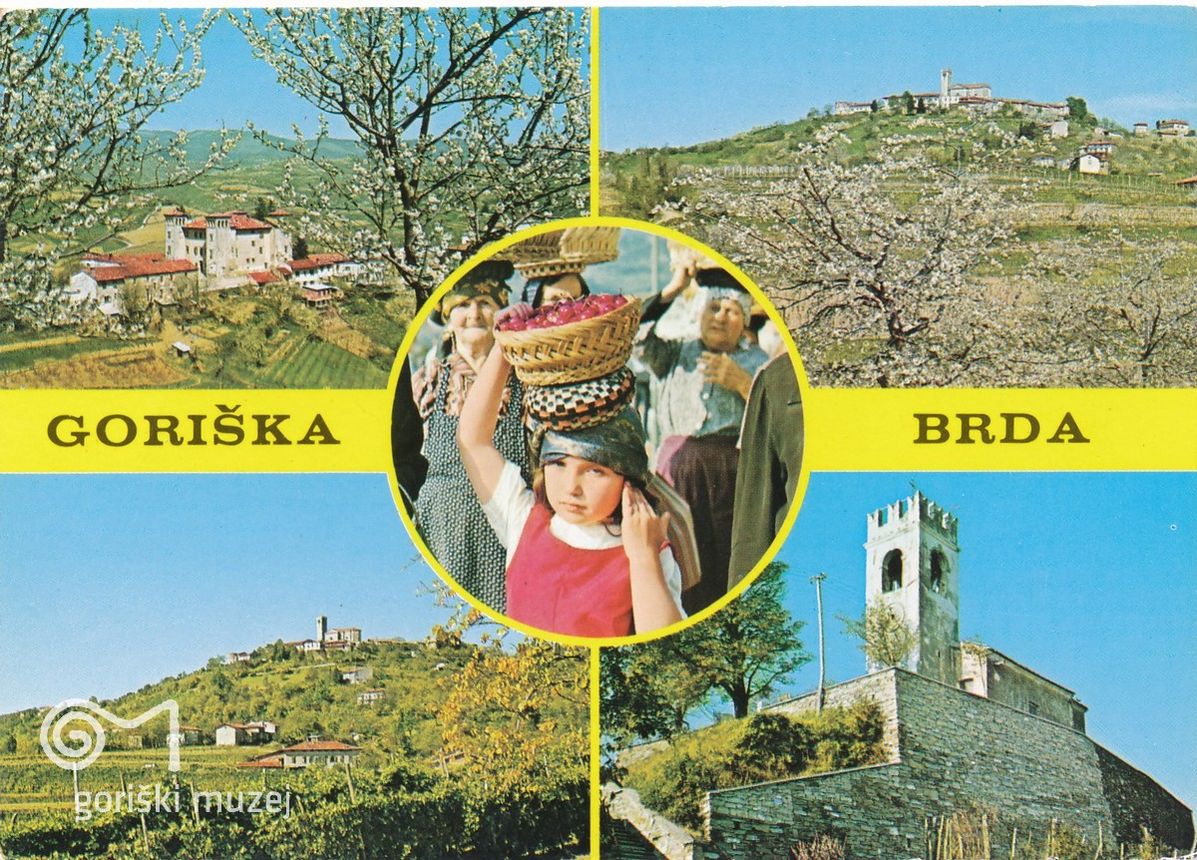
Goriška brda (the Goriška Hills, Collio Goriziano in Italian) form a rugged flysch landscape at the meeting point of the Friuli Plain and the Soča Valley. For centuries, this was the border between Austria and Venice.
Evidence of that history can be seen in fortified churches and camps, the most notable example being the village of Šmartno, home to a museum that presents everyday life in the early 20th century.
Nearby stands the village of Gonjače with its viewing tower, offering sweeping views of the entire Brda region, from the Alps to the sea.
Dobrovo Castle houses a permanent exhibition of works by Zoran Mušič (1909–2005), one of Slovenia’s most important painters and graphic artists. Born in Bukovica in the Vipava Valley, his works are also part of the permanent collections of leading museums worldwide.
Vila Vipolže, a magnificent renovated Renaissance palace, now serves as a venue for major cultural events and private functions.
The village of Medana boasts the largest concentration of top winemakers, with an equally wide range of tastings.
Across the border, Cormons/Krmin is the historical capital of the area. After the Second World War, the region was divided between Yugoslavia and Italy, and it remains split today.
The area is best known for viticulture, with acclaimed winemakers on both sides of the border. The most celebrated variety is Rebula, followed by Merlot, Sauvignon, Sauvignonasse (once known as Tokaj), and Chardonnay. In addition to wine, Brda is famous for its cherries and, more recently, olives.
Avtor: Blaž Kosovel

Tags
