


Gorica Conurbation
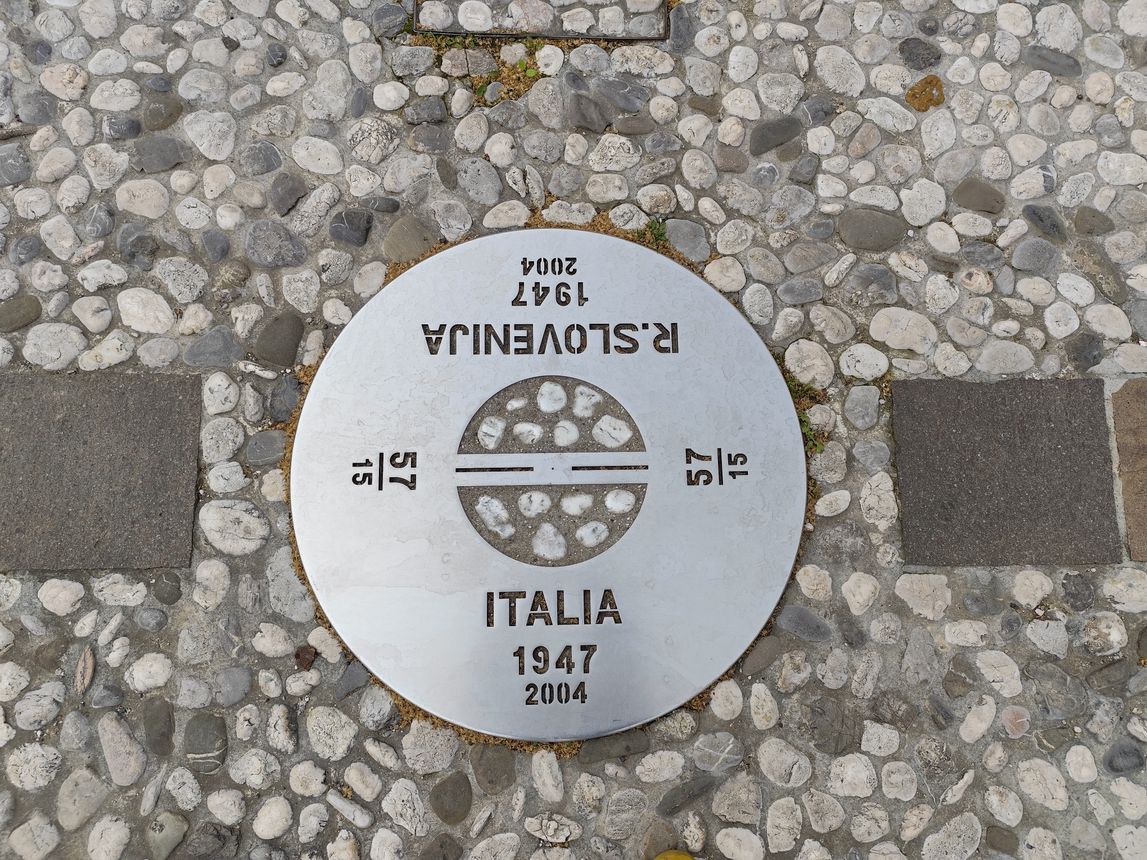
Trg Evrope/Piazza della Transalpina ©Photo: Blaž Kosovel
1 / 6
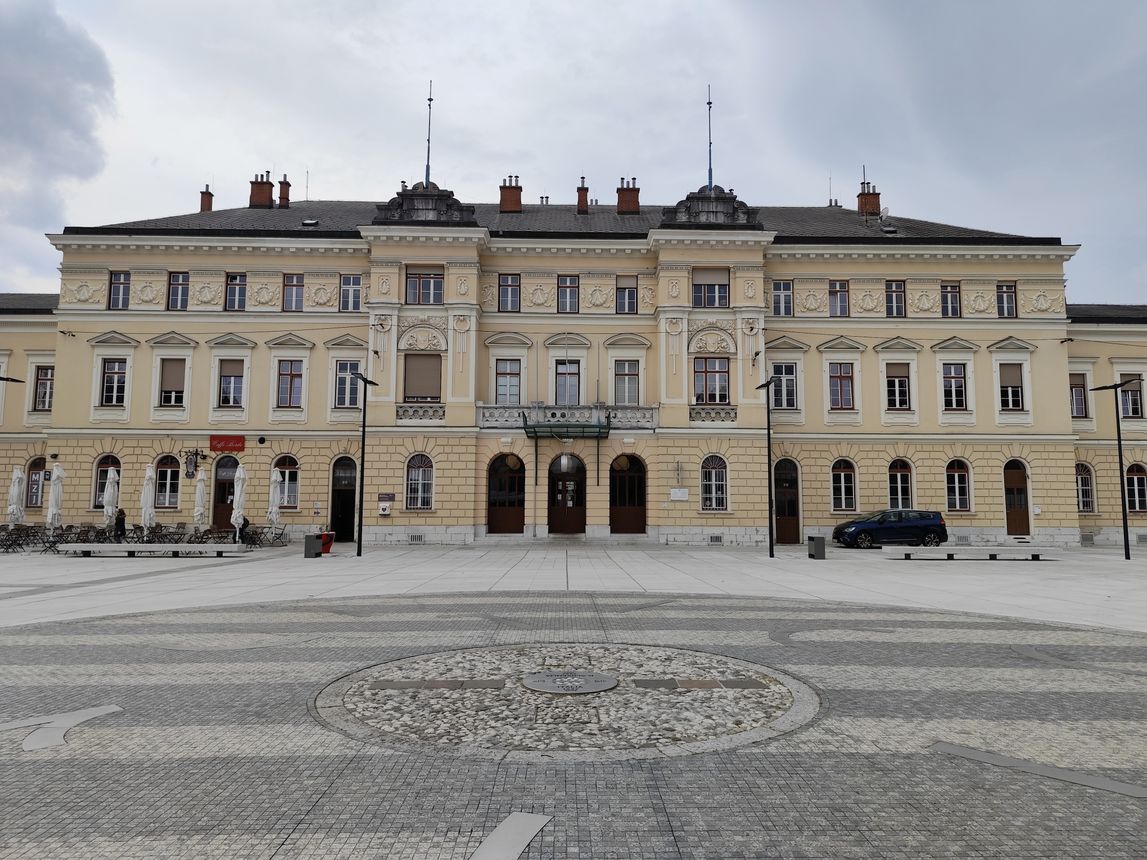
Train station at the square Trg Evrope/Piazza della Transalpina ©Photo: Blaž Kosovel
2 / 6
3 / 6
©Photo: Blaž Kosovel
4 / 6
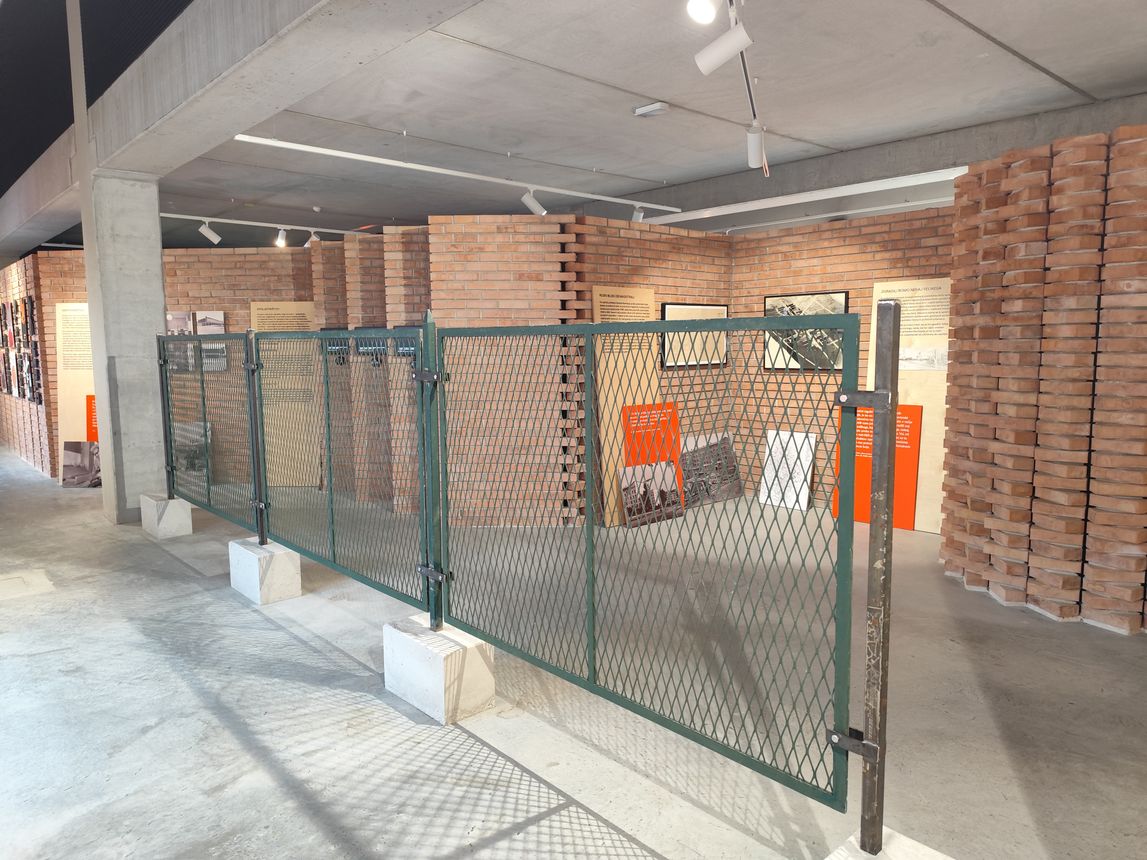
©Photo: Blaž Kosovel
5 / 6
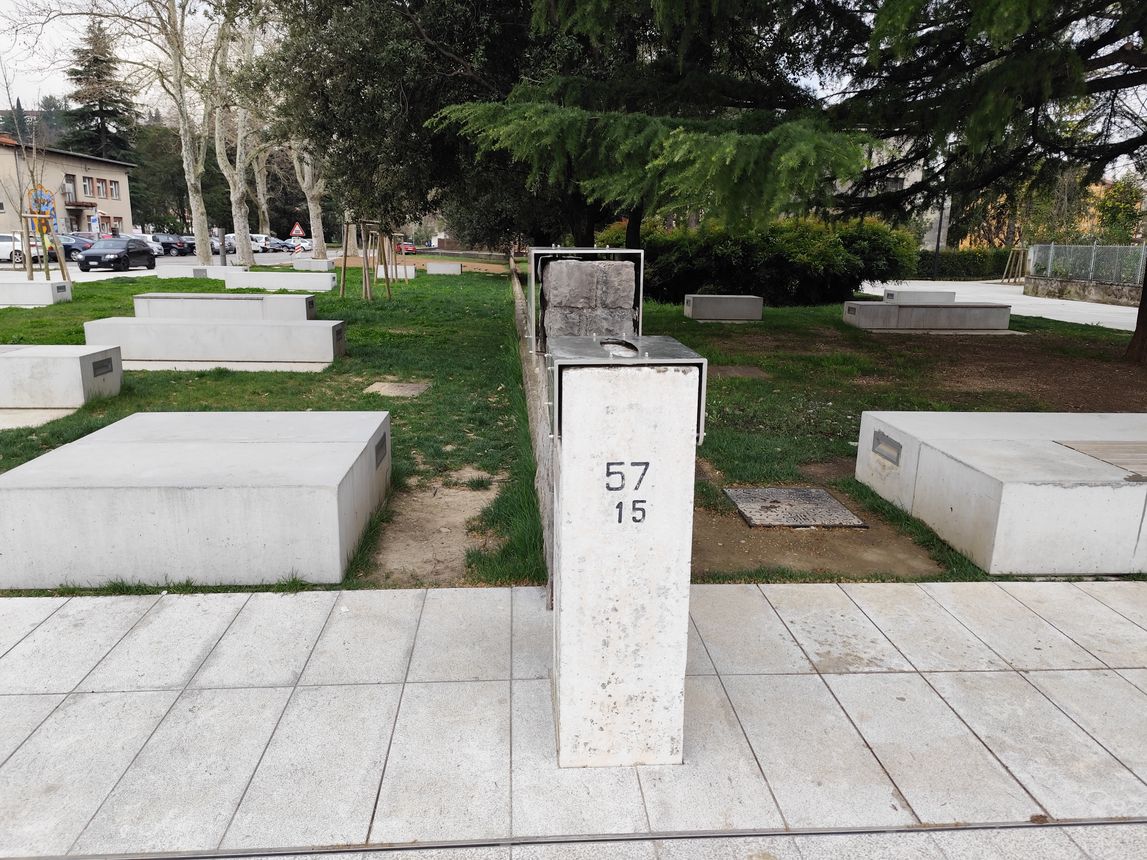
Border marker in the square Trg Evrope/Piazza della Transalpina ©Photo: Blaž Kosovel
6 / 6
The Goriška region (Il Goriziano in Italian) is one of the few named after its capital town. Yet it is also a region where the capital does not play the leading role. Incredibly diverse, it stretches from the Alps to the Adriatic Sea, with a strong sense of identity rooted in the smaller towns and villages that together form a varied landscape mosaic.
The same is true of the town known as "Gorica." Rather than a single settlement, it is a cluster of different places, connected and divided by a turbulent history, which together weave the tapestry of this town.
In the Slovenian rankings, Nova Gorica, with 13,000 inhabitants, does not even appear among the ten largest towns in Slovenia. Such lists focus on formal definitions and fail to reflect the reality of the territory. Technically, Nova Gorica consists only of the part planned in 1947, along with a few earlier buildings later absorbed into the new town.
Nevertheless, Nova Gorica is just one part of a larger area that extends across the border. This unit includes Solkan, Kromberk, Pristava, Rožna Dolina, and Šempeter on the Slovenian side, and Gorizia (often called Old Gorica by residents of Nova Gorica), Piedimonte (Podgora), Sant’Andrea (Štandrež), Lucinico (Ločnik), and Savogna d’Isonzo (Sovodnje ob Soči) on the Italian side. Together, they form a unified urban fabric with about 70,000 inhabitants. Architect Edvard Ravnikar once referred to it as Velika Gorica ("Great Gorica"); however, it is more commonly known as the Gorizia conurbation today. As a single cross-border urban entity, it is smaller in population than only Ljubljana and Maribor in Slovenia.
Avtor: Miha Kosovel