


Iztok Mlakar
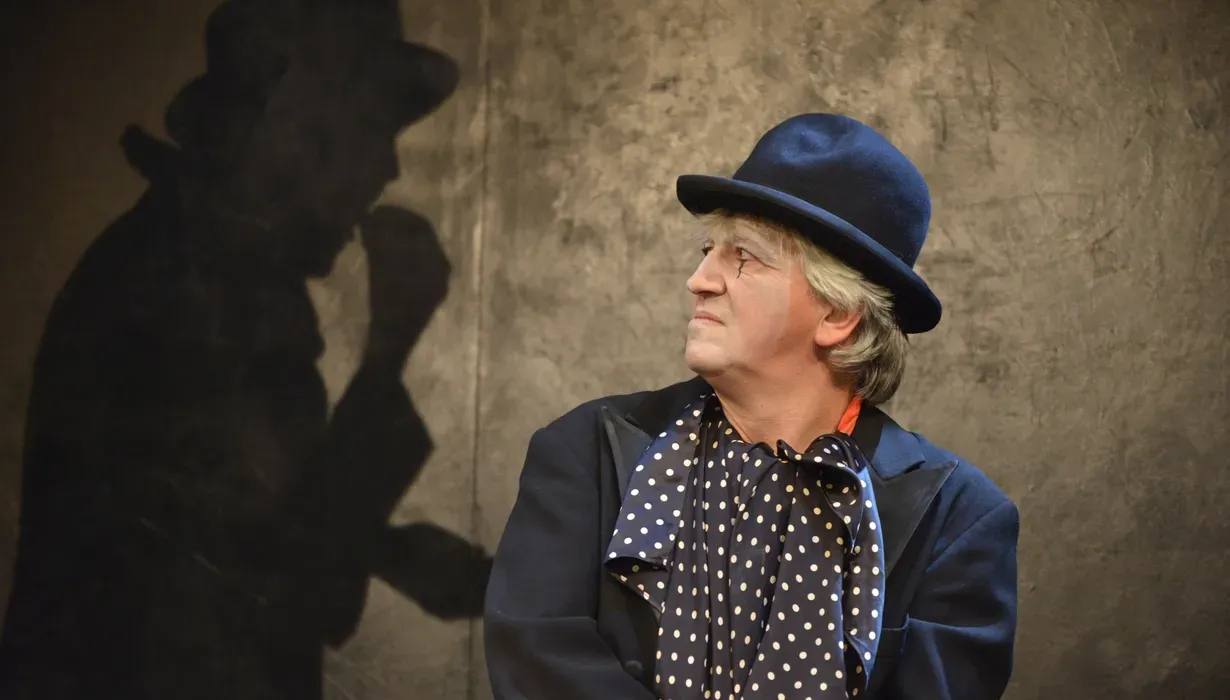
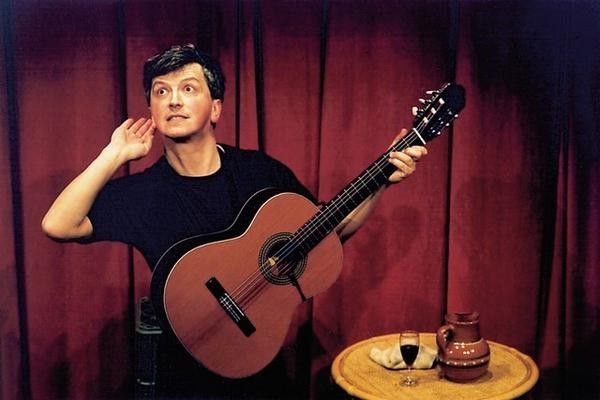
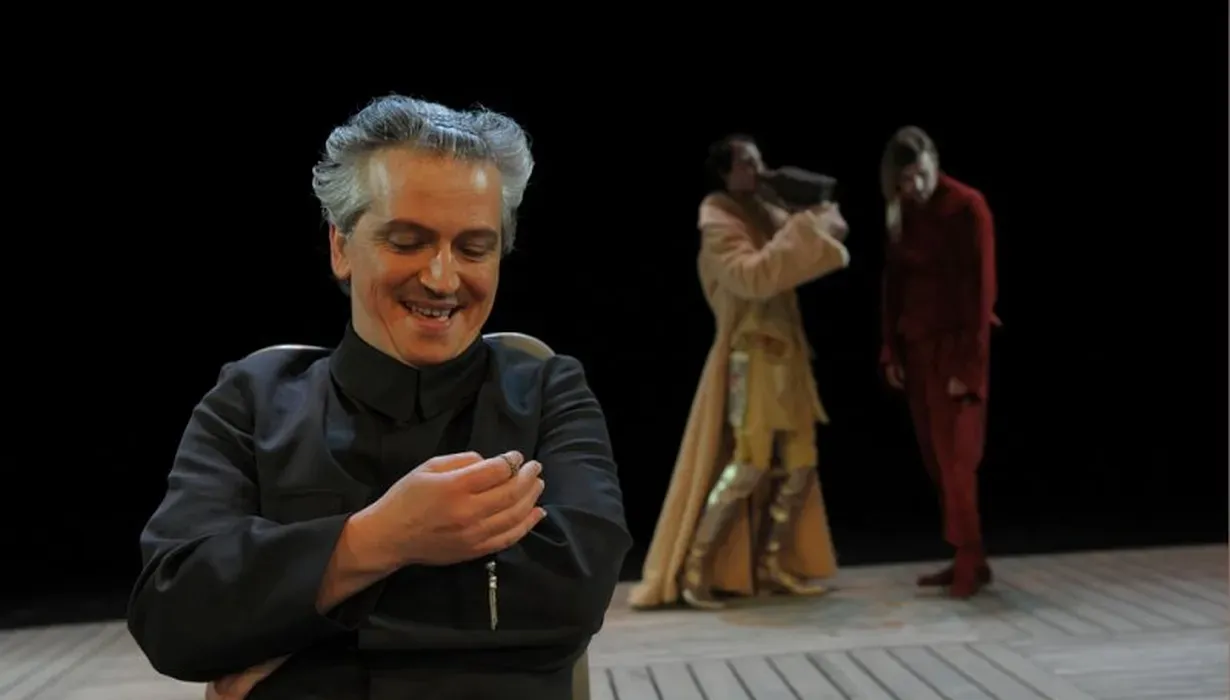
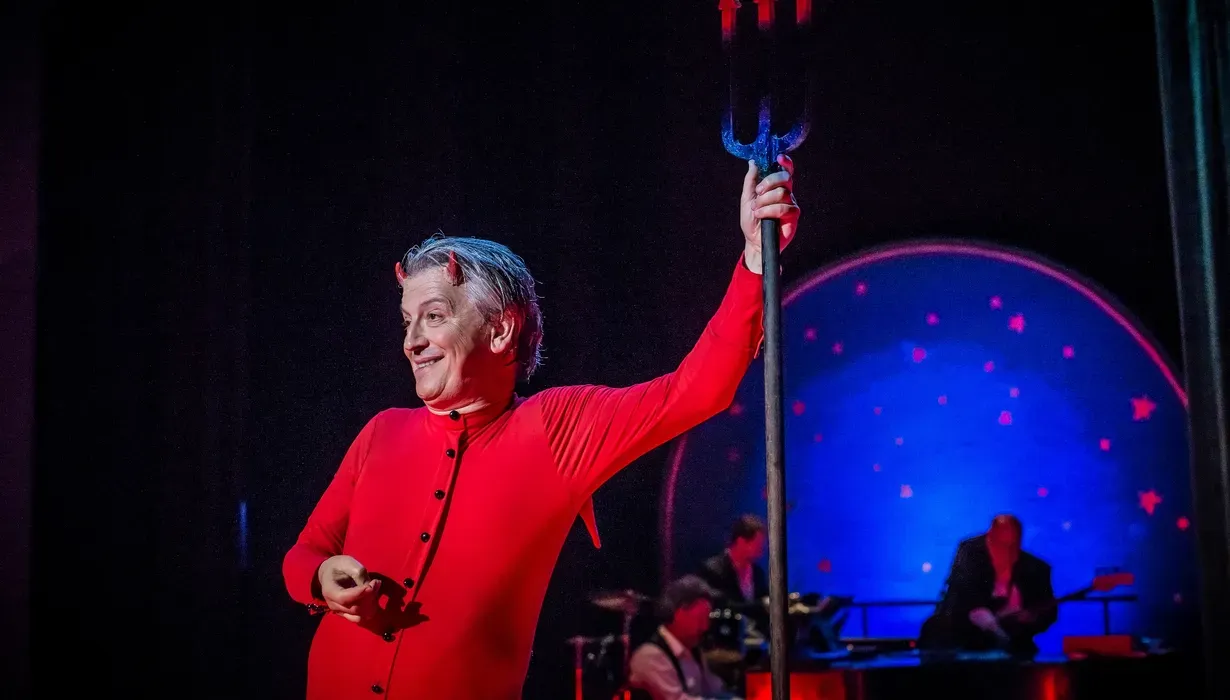
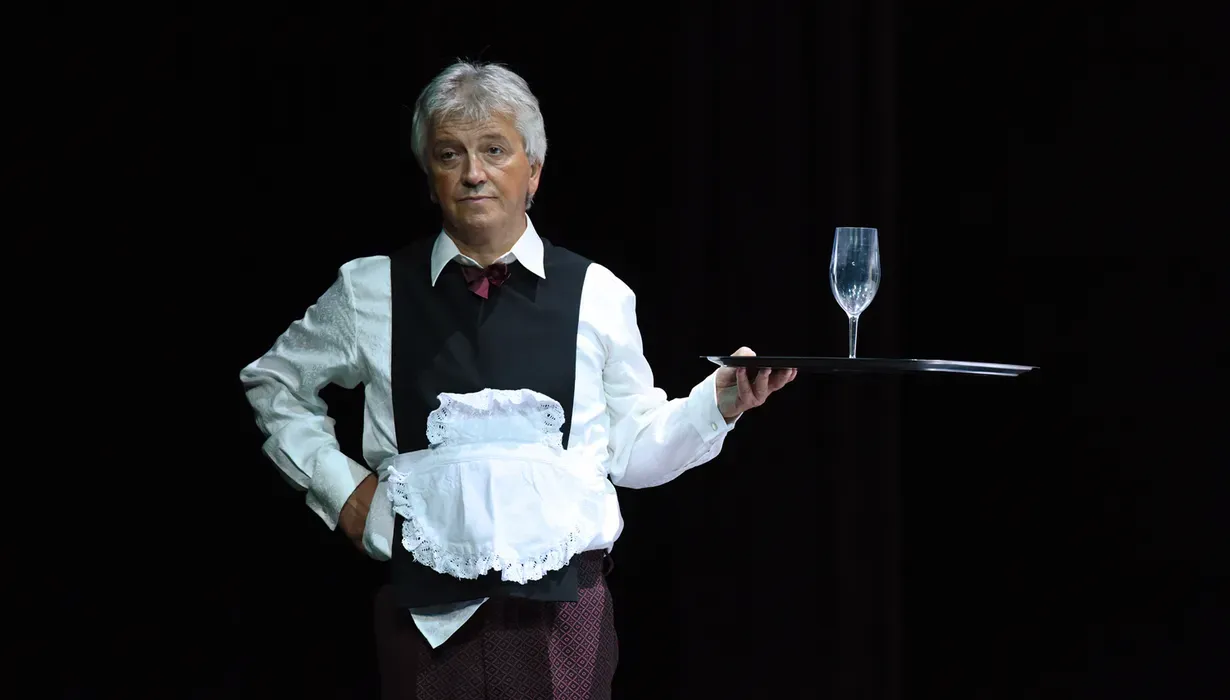
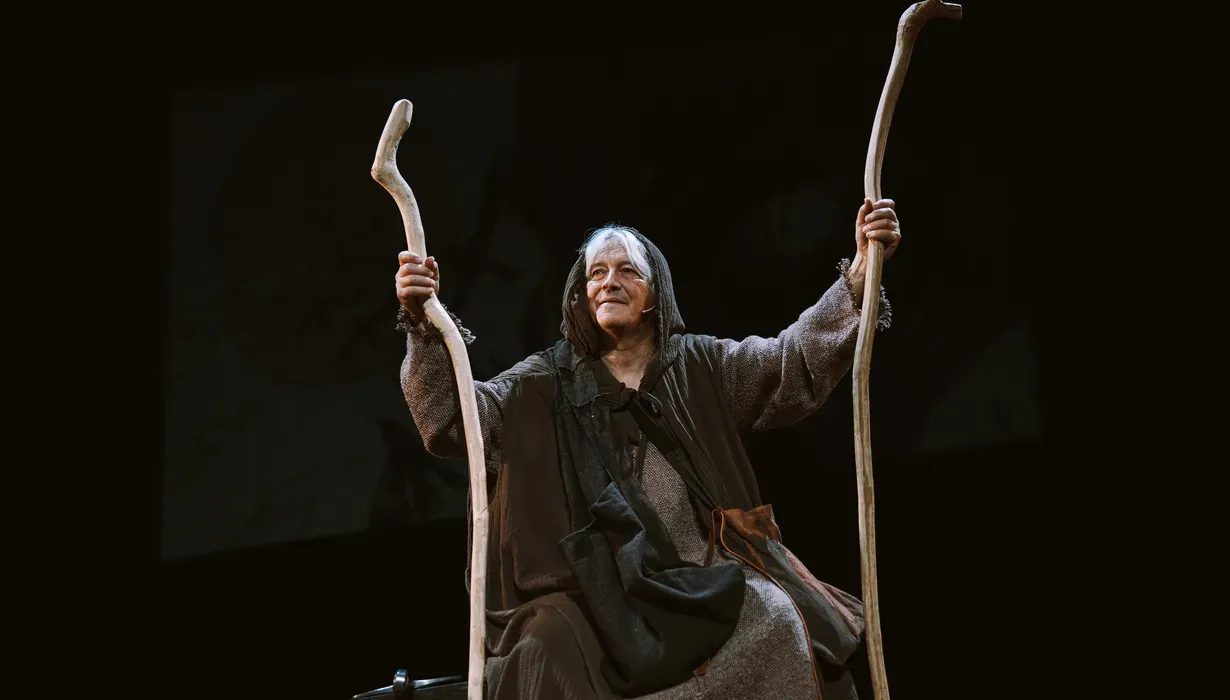
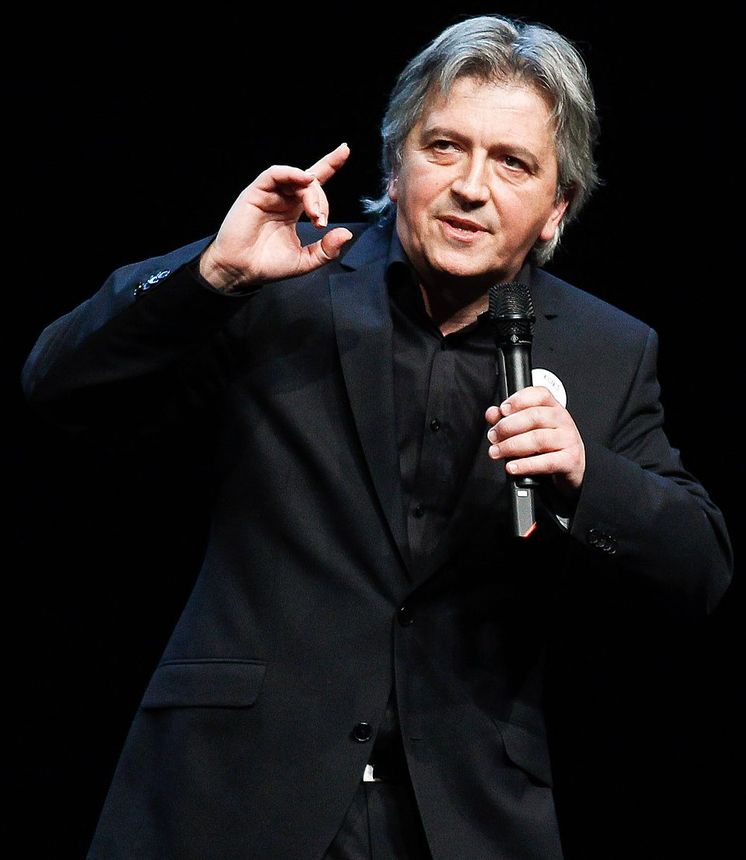
Iztok Mlakar (1961) – actor, performer, chansonnier and a sharp observer of the world – is not merely a regional but a national treasure that should be preserved at all costs. One often wonders what it would be like if his dramatic works and music were understood not only by a handful of people beneath the Alps, but by the wider world. There is hardly a person from the Primorska region who did not grow up with the timeless verses of this poet from Gorizia or laugh to tears at one of his theatrical hits, such as the musical comedy Duohtar pod mus! (2006). The production saw more than 200 performances and remains the highest-rated show in the history of the Days of Comedy festival in Celje. His versatility as an actor, which he has demonstrated since 1984 as a member of the Slovene National Theatre Nova Gorica, may stem from his further training after graduating from the AGRFT, where he specialised in early Italian theatre, commedia dell’arte, and pantomime. Among his other notable works are Sljhernik (2011), with over 180 performances, and Pašjon (2015), for which he also wrote the script and music.
There is an unwritten rule that people from Primorska should know at least some of his evergreen verses—even if woken up at three in the morning. He is beloved because his wisdom, rooted in the traditions of Shakespeare, commedia dell’arte, and tavern debates, is never wrapped in an elitist or hermetic language. In his imaginative and humorous authorial chansons—rich in specific historical, cultural and linguistic references—he mostly sings about timeless themes: from love to death, from the joy brought by good pancetta and a glass of Rebula wine to the struggle of the common person against the system, as in the classic Karlo Špacapan (whether faced with Austro-Hungarian tax collectors or socialist officials—none of them will mess with him!).
His first release, Štorije in baldorije (1990), brilliantly captured the late-socialist spirit of its time, followed four years later by the outstanding Balade in štroncade. Today, both albums are considered peaks of Slovenian singer-songwriter music, featuring classics such as Pepi Žbaradorija, En glaž vina mi dej, Republika Palma de Cocco, Od Franca Frančeškina god, Vandima and Brika (Ki b’ rad). We must also highlight the indispensable role of his long-time collaborator David Šuligoj, who has been responsible for the arrangements and instrumental parts (accordion, guitar) of all his songs from the very beginning. Particularly groundbreaking was his third album, Rimarije iz oštarije (2001), which many of us listened to obsessively on Sunday outings. Alongside evergreens like Ivo Balila and Marjo Špinel, songs such as Čikorija and Briškula stand out—without a doubt among his most moving works, always stirring deep emotion and often bringing tears to the eyes.
Mlakar, recipient of the Ježek Award and the Golden Flute lifetime achievement award, has in recent years further cemented his status as an inimitable troubadour of Primorska with the albums Romance brez krjance (2008) and Porkaeva! (2017). Few artists at the turn of the 21st century have managed to depict life in Primorska—past and present—with such vividness, wit and sincerity, distilling the very essence of the region’s spirit as Iztok Mlakar has done.
Avtor: Jaša Bužinel