


Anton Laščak
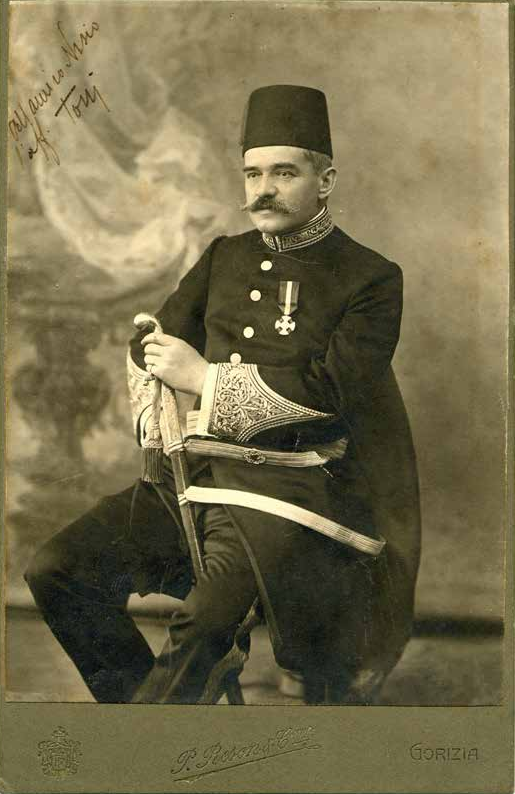
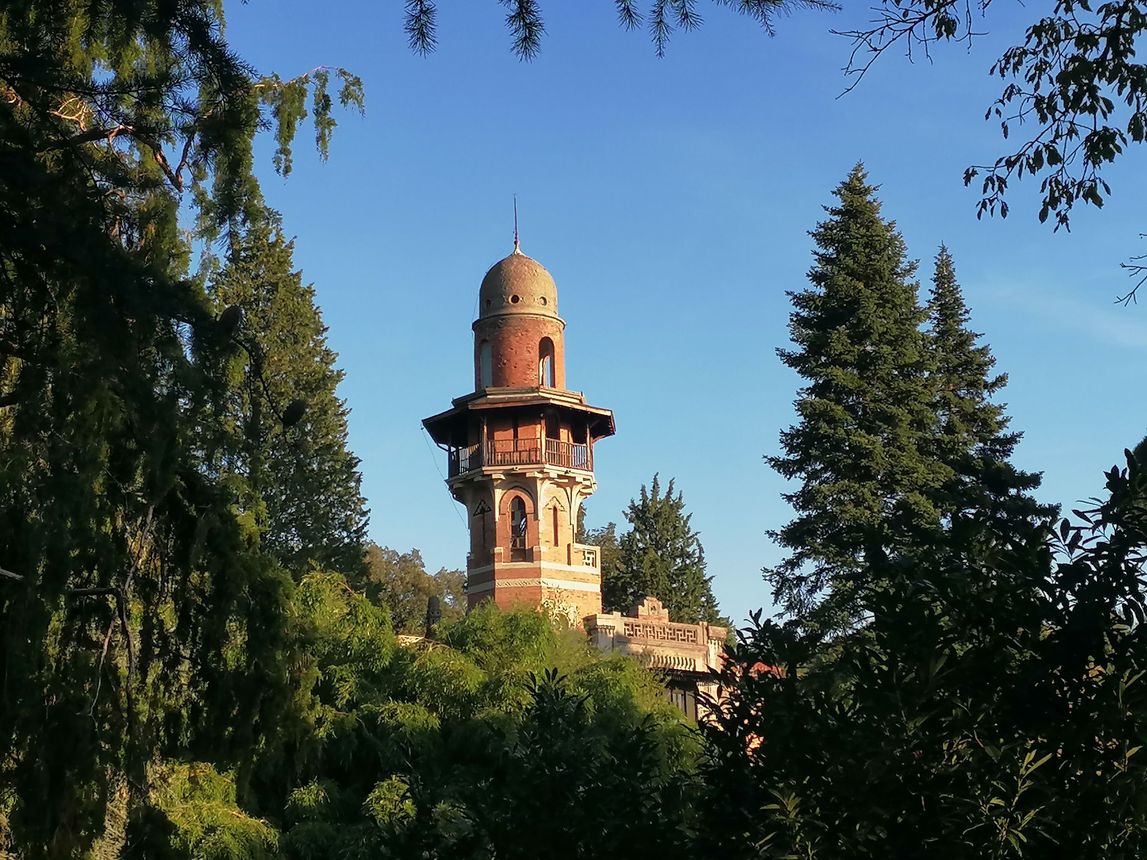
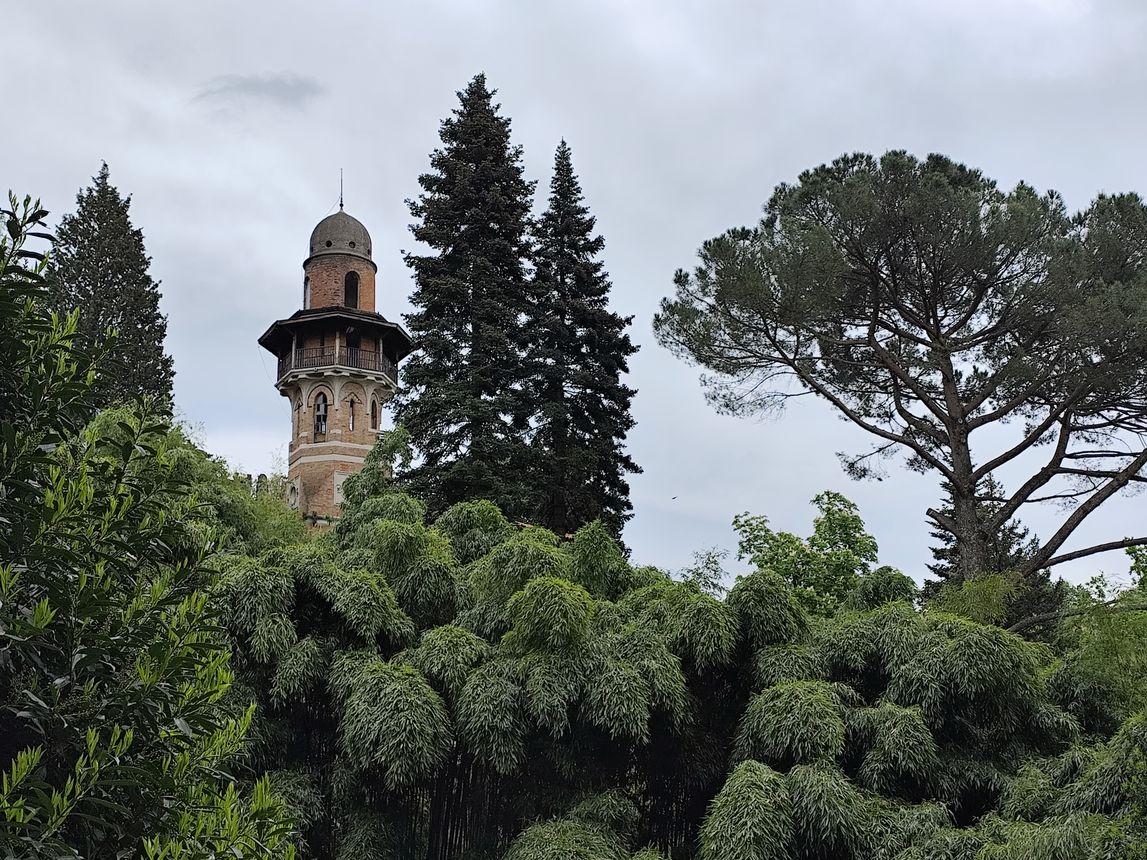
Anton Laščak (1856–1946), also known as Antonio Lasciac, was born in Gorizia in 1856. After studying in Vienna and spending a short period working in Gorizia, he moved to the other side of the Mediterranean in 1882. There he quickly established himself as a designer of lavish palaces for the wealthy bourgeoisie, as well as churches, banks, insurance companies, and public institutions. He worked in various architectural styles of the time, ranging from Neo-Baroque and Neo-Renaissance to Secession.
After a brief period in Italy, he returned to Cairo, where he became the personal architect of Prince Said Halim. His clients were no longer the bourgeoisie but the aristocracy, until in 1907 he was appointed court architect by the ruler himself and granted the title of bey. He initially designed grand and imposing palaces in a Neo-Baroque style, but increasingly sought to develop a distinctive “Egyptian style” with which the entire population could identify.
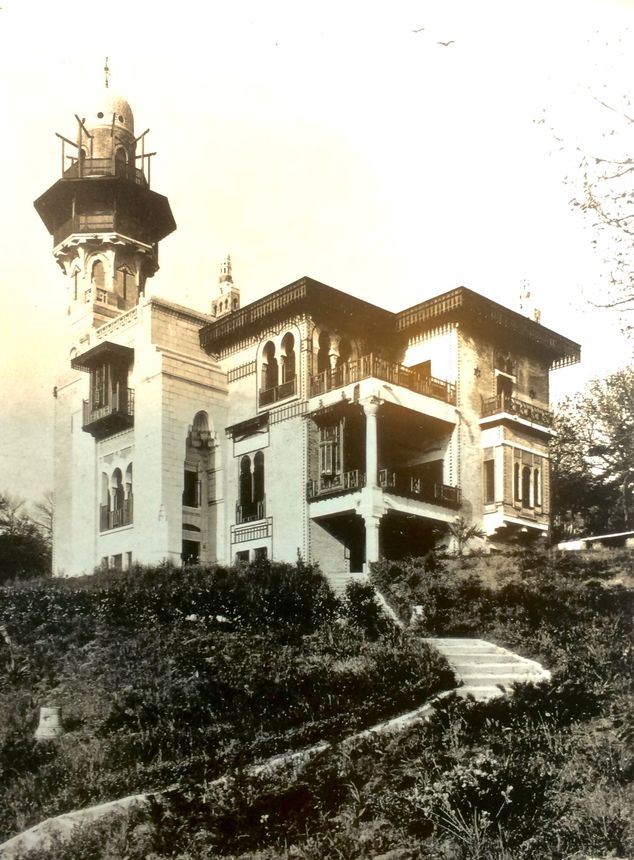
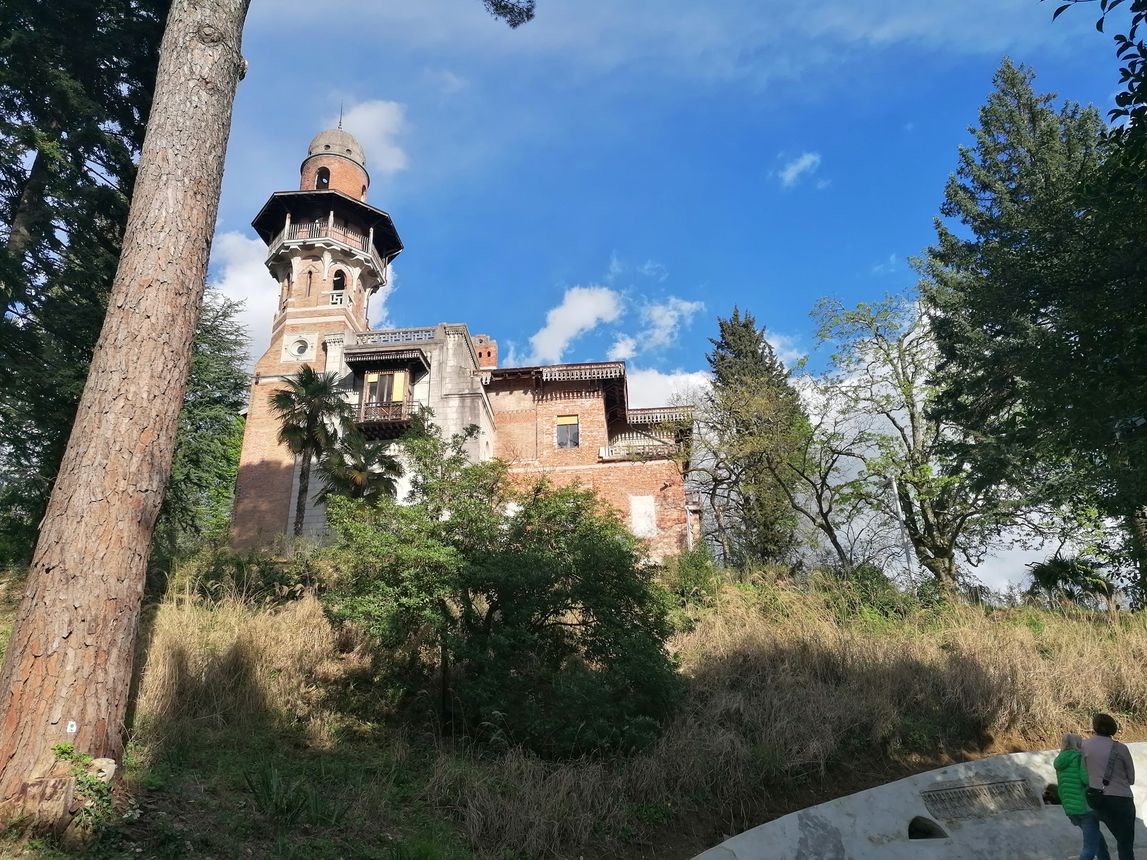
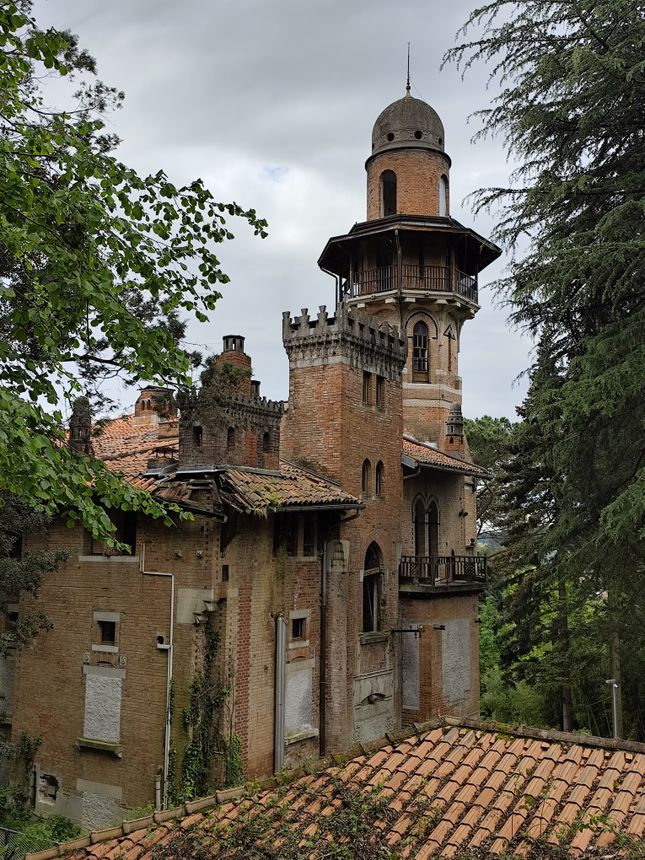
At a time when the capital was being modernised in the image of Paris, he convinced the Egyptian elite not to simply imitate Europe, but to create a style of their own. This synthesis of traditional Mamluk architecture, Secession, and modern construction techniques gave rise to what became known as the Neo-Islamic style. In this style, he also completed his private residence below Rafut, near his native Gorizia, in 1914. However, he lived there only briefly: shortly after the outbreak of the First World War, the villa was destroyed, and even after its reconstruction it served as his residence only for a short time. The villa remains a unique example of this style in Slovenia and the surrounding region.
Avtor: Blaž Kosovel

Tags
Povezani članki
Rafut Park and Laščak Villa