


Furenga in Nova Gorica
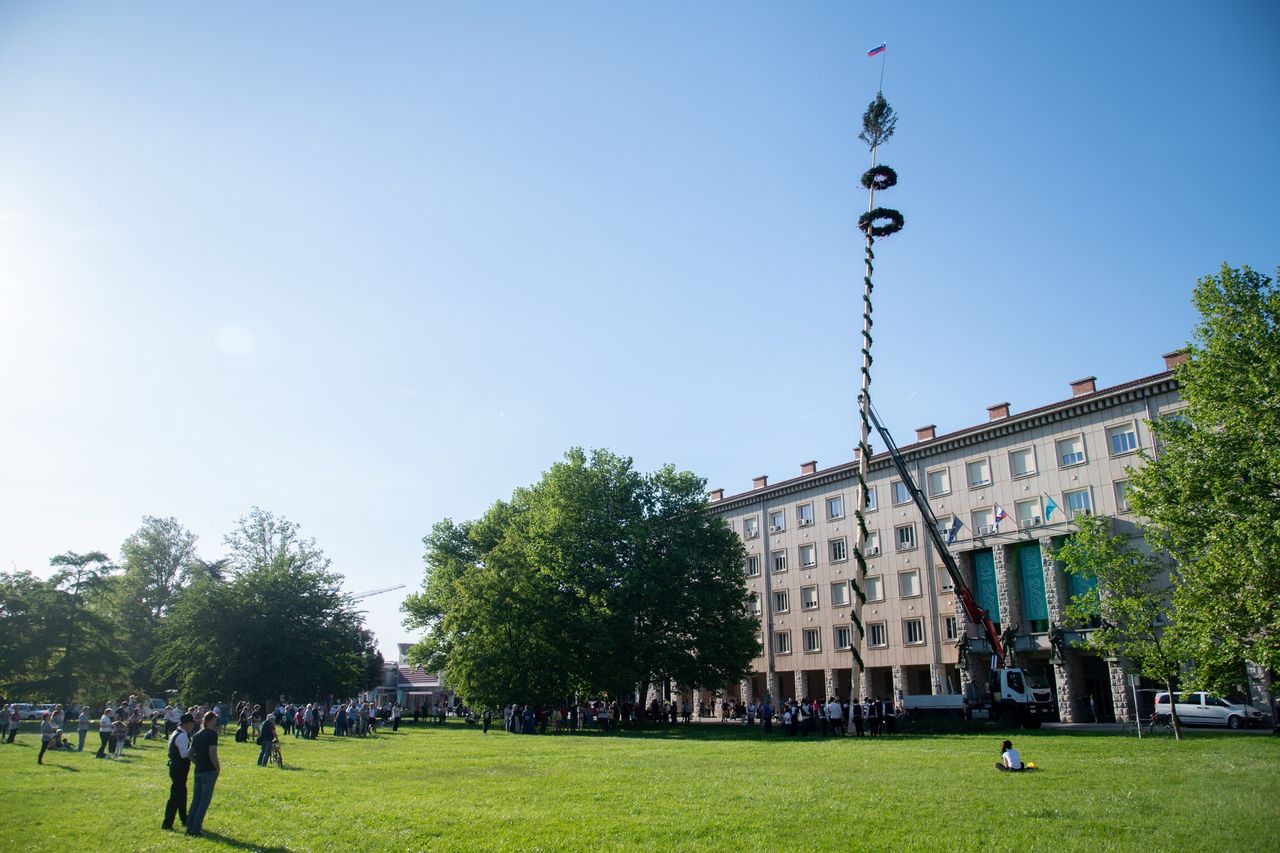
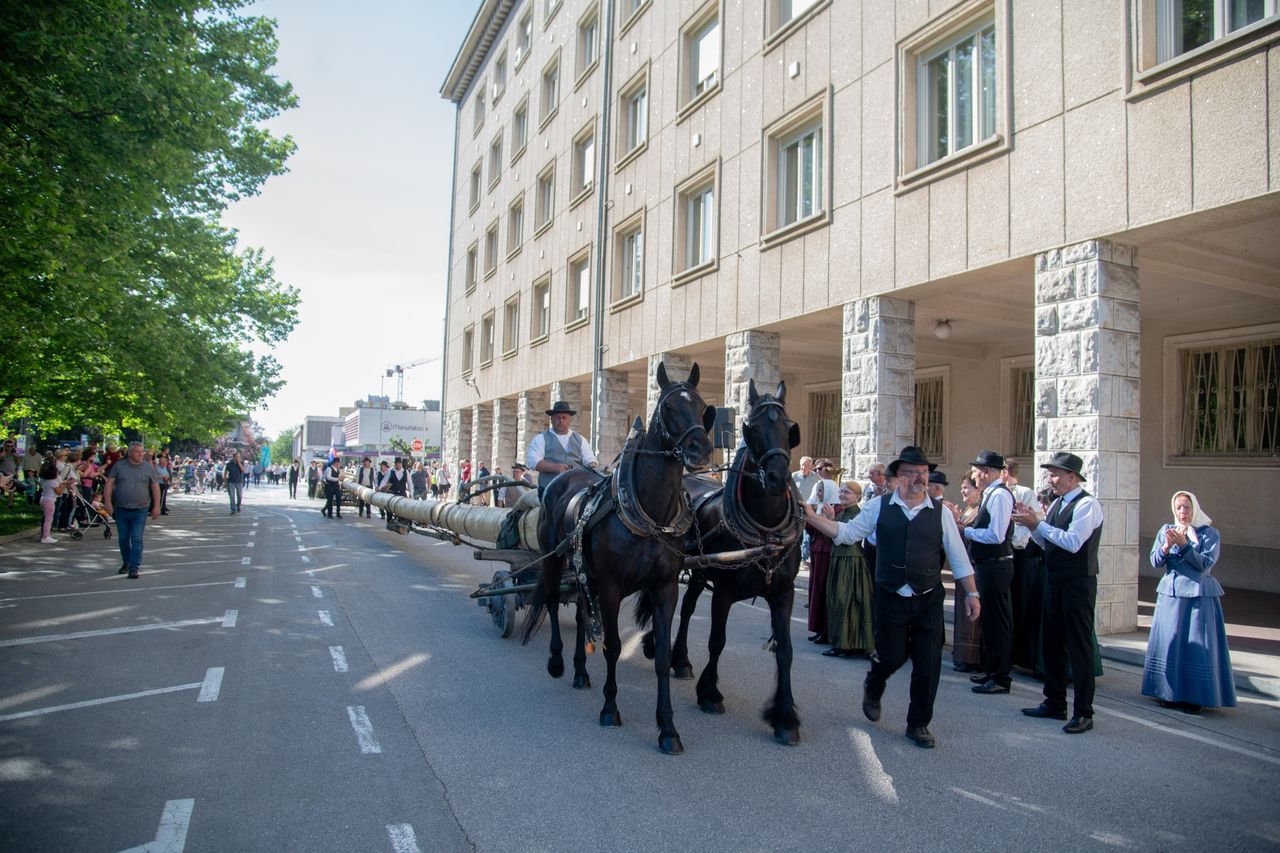
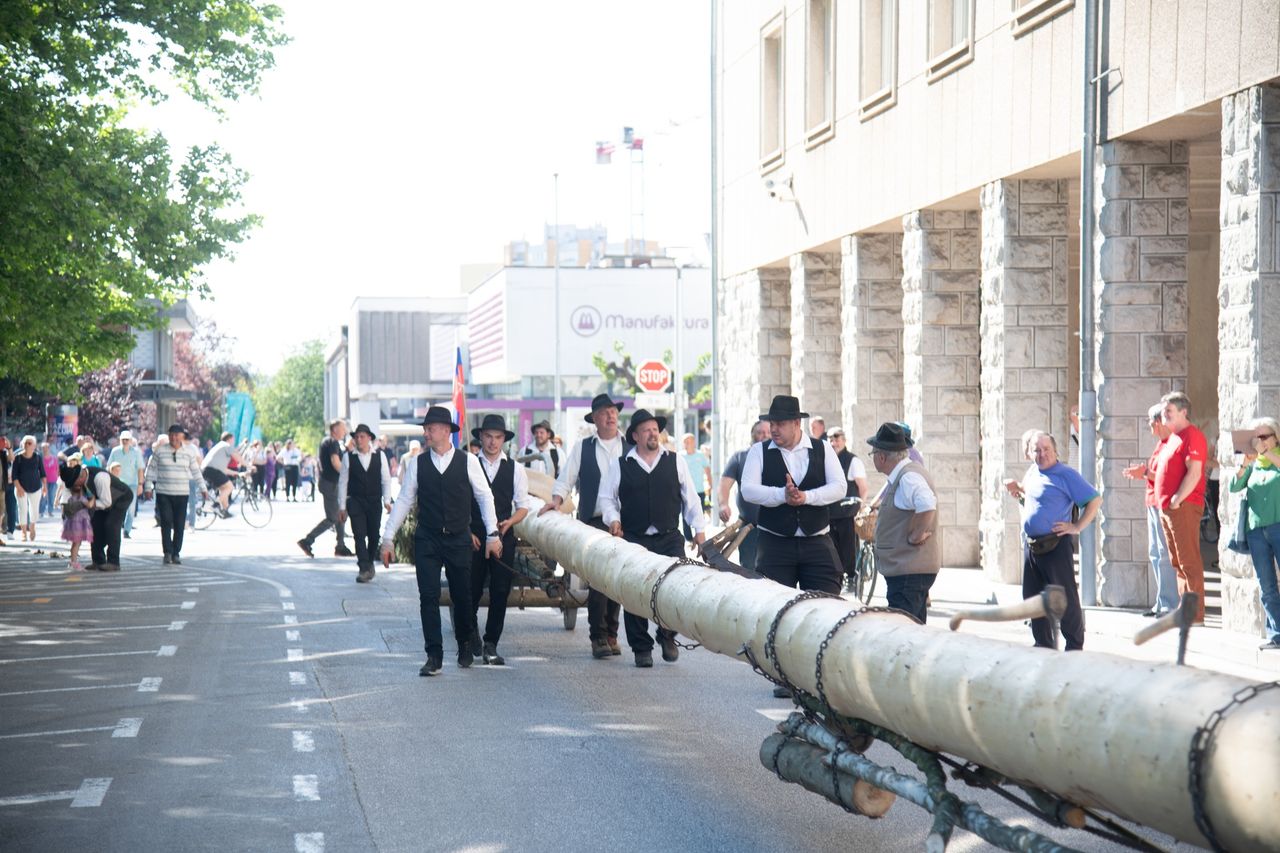
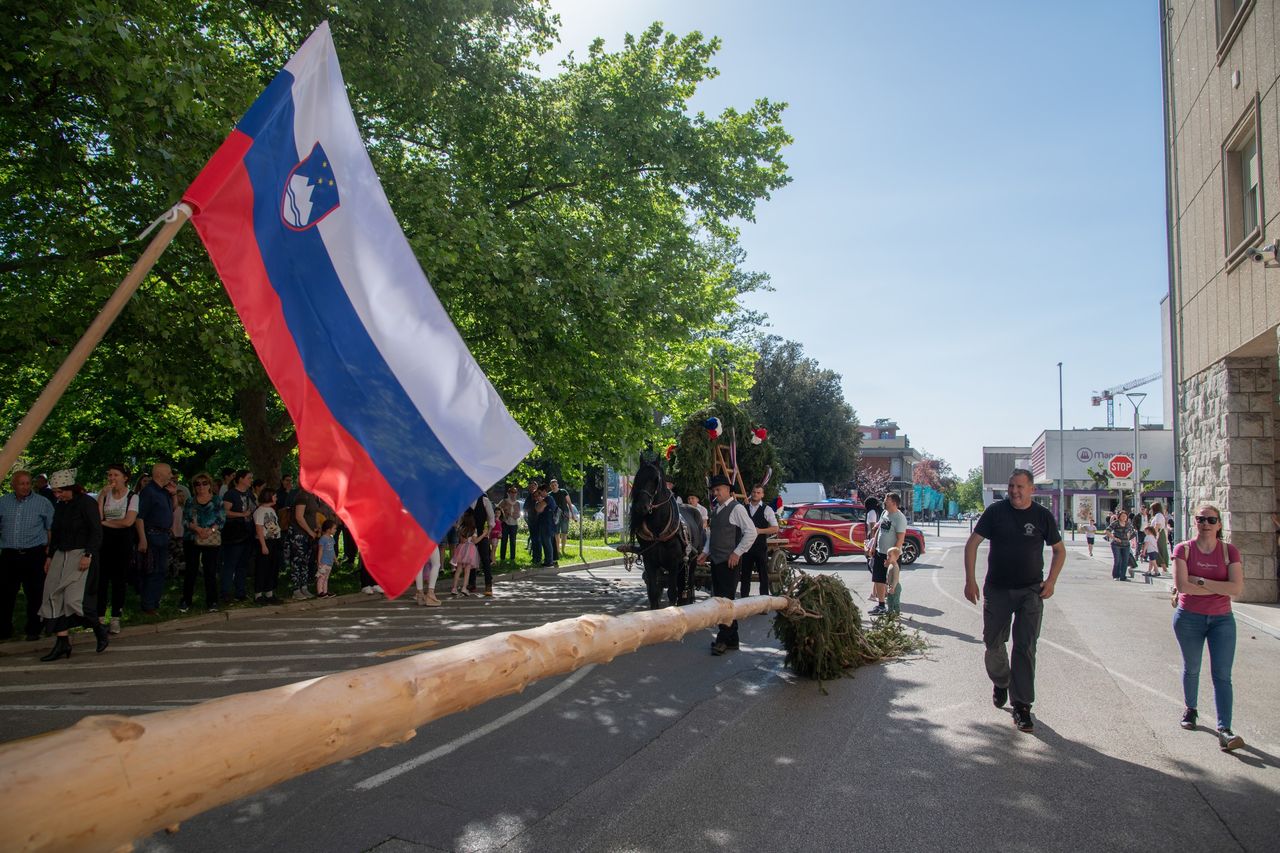
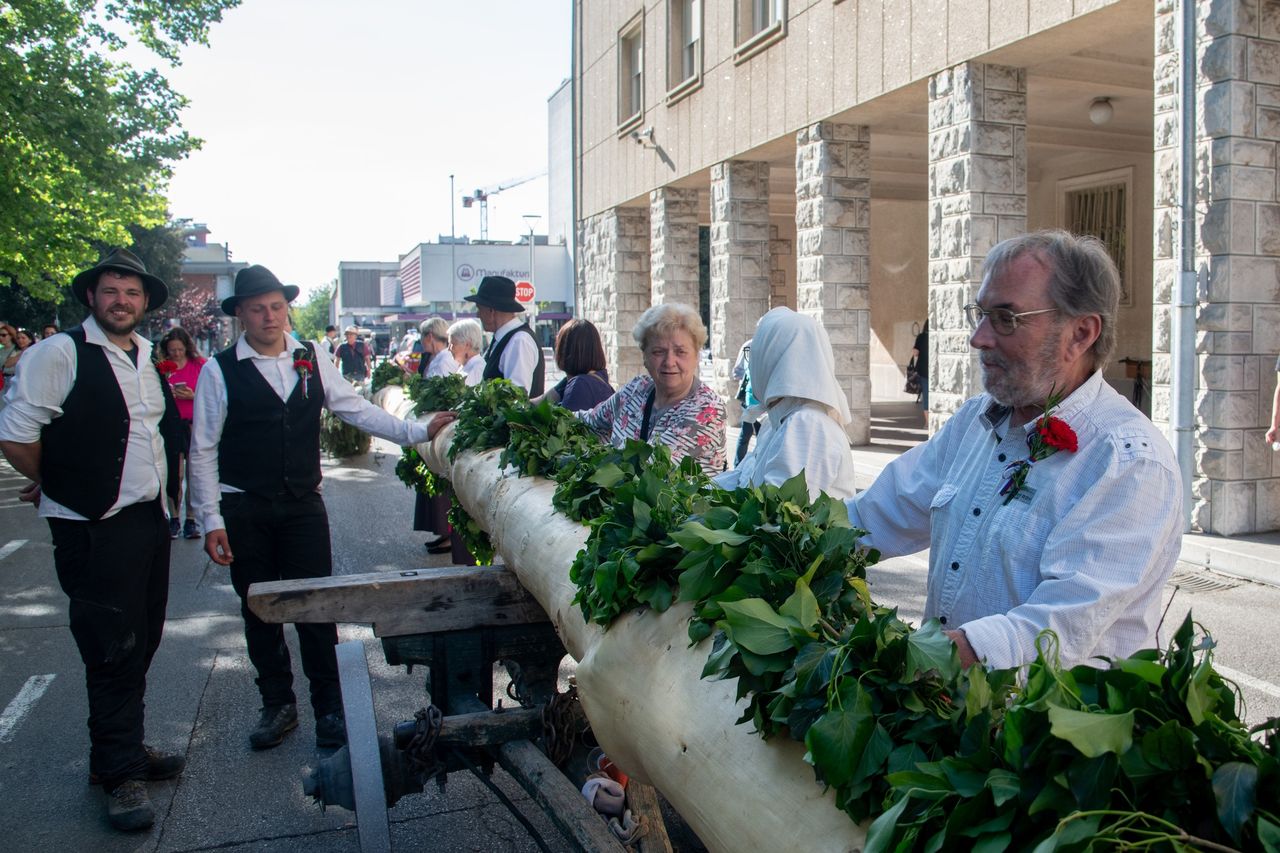
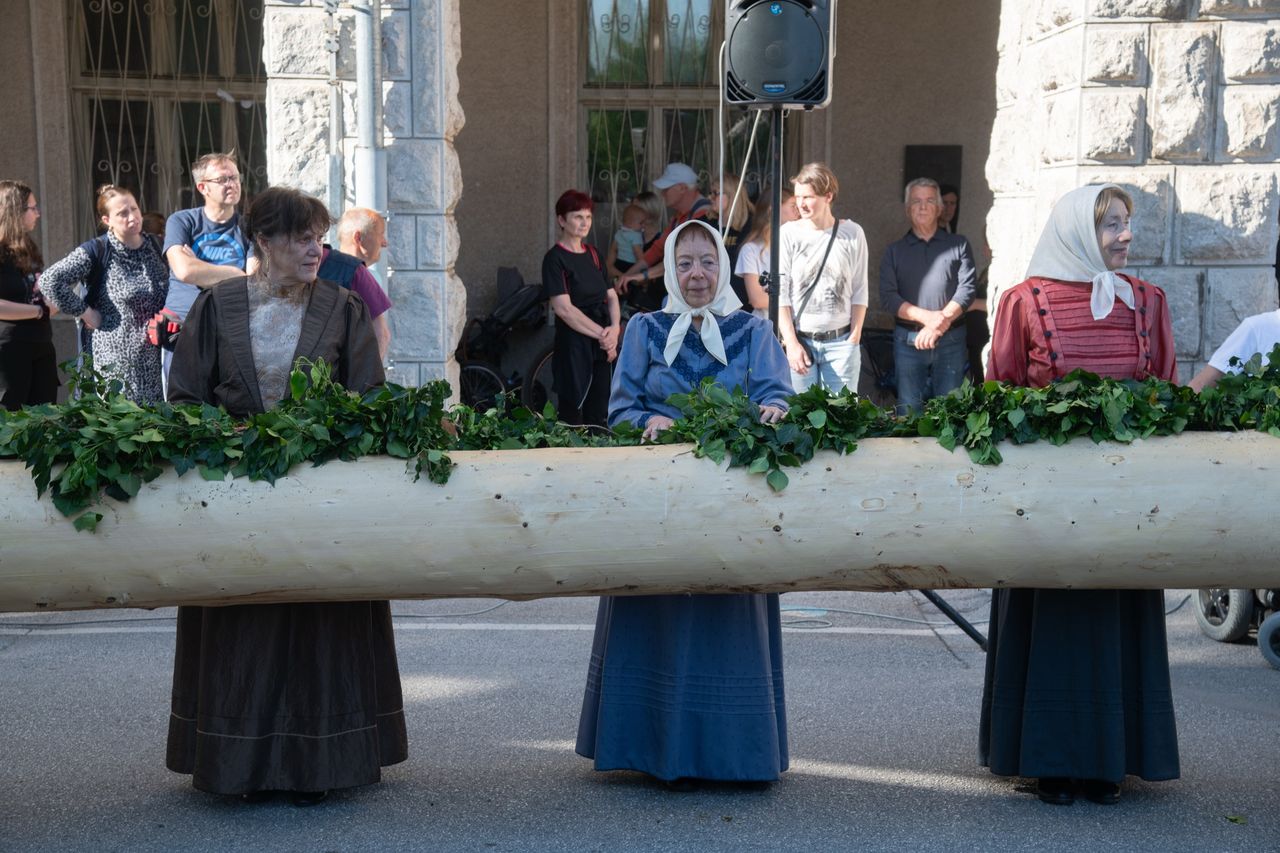
Furenga is a traditional transport of the maypole from Trnovo to Nova Gorica, which takes place the day before May 1st. It has been held since 2002.
“With the Furenga project, which we organise in cooperation with the Goriška Museum, the Doli association, and the Trnovo carters, we preserve cultural heritage”
(Katarina Strosar, member of the Goričanke association).
Although there are several types of maypoles and various theories about the origins of the custom of erecting them, they all share a common meaning: the maypole symbolizes celebration and joy. The custom originates from pre-Christian times and represents the celebration of spring’s return and the growth of trees that appeared dry and lifeless throughout late autumn and winter.
The oldest records and depictions of maypoles date back to the 13th century. At that time, French high nobility celebrated May festivities with games, dances, and excursions into the forests, returning with decorated green branches or small trees. The custom was widespread among the nobility. Over time, erecting maypoles remained a form of celebration, no longer limited only to spring festivities, rebirth, and love, but also marking personal or collective occasions.
Maypoles were erected at important social events or personal achievements. Large maypoles were, for example, raised to commemorate military victories or the unveiling of monuments, while today they are often set up for weddings or milestone anniversaries (Makarovič 2008).
Until 2012, the museum organised the transport in cooperation with the Association for the Revival of the Lokavec Heritage. Since carting traditions were historically well developed in Trnovo and people made a living from them, locals decided to revive this knowledge. With the help of the Doli association, men and boys from Trnovo began participating in transporting the maypole to Nova Gorica. The event is also enriched by Slovenian folk songs, which have always been present on the Trnovo Plateau.
The key features of the event include the felling of the tree, loading it onto a wagon, transporting it to the city, and erecting the maypole on the lawn in front of the Nova Gorica municipal building. At various workstations and stops along the route, traditional economic and craft activities are demonstrated, accompanied by a rich cultural programme.
The event also involves the Aktiv mestnih žena in deklet Goričanke, who, together with residents of Nova Gorica, weave an ivy garland used to decorate the maypole. According to the association’s president, older residents of Nova Gorica—many of whom moved to the city from rural areas—“light up when they see the horses, when they show children the horse-drawn carriage, when they persist and take pride in having once been rural people” (interview recorded in October 2022).
Avtor: Jasna Fakin Bajec
Vir:
- Blažko, Boris, 2017. Društvo za oživljanje lokavškega izročila, zgodovina furenge Vir: https://www.facebook.com/groups/drustvo.doli/posts/1679273998755658/ (ogled 13. 10. 2024).
- Blažko, Boris, 2017. Goriški mlaj 2017: zloženka. Solkan: Goriški muzej. https://www.facebook.com/photo/?fbid=1301718969896644&set=pcb.1679273998755658 (ogled 13. 10. 2024).
- Makarovič, Gorazd. 2008. Razvoj majev in mlajev na Slovenskem. Etnolog. Nova vrsta (Ljubljana), letnik 18=69, številka 1. URN:NBN:SI:doc-S5CQWRG9 from http://www.dlib.si

Tags
Povezani članki
Goričanke - Aktiv mestnih žena in deklet