


Theatrical Personalities
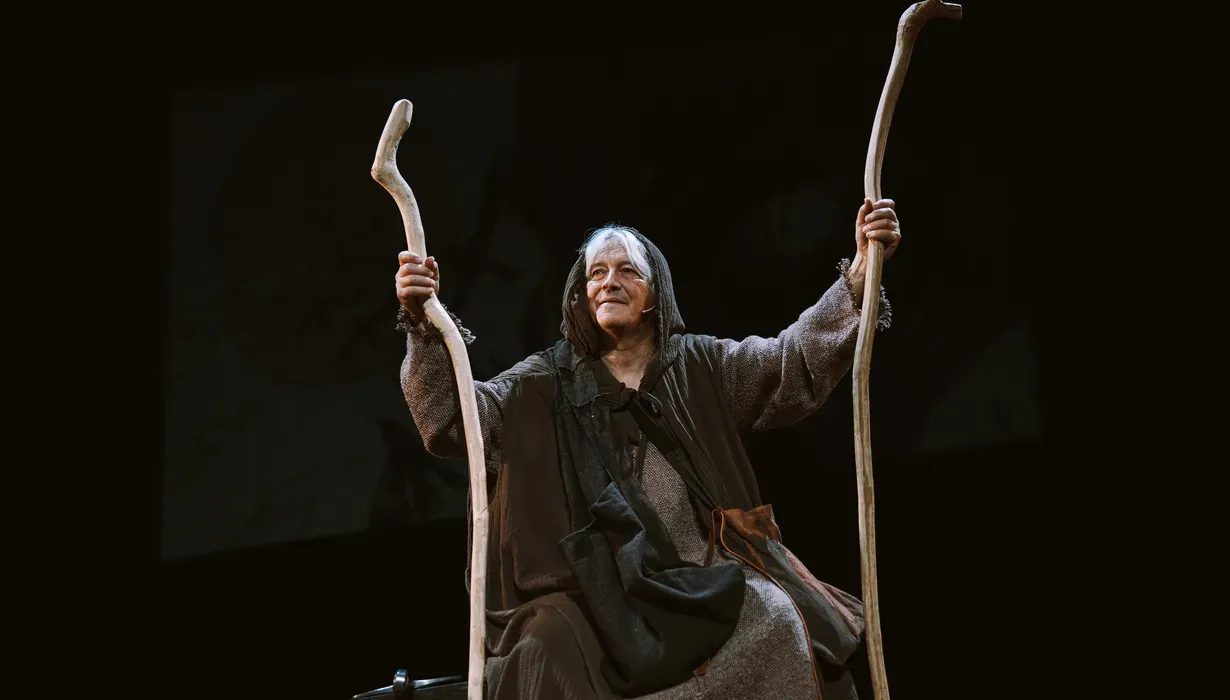
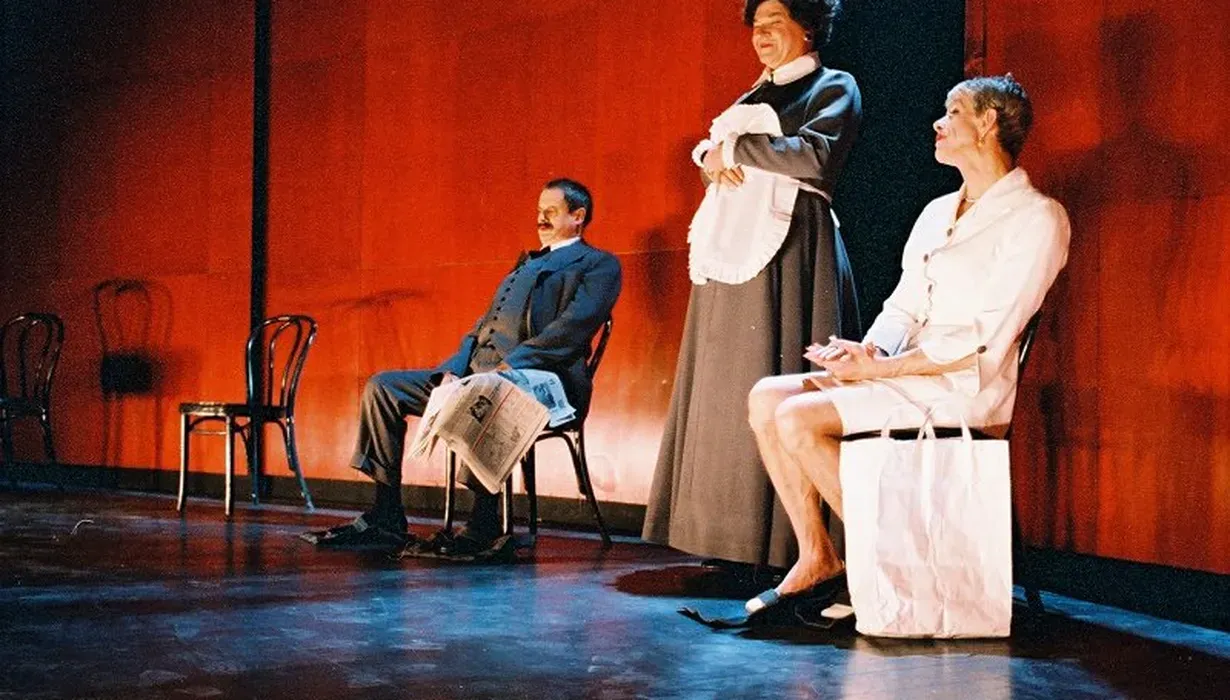
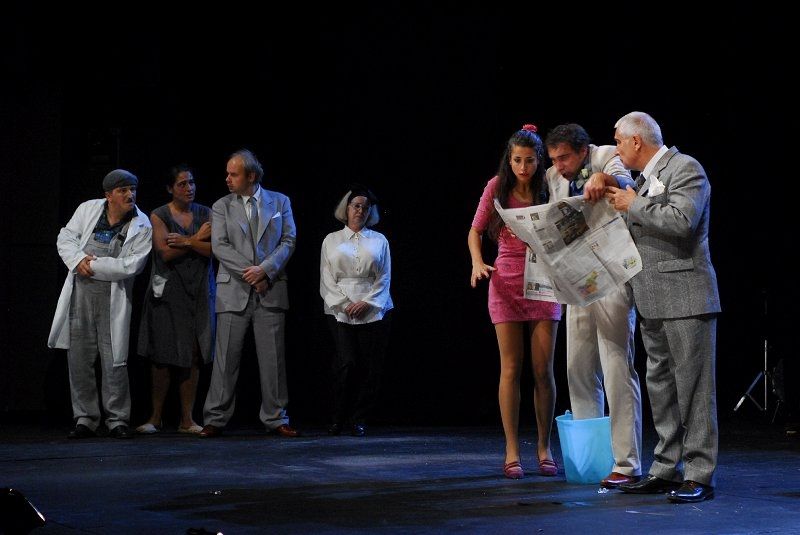
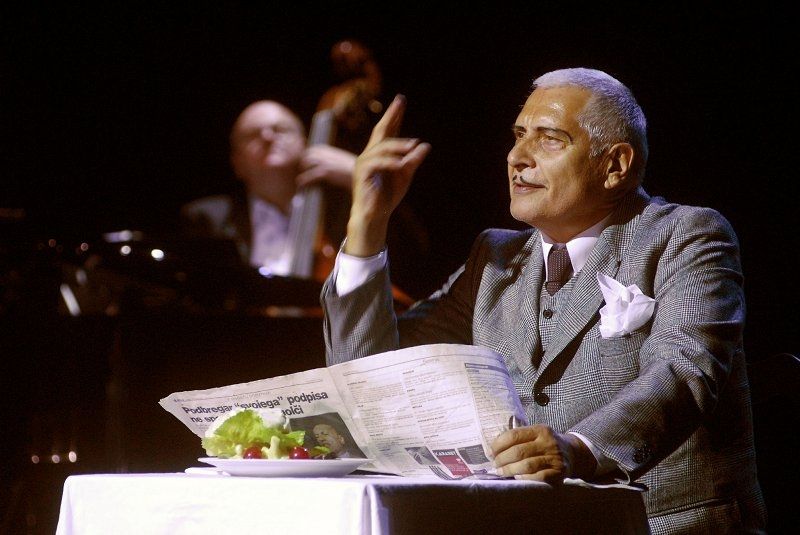
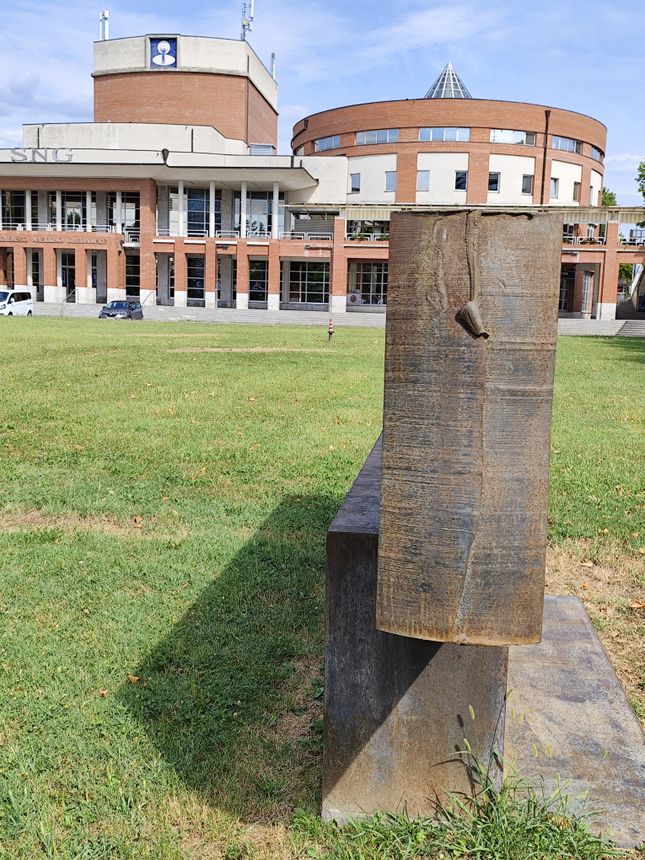
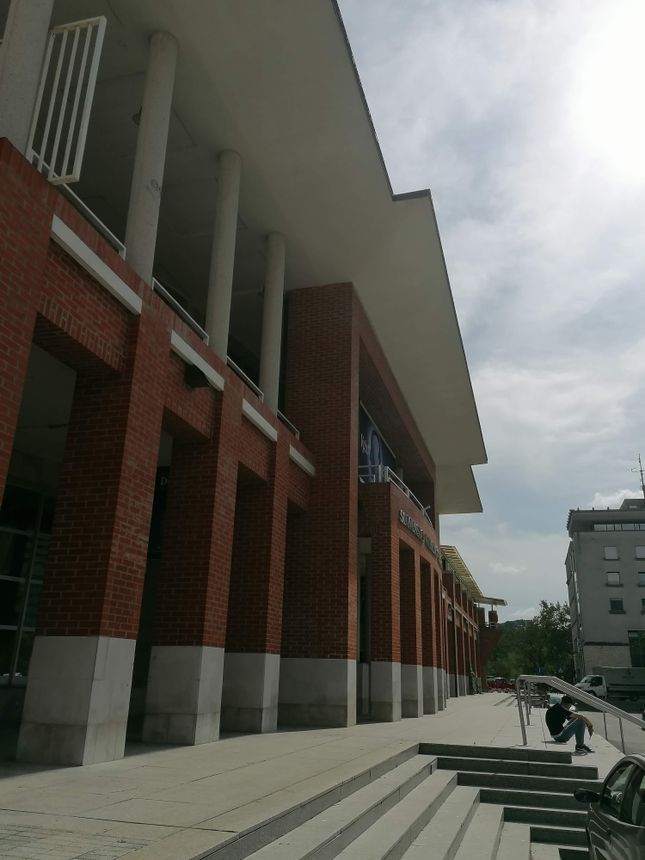
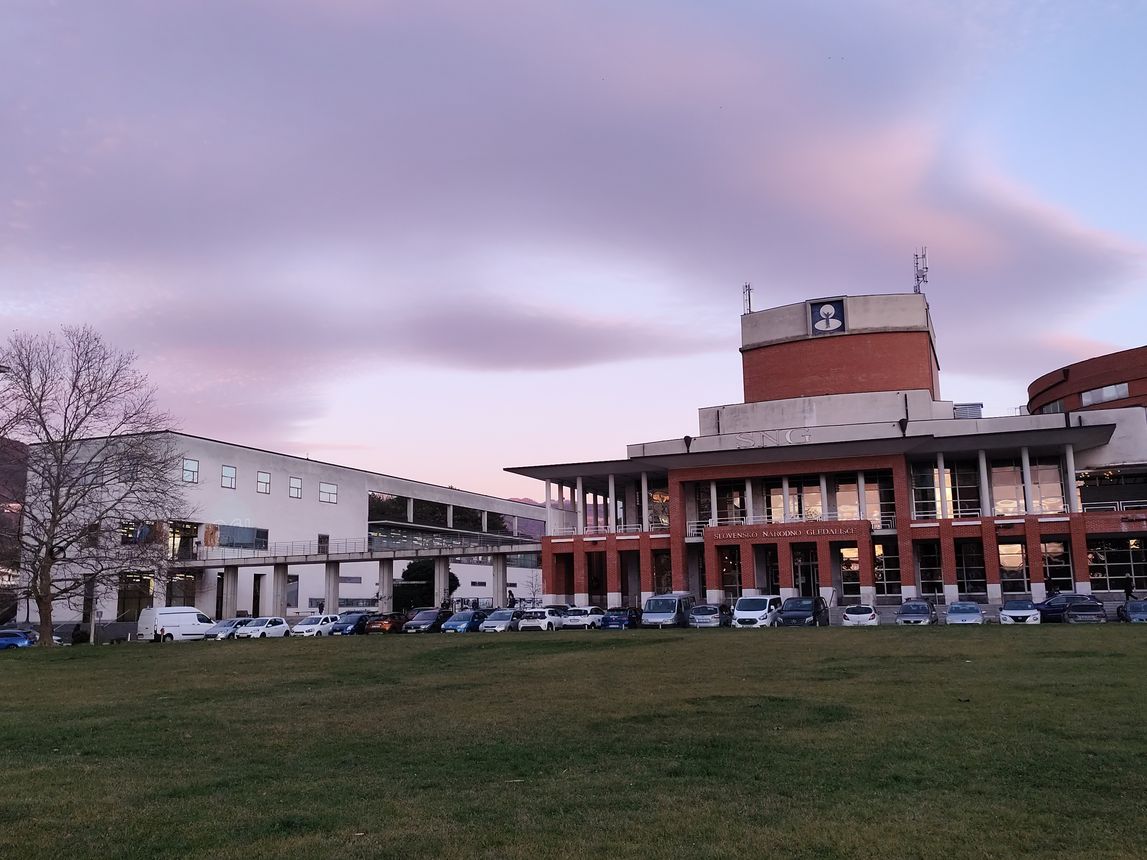
The image of the Nova Gorica Theatre has been shaped over time by numerous individuals. Among the most prominent are those who held managerial or artistic leadership positions, where the institution has seen many changes throughout its history.
The path for what was then still a semi-professional theatre was laid by the cultural worker Rudi Hönn, who came to Nova Gorica after the closure of the Theatre for the Slovene Littoral (GSP), based in Postojna. Despite inadequate conditions—the town lacked a suitable performance hall—he took the initiative in 1955, with determination and enthusiasm, to propose the establishment of a theatre to the municipal authorities. As its first director, he oversaw the adaptation of theatre premises created through the renovation of a hall in Solkan. At its opening, at the beginning of the 1956/57 season, the first formally trained actor of the ensemble, Andrej Jelačin, appeared in the title role in Linhart’s Matiček. Jelačin would later also become director of the theatre, following the departure of the Slavist and professor Darij Bratoš, who had succeeded Hönn after two seasons and led the institution until 1963 with similar enthusiasm and perseverance. According to Jelačin’s memoirs, Bratoš “advocated saving,” while he himself “saw the path in expansion,” and therefore engaged, among other things, in securing sponsorship funding.
The second formally trained actor to join the professional core of the ensemble was Sergej Ferrari, who, together with Jelačin, was also active in organising performances—often requiring considerable ingenuity, for example “begging” for transport arrangements, as the theatre at that time performed most of its productions on tour across the Littoral region.
The creators persevered despite extremely poor conditions; the theatre’s prospects did not look promising. In 1968, after Jelačin’s departure, the actor Stane Leban temporarily assumed leadership as acting director; having begun in amateur theatre, he later became one of the more recognisable figures of the Nova Gorica theatre. The same applies to Ivo Barišič, who began his acting career as a self-taught performer during the period of professionalisation.
A turning point came with the arrival of Jože Babič, a distinguished artist, renowned theatre and film director, and an experienced cultural leader, who set a condition to the authorities that better financial support be ensured. He led the theatre toward professionalisation. Babič combined the roles of director and artistic director; after his departure in 1974, the two functions were separated, with Janez Povše becoming artistic director.
Even as a semi-professional theatre, the institution strengthened its acting ensemble—for example, in 1968 the later long-standing ensemble member Teja Glažar appeared for the first time—and the professional Primorsko Dramsko Theatre continued in this direction. Personnel expansion became a defining feature under Sergej Pelhan, who assumed the position of director in 1975 and led the theatre until 1986. Artistic leadership was carried out by figures from various theatre professions (in addition to Povše: Dušan Mlakar, Emil Aberšek, Branko Kraljević, Marjan Bevk, Srečko Fišer, Bine Matoh, Mario Uršič, Alja Predan), and in two shorter periods it was organised as a collective leadership. Later as well, this leadership position—sometimes combined with the directorship—was held by various individuals. Pelhan was succeeded by the sociologist Tomica Dumančić; during his tenure, the position of artistic director was held by dramaturg Goran Schmidt, actor Janez Starina—twice as acting director and once jointly with dramaturg Srečko Fišer—and directors Zvone Šedlbauer, Marko Sosič, and Katja Pegan, who continued in the role when Janez Starina took over the directorship in 1994 for a three-year period and again at the beginning of Pelhan’s second term.
Pelhan, who led the theatre until his retirement in 2007, was among those most responsible for the construction of the new theatre building. The political authorities were not supportive of the project, so the construction pit initially even had to be concealed. After his first period as theatre director, Pelhan held other leadership positions and witnessed the opening of the new theatre building as Minister of Culture. Soon after returning to the position of director in 1997, he began collaborating with Primož Bebler, whose ambitious artistic vision significantly contributed to the theatre’s further development.
Pelhan’s departure was followed by a rather turbulent period. Mojmir Konič was appointed director, although he lacked a background in theatre. During his two-year tenure, significant disagreements and dissatisfaction emerged; he also parted ways with Bebler. After complications in appointing a new artistic leadership, Konič resigned. In 2009, leadership of the theatre was taken over by Jožko Čuk, an experienced manager credited with the construction of the Small Stage. Artistic leadership was temporarily assumed by Srečko Fišer, followed by the appointment of Ira Ratej, dramaturg of the Ljubljana City Theatre, who was later succeeded before the end of her term by long-time dramaturg of the Nova Gorica theatre, Martina Mrhar. She remained artistic director when actress and director Neda Rusjan Bric took over the directorship in an acting capacity.
The frequency of leadership changes stabilised in 2016, when Maja Jerman Bratec, then head of the regional branch of the Slovenian Public Fund for Cultural Activities, was appointed director following a repeated call. At the end of her term, she was succeeded by Mirjam Drnovšček, who had previously collaborated with the Nova Gorica theatre as head of marketing and public relations and later gained experience as director of the Prešeren Theatre Kranj. Since 2016, the institution’s artistic director has been the versatile creator Marko Bratuš.
Despite the responsibilities carried by leadership, it is undoubtedly the actors who stand out most in theatre. In its early, semi-professional phase, the theatre’s growth was driven by a partly amateur ensemble that often performed in unheated halls, sometimes without daily allowances and occasionally even without dinner. At that time, ensemble members mainly came from the nearby Littoral region.
After professionalisation, the management sought to attract new acting talent, including through promises of housing and salary supplements. Younger actors were drawn by the opportunity to perform major roles. In the late 1970s and early 1980s, performers such as Nevenka Vrančič, Mira Lampe Vujičić, Jože Hrovat, and Bine Matoh joined the Nova Gorica theatre and remained loyal to it. Others joined for shorter or longer periods—for example Matjaž Turk in the 1970s, Janez Škof as a scholarship student in the 1980s, Peter Musevski in the 1990s, as well as Lara Jankovič, and at the beginning of the new millennium Primož Pirnat…
As the theatre approached its fiftieth anniversary, a noticeable generational shift occurred, particularly through the rejuvenation of the acting ensemble.
Yet theatre would not endure, grow, and develop without all those who ensure the smooth running of stage production and remain committed to their work environment, even though it demands sacrifice and flexibility (after all, the working day in theatre does not end in mid-afternoon). Many of these collaborators have left a lasting mark, even becoming legendary—such as the stage manager Staško Marinič.
Avtor: Ana Perne