


Theatre in Nova Gorica
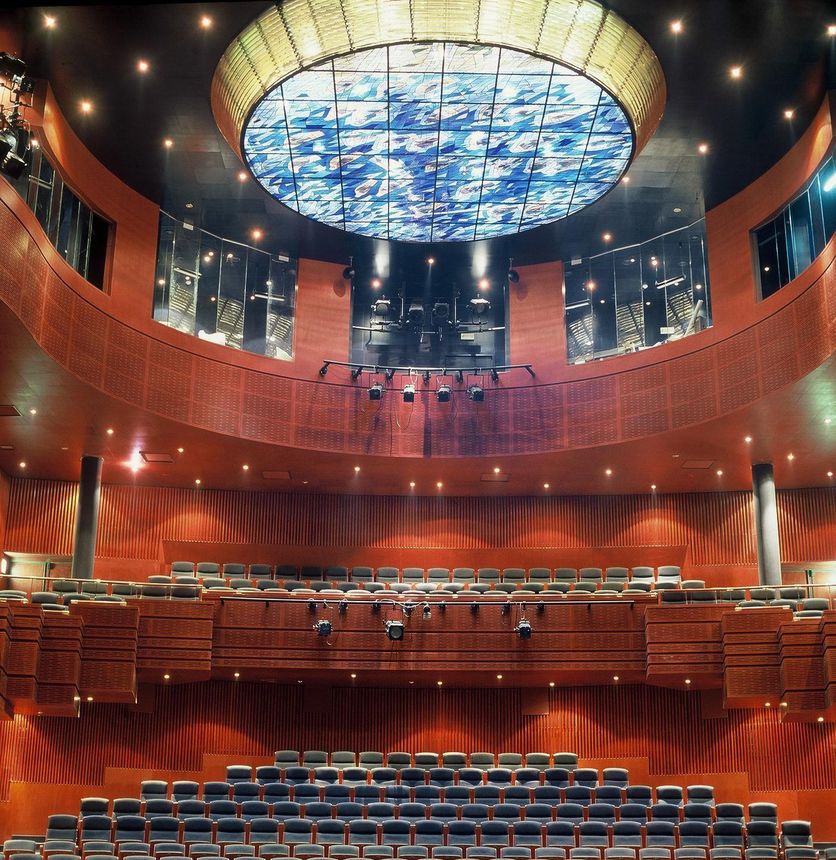
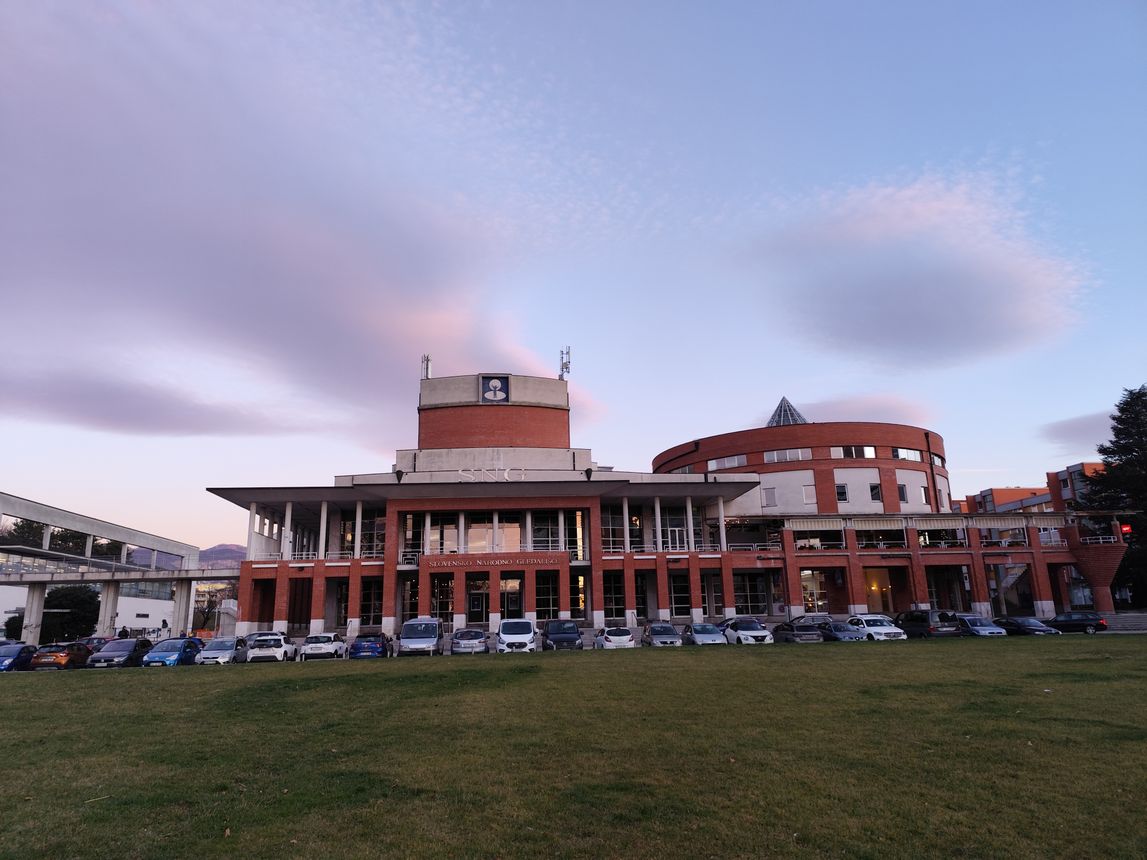
The theatre is one of the central cultural institutions in Nova Gorica; the placement of the building in which it operates is also central within the urban framework – just as those who significantly contributed to its development had long desired. Yet although the building itself was constructed only in the 1990s, and the professional theatre was established as late as 1969, theatrical activity in the wider Gorizia area dates back much earlier.
The reading-room movement had already been lively, but with the growth of the new town, the work of dedicated creators also evolved from amateur to semi-professional – and later professional – activity within the Primorsko Dramsko Theatre. It was not halted by any difficulties, such as the lack of suitable space they faced on Soška Street in Solkan, where the small hall would shake every time a larger vehicle passed by. Despite inadequate conditions, many fondly remember the charm of the house that for years provided a home for theatre.
Already in Solkan, major productions emerged that placed the Nova Gorica institution on the Slovenian theatre map. The construction of a new building in 1994 opened the door wide to ambitious artistic undertakings. The opening performance, a staging of Smole’s The Baptism at the Savica, made thoughtful use of the possibilities of the new stage and created several unforgettable images, such as the dense snowfall through which Radoš Bolčina, as Črtomir, made his way.
The theatre building significantly contributed to the institution’s further artistic development. Soon after its opening, several notable productions followed; historically indispensable is certainly Ionesco’s The Bald Soprano (1995), which offered audiences great comic pleasure through the precise delivery of banal phrases. It also amused the actors themselves, for instance Barišič, when after a guest performance in Buenos Aires someone asked about the oldest actress, unaware that they were speaking to Mrs Smith. However, the Nova Gorica theatre was not only successful in staging the theatre of the absurd; it also distinguished itself through productions of other dramatic works, in which both established talents and younger actors proved themselves – for example Bine Matoh with his multi-layered portrayal of the protagonist in Barker’s tragicomedy The Good Man’s Love (1995), and representatives of a younger generation such as Ana Facchini at the beginning of her career, with a profound interpretation of Hana’s anxiety in Grum’s expressionist drama The Event in the Town of Goga (2001).
These achievements, also recognised with awards, culminated in 2004 with the acquisition of national status; since then the institution has been known as the Slovene National Theatre Nova Gorica. The change of name occurred almost simultaneously with the expansion of theatrical connections across national borders: as both an echo of and an attempt to revitalise the once vibrant festival activity of the theatre – especially the notable Goriško srečanje malih odrov in the 1970s – that same year, marking Slovenia’s entry into the European Union, the festivals Theatre Without Borders and Theatres of Europe: Mirror of Displaced Peoples were held under the joint title Mej(ni) fest.
SNG Nova Gorica also develops in line with contemporary theatrical trends: authorial projects are included in the repertoire, and productions increasingly move away from traditional dramatic texts in a postdramatic spirit, adapting and rewriting them. An excellent example is the production 52 hertz (2022), created by a team of the youngest generation of artists, which used various spaces within and around the theatre building to create a distinctive theatrical experience, addressing themes of death, loneliness, and the disintegration of a community in the immediate aftermath of the COVID-19 pandemic.
At the same time, the theatre in Nova Gorica maintains certain defining characteristics, such as a tendency towards a “Primorska” (Littoral) identity in its repertoire, a tradition of staging performances outdoors – long present in a region with a Mediterranean climate – and, after years of effort, this has also been realised with the construction of an open-air stage behind the theatre.
Work with young people also continues uninterrupted: the amateur youth stage, today known as Mladi oder AMO, has been active since 1977 and represents a unique form of creative engagement of secondary school students within Slovenian theatre institutions. Several prominent theatre figures have emerged from AMO; one of its early members was the actor and singer-songwriter Iztok Mlakar.
Avtor: Ana Perne