


The beginnings of theatre activity in the Goriška region
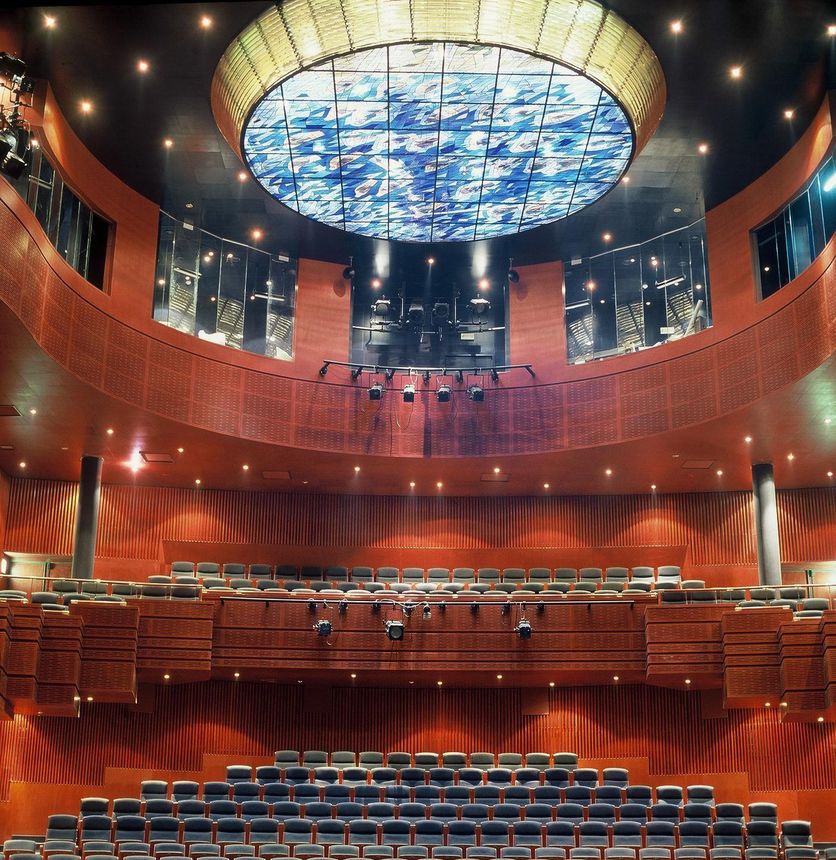
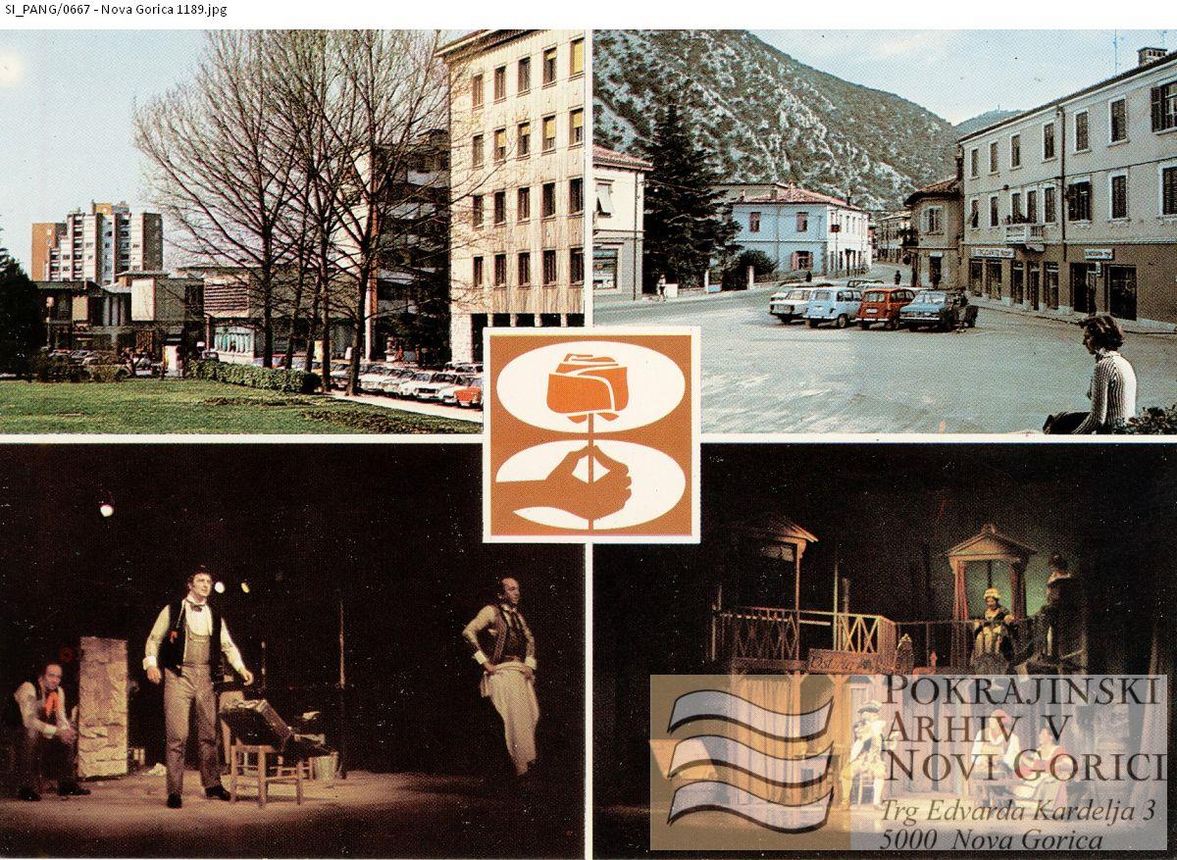
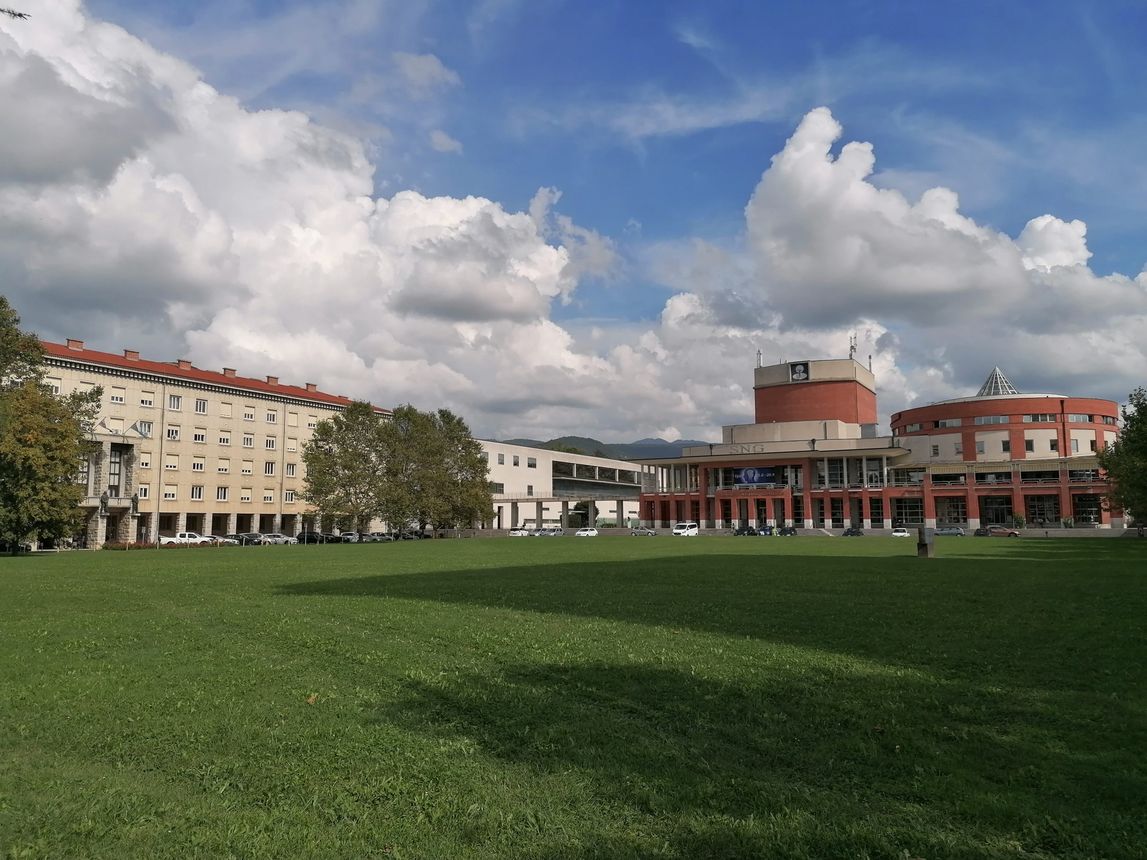
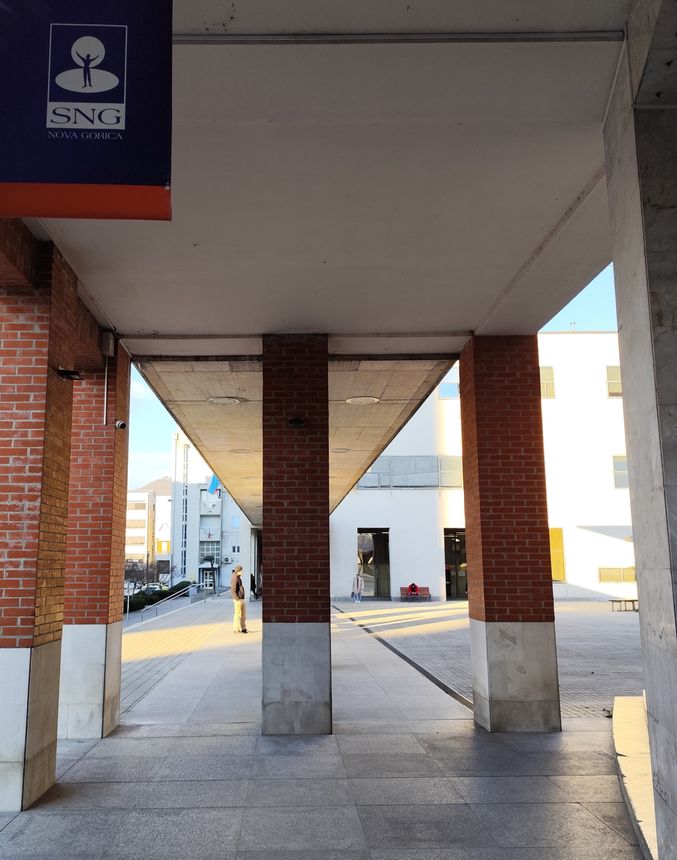
The revolutionary year 1848 was crucial for the development of theatre in the Slovene lands, as the awakening of nations also strengthened awareness of the importance of culture. That same year, the Slavic Reading Society was founded in Gorizia, with the aim of “elevating the Slavic population through the organic path of self-education and instruction in the Slavic language and literature.”
The absolutist counter-revolutionary backlash temporarily disrupted this awakening of national consciousness. With the rise of the reading room movement, efforts toward the emancipation of the Slovene language were revived. Theatre activity also gained momentum, as the programmes of reading societies — the so-called bésede — devoted a significant portion to dramatic production. The first reading society in the Gorizia region was established in Tolmin in 1862. That same year, the Slovene Reading Society in Gorizia was founded with the aim of becoming a “national hearth, from which, through natural and lawful means, the spiritual warmth of Slovene national awareness would spread across the hills and valleys along the Soča and Vipava rivers.”
In the following years, especially after 1867, numerous reading societies began to operate across the region. A publication from 1868 notes that “our people are making remarkable progress in culture, for they cannot get enough of choral singing, speeches and recitations; above all, however, they delight in theatrical performances.”
The Gorizia Reading Society initially operated in Stabil’s house on Travnik, while at the turn of the century the Slovene community in Gorizia acquired new premises in the Trgovski dom (Commercial Hall), built according to the plans of the architect Maks Fabiani and opened in 1904. The theatre hall was completed a year later. The association Narodna prosveta carefully developed theatrical activity through guest performances by established theatre artists of the time, while also nurturing a new generation of actors. After the First World War, cultural and economic life revived, but in 1926 fascists destroyed the premises of Slovene organisations and took over the building. The theatre hall was subsequently renamed, in line with the new name of the building, to the Littorio Hall.
Avtor: Ana Perne
