


Musics of the World Festival
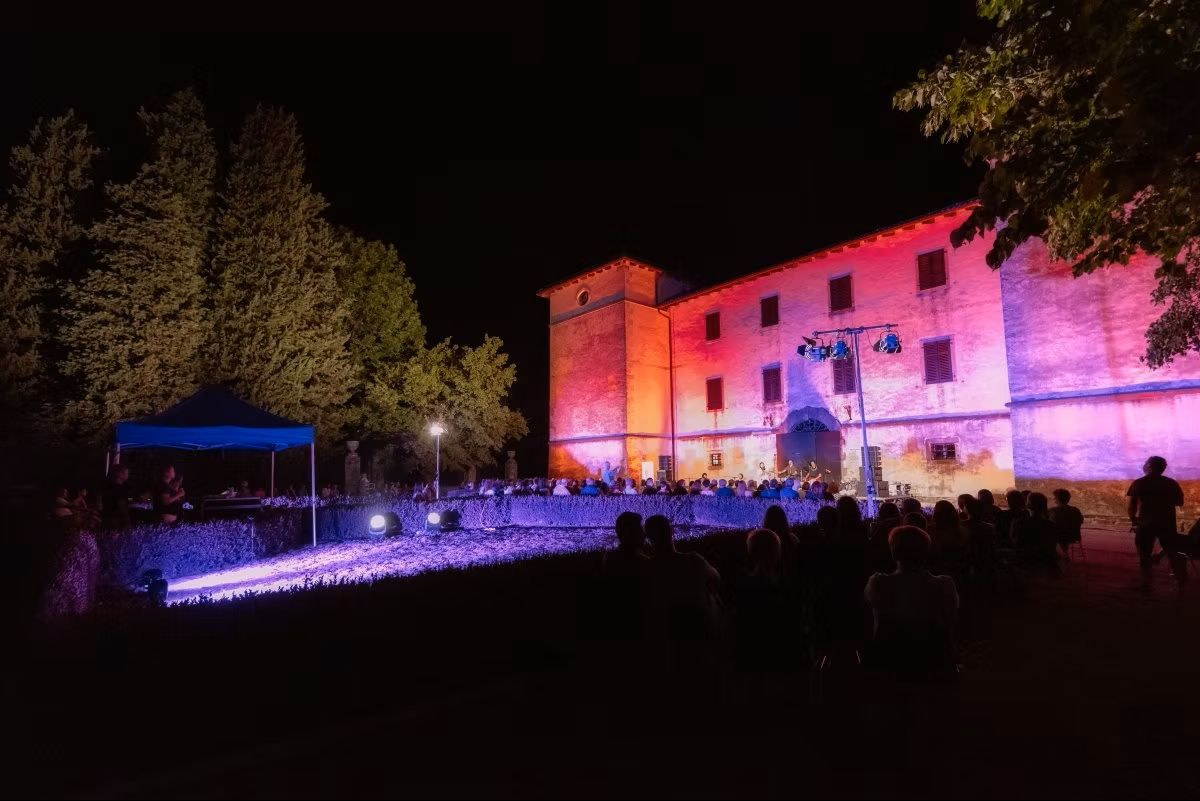
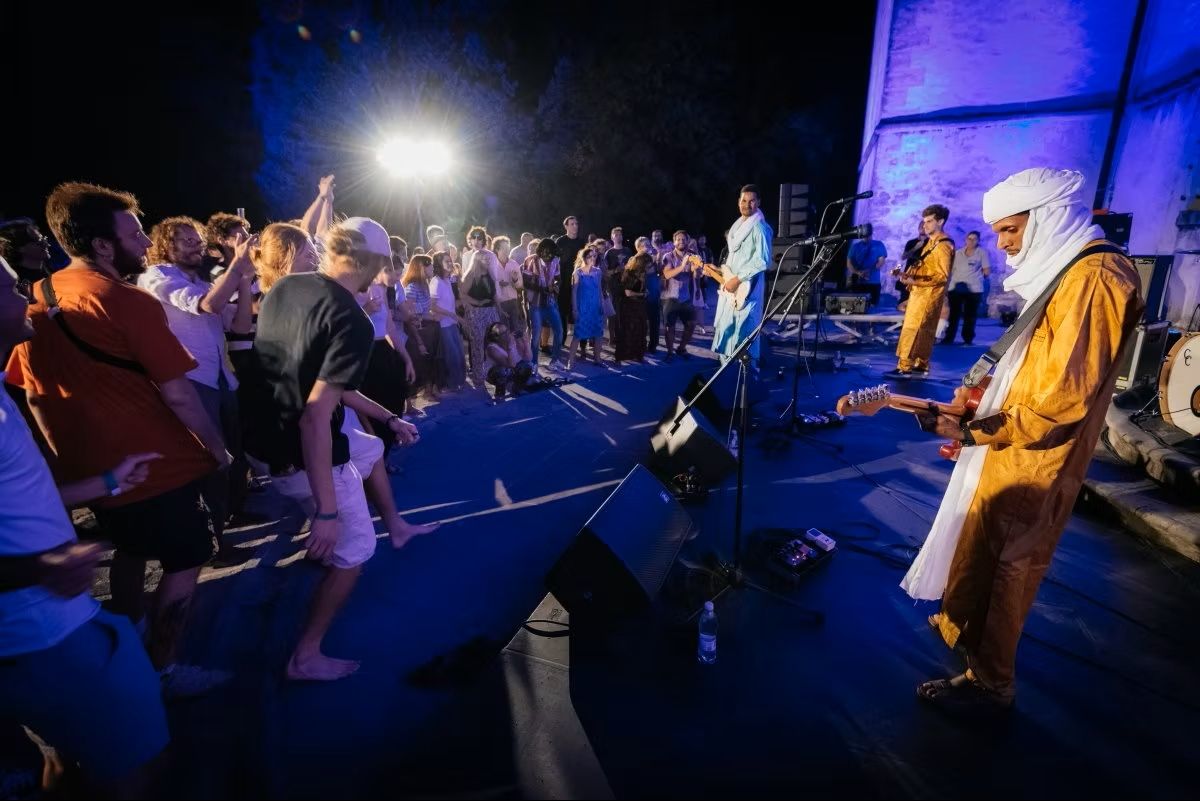
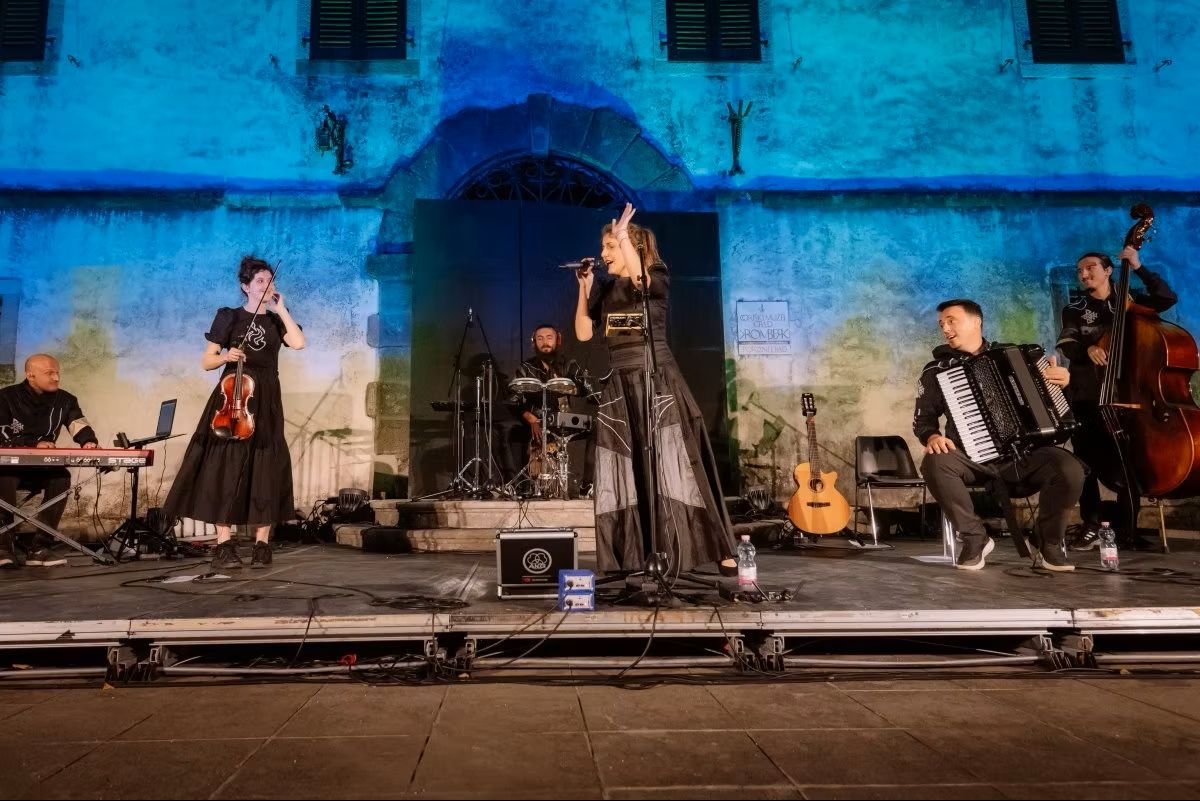
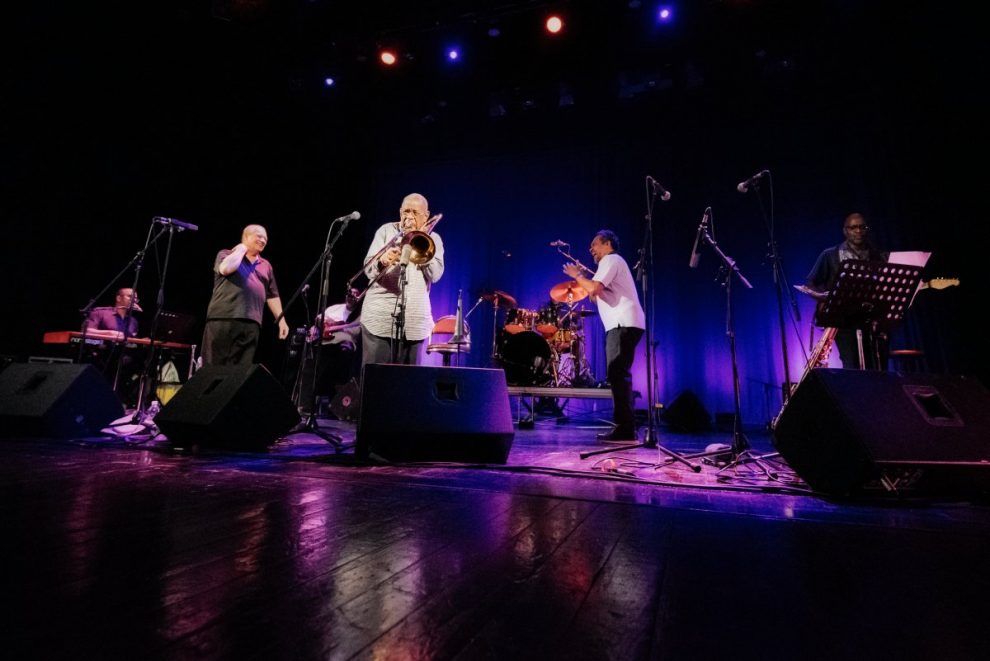
If Ljubljana has Druga godba, the Goriška region has Glasbe sveta (Music of the World), which in terms of the relevance of its programme and the presence of major international names in “world music” in no way lags behind the Ljubljana festival, running since 1984. Even a brief overview of recent programmes confirms this. In Nova Gorica and Gorizia, audiences have in recent years seen artists such as American jazz visionary saxophonist Kamasi Washington, Indian percussionist and composer Trilok Gurtu, Malian guitar virtuoso and singer Habib Koité, representatives of desert rock Mdou Moctar, one of the leading figures of the new American jazz wave, drummer Makaya McCraven, the Cuban group Grupo Compay Segundo of Buena Vista Social Club fame, Gambian kora virtuoso Sona Jobarteh, and the Mongolian ensemble Huun-Huur-Tu. A significant part of the programme each year is also dedicated to local musicians, such as Šukar, Tminski madrigalisti, Janez Dovč, Goran Krmac, Svetlana Makarovič, Bossa de Novo, Urša Ramoveš, Neca Falk, Robert Jukič, Katja Šulc, and many others.
According to Aleks Vičič, co-founder and programme director of the cross-border Gorizia festival Glasbe sveta, the festival originated somewhat by chance. Around 2010, the Gorizia Museum, together with three Italian museums, applied for funding through the European Interreg programme. However, the selection committee disagreed on the allocation of funds, and one of the highest-rated projects—encompassing the construction of a new museum building as well as a rock music festival in the amphitheatre of Kromberk Castle—was ultimately rejected. The idea nevertheless persisted until 2012, when funding for the first edition of Glasbe sveta was secured in the municipal budget, although it had little in common with the originally envisioned rock festival. One of the key guiding principles of the festival, which in the following years established itself within the broader Slovenian and Friuli Venezia Giulia cultural space, aligns—according to Vičič—with the mission of the museum itself: the preservation and dissemination of intangible cultural heritage. For several years, Vičič has been supported in shaping the programme by Tadej Stolič, president of KUD Morgan. Since 2019, at the initiative of KUD Morgan, which sought to expand the festival beyond Slovenia’s borders, the Italian association Controtempo from Cormons has also been involved in production, organising half of the programme on the Italian side. The Slovenian part of the programme takes place in the courtyard, atrium, or hall of Kromberk Castle, while the Italian part is held at various venues (Regional Auditorium of Gorizia, Verdi Theatre, Kulturni dom in Gorizia, Attems Palace, Villa De Nordis, etc.). Each year, the programme features a wide range of traditional and retro-futuristic musical practices from around the world, as well as various forms of jazz, ethno, pop, and classical music. In addition to presenting high-quality global music, the festival also aims to bring together audiences from both sides of the border and to foster cross-border exchange of critical perspectives.
As musician Boštjan Gombač wrote in the publication Festival Glasbe sveta (Gorizia Museum, 2021): “The Gorizia cross-border international festival, featuring music from all corners of the world with a special emphasis on Slovenian creators, actively erases geographical borders and opens those in our minds.”
Avtor: Jaša Bužinel